

How Thermal Management of Batteries Impacts Battery Safety and Lifespan
—
Batteries are the driving force behind various technologies in our electrified world, powering everything from portable gadgets to electric vehicles (EVs) and renewable energy storage. However, an often overlooked aspect of battery performance is the thermal management system. Proper heat control is essential for ensuring battery longevity, performance, and safety. Without effective thermal management, even the most advanced battery technologies risk overheating, degradation, or catastrophic failure. This article will explore the significance of battery heat management, its functioning, key attributes, application sectors, and how we can provide industry-leading solutions.
### The Importance of Thermal Management of Batteries
**What Is Battery Thermal Management?**
Battery thermal management refers to the methods and systems used to maintain a battery’s temperature within an optimal range during operation and charging. Batteries are sensitive to temperature fluctuations; extreme cold can impair their performance, while excessive heat poses the risk of thermal runaway, which can lead to fires or explosions.
**Why Traditional Battery Systems Fall Short**
Many traditional battery designs rely on passive cooling methods, which are insufficient for high-performance or large-scale applications. The lack of a robust thermal management system can lead to uneven heat distribution and internal cell stress, accelerating degradation and safety risks.
### Structure and Working Principle of Battery Thermal Management Systems
A modern battery thermal management system typically includes the following components:
**A. Key Structural Components**
– **Temperature sensors:** Monitor real-time battery temperature at multiple locations.
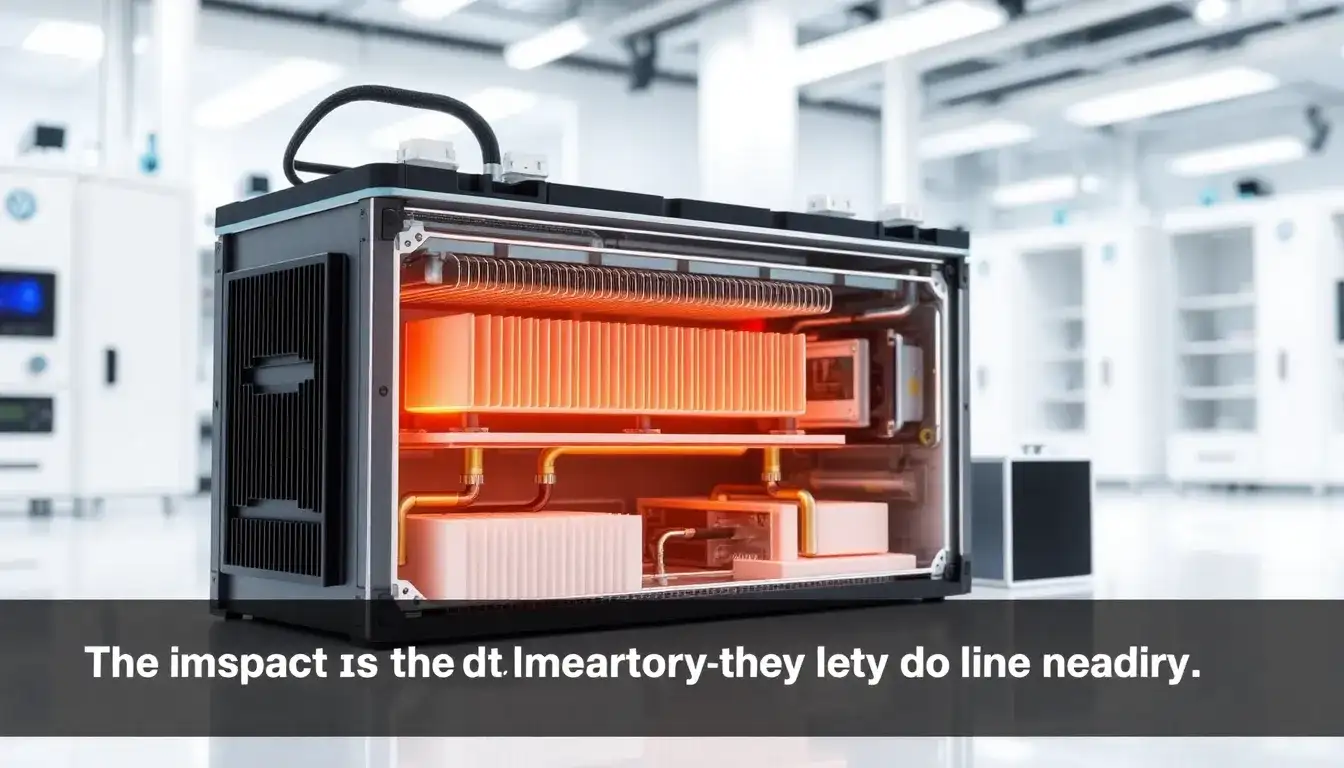
– **Cooling/heating devices:** These may include liquid cooling plates, air vents, Peltier elements, or heat pipes.
– **Controllers:** Electronic units that process sensor data and manage thermal responses.
– **Monitoring modules:** Integrated within the battery management system (BMS) to coordinate with other battery functions.
**B. Working Mechanism**
Sensors collect thermal data throughout the battery pack. The controller compares this data against predefined thresholds. If temperatures deviate from the optimal range, the system activates the necessary cooling or heating components, ensuring temperature stability across all cells. This reduces thermal stress and extends battery life.
### Key Features of Thermal Management of Batteries
Modern thermal management systems are sophisticated and intelligent. Key features include:
1. **High-Precision Monitoring**
Advanced sensors track even minor temperature variations, ensuring batteries remain within safe heat limits and allowing for real-time responses.
2. **Intelligent Control Algorithms**
Some systems utilize machine learning to predict temperature trends and adjust heating and cooling accordingly. This adaptability is particularly beneficial in dynamic environments like EVs or off-grid storage.
3. **Enhanced Safety Mechanisms**
Active thermal control significantly reduces the risk of thermal runaway and ensures consistent cell performance and aging, leading to longer battery life and lower maintenance costs.
### Industry Applications of Thermal Management of Batteries
**A. Electric Vehicles (EVs)**
Batteries in EVs charge and discharge rapidly, generating considerable heat. Effective thermal management prevents overheating, enhances driving range, and supports fast charging without compromising safety.
**B. Energy Storage Systems**
Stable thermal conditions are vital for both grid-scale and residential energy storage to maximize charge retention and maintain long-term performance. Thermal management ensures reliability in these applications.
**C. Consumer Electronics**
Compact, passive, or hybrid thermal solutions help smaller systems, such as drones or smartphones, avoid overheating during high-performance tasks like flight control or video processing.
### Future Trends in Thermal Management of Batteries
The thermal management of batteries is rapidly evolving, driven by increasing energy densities and power demands. Key trends include:
**A. Cost-Efficient Materials**
The development of affordable yet highly effective cooling materials, such as composite phase change materials (PCMs), will reduce overall system costs without sacrificing functionality.
**B. AI-Driven Predictive Control**
As machine learning algorithms advance, thermal management systems will become more intelligent, predicting temperature spikes and proactively adjusting cooling systems.
**C. Integration with Smart BMS**
Advanced battery management systems (BMS) increasingly integrate with thermal systems to optimize both electrical and thermal performance. Integration through protocols like CAN, UART, and RS485 allows for seamless communication across the system.
### How Ayaa Technology Contributes to the Future of Battery Thermal Management
Shenzhen Ayaa Technology Co., Ltd. is a recognized leader in battery management innovations, incorporating intelligent thermal solutions into all its products.
**Highlighted Products Supporting Thermal Management**
– **AY-L24S300A-ES001 (7S–24S):** Features extensive protocol compatibility (CAN, UART) and advanced heat control, ideal for energy storage and electric mobility.
– **AY-L10S200A-ES002 (4S–10S):** Designed for portable and mid-sized battery packs, crafted from industrial-grade PCB materials with multi-protocol connectivity.
– **AY-LS10S200A-H200 (6S–10S):** Offers superior thermal monitoring for light EVs, medical equipment, and drones, with an effective operating temperature range of -40°C to +85°C.
Through innovative design and stringent quality control, Ayaa Technology ensures that every product maximizes battery performance and thermal safety.
### Choosing the Right Thermal Management Solution
When selecting a battery thermal management system, consider the following factors:
– Battery chemistry (Li-ion, LFP, NMC, etc.)
– Size and configuration of your battery pack
– Ambient conditions of your application (hot, cold, humid)
– Communication and integration needs with other control systems
Engaging with an experienced supplier like Ayaa Technology ensures tailored, scalable solutions that meet your project’s specific requirements.
### FAQ
**Q: What is battery thermal management?**
A: A battery thermal management system regulates temperature to ensure safe and effective battery operation. Low temperatures can reduce capacity and efficiency, while high temperatures can accelerate aging and pose safety risks.
**Q: How do you prevent thermal runaway in batteries?**
A: Maintaining safe storage temperatures is key. Most lithium-ion batteries should be stored between 40 and 70 degrees Fahrenheit (5 and 20 degrees Celsius).
**Q: How to regulate battery temperature?**
A: Active cooling techniques manage and dissipate heat through external equipment, such as compressors, fans, or pumps, that circulate liquid or air within the battery system. Sensors also track temperatures and adjust cooling accordingly.
### Conclusion
Effective thermal management of batteries is essential for any modern battery-powered system. A well-designed thermal management system enhances battery safety, extends lifespan, and improves overall performance. As energy storage and electric transportation technologies continue to advance, the importance of battery thermal management will only grow. Shenzhen Ayaa Technology Co., Ltd. is well-equipped to support various industries with top-notch BMS and thermal solutions, backed by its extensive expertise and innovative battery solutions.
Original article by NenPower, If reposted, please credit the source: https://nenpower.com/blog/the-impact-of-thermal-management-on-battery-safety-and-longevity/

