

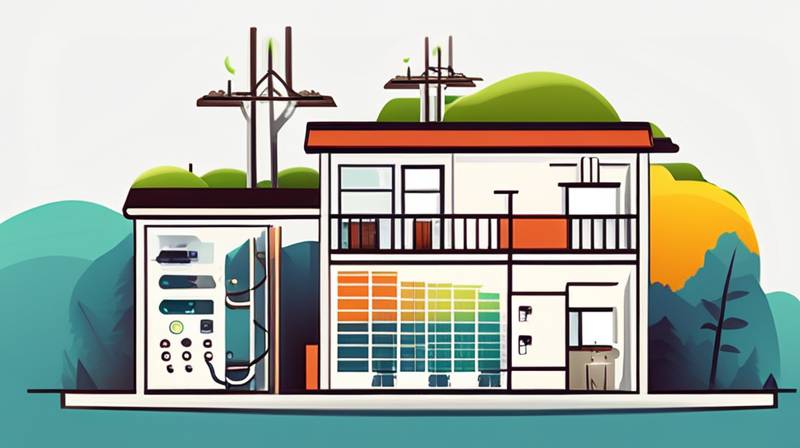
The integration of residential energy storage systems into Nigeria’s power grid has transformative potential that warrants a detailed examination. 1. Enhances energy security and resilience, 2. Reduces dependence on diesel generators, 3. Mitigates peak demand pressures, 4. Encourages renewable energy adoption. The proliferation of solar energy, combined with battery storage, allows homeowners to generate and store their own electricity. This contributes significantly to improving the reliability of the grid, especially in regions plagued by frequent outages. By enabling households to manage their energy use more effectively, residential energy storage could play a pivotal role in addressing the country’s chronic power supply challenges.
1. ENHANCED ENERGY SECURITY AND RESILIENCE
As nations worldwide grapple with increasing energy demands and climate variability, Nigeria stands out as a country where energy security is paramount. The intermittent electricity supply has led to a reliance on alternative sources, primarily fossil fuels. Residential energy storage solutions—particularly battery systems paired with solar panels—can enhance local energy independence. These installations empower homeowners to generate and store their energy, enabling them to use it during grid failures or unplanned outages, thereby increasing resilience.
Energy storage systems serve as a buffer against fluctuations in energy supply and demand. For instance, during the day when solar energy generation peaks, homes can store excess production for evening use. This not only reduces stress on the national grid during peak hours but also stabilizes the micro-grid systems that often form in urban areas.
Moreover, the integration of residential storage dramatically lowers the vulnerability of energy consumers. Given that Nigeria experiences bouts of instability often correlated with geopolitical issues, having a decentralized energy system allows neighborhoods to remain self-sufficient. As such, the nation can cultivate a community of energy resilience capable of withstanding both man-made and natural disruptions.
The advancements in battery technology further amplify these benefits. Innovations in lithium-ion batteries and the drop in their prices over the past decade make energy storage more accessible and financially viable for Nigerians. Consequently, this signifies a turning point in how electricity is consumed and perceived, yielding a self-sufficient energy culture in homes.
2. REDUCING DEPENDENCE ON DIESEL GENERATORS
The reliance on diesel generators in Nigeria has been a double-edged sword; while they provide immediacy in power supply, they also contribute to pollution and high operational costs. Introducing residential energy storage serves as a viable alternative that reduces reliance on these fossil-fuel-derived power sources. By transitioning to renewable energy coupled with storage, homeowners can significantly decrease their electricity costs as well as their carbon footprint.
A significant motivator for many families has been the high operational costs associated with diesel generators, which often entail expensive fuel and maintenance. In contrast, solar energy systems offer a more sustainable and economical solution. When combined with energy storage, these systems allow households to harness sunlight during the day and utilize stored energy when needed. Over time, this translates to substantial savings, particularly in a landscape where electricity tariffs are on the rise.
In areas prone to fuel supply disruptions, residential energy storage can mitigate the effects of such challenges. Families maintain continuous access to electricity without being tethered to fuel availability or fluctuating prices. This independence pivots the narrative from being merely consumers of energy to becoming active participants in the energy revolution.
Furthermore, the environmental implications of reducing diesel reliance cannot be overstated. Transitioning to renewable energy, particularly in urban areas, reduces air pollution levels, thereby enhancing public health. Cleaner energy translates to fewer respiratory issues and aligns with global sustainability goals.
3. MITIGATING PEAK DEMAND PRESSURES
Nigeria’s electricity grid is under continuous strain from peak demand, which typically outpaces supply. This challenge results in frequent load shedding and blackouts, further exacerbating the feeling of instability among the populace. Residential energy storage can play a critical role in load management and demand response strategies primarily by alleviating peak demands on the grid.
During peak hours, when energy demand surges, residences equipped with storage systems can discharge stored energy back to the grid, effectively acting as a mini power plant. This not only provides immediate relief for the grid but also incentivizes homeowners to control their energy usage patterns. For example, by discharging energy to the grid or using stored power instead of drawing energy during peak hours, households can also lower their electricity bills.
The efficacy of this system lies in its decentralized nature. The adoption of residential energy storage fosters a participatory approach in energy management, where several households collectively contribute to grid stability. This creates a multi-faceted solution that not only eases infrastructure challenges but also promotes collective responsibility among energy consumers.
Moreover, as the transition toward smart grid technologies continues, residential energy management systems can further enhance this dynamic. Consumers can gain insights into their energy consumption, adjust their usage in real time, and respond to pricing fluctuations. This shift not only optimizes personal consumption but also strengthens the resilience of the power grid.
4. ENCOURAGING RENEWABLE ENERGY ADOPTION
In a nation where renewable energy adoption has been sluggish despite abundant sunlight and wind resources, the introduction of residential energy storage can catalyze a much-needed transition. By complimenting local renewable installations, energy storage solutions create a pathway for a sustainable future. Residents who previously hesitated to adopt solar technologies due to intermittent supply concerns can increasingly feel empowered by the benefits of energy storage.
The deployment of residential energy storage helps to address one of the main concerns associated with renewable energy: its variability. Solar and wind energies produce electricity only under specific conditions, making them less reliable on their own. However, integrating energy storage ensures that excess energy can be captured during peak production times and utilized later. This effort positions renewables not just as a supplementary source but as a primary one—making them a viable alternative for urban and rural populations alike.
By bolstering the viability of solar installations through the addition of battery storage, Nigeria can also encourage greater investments in renewable infrastructure. The potential for energy independence and decreased reliance on imported fuel creates a compelling narrative for both consumers and stakeholders. This in turn can accelerate job creation within renewable energy sectors, contributing to a robust green economy that benefits both the environment and the populace.
Furthermore, government policies promoting renewables combined with energy storage could pave the way for financial incentives. Bridging the gap between initial investment and long-term savings makes residential energy storage a financially appealing proposition for many households.
FREQUENTLY ASKED QUESTIONS
WHAT IS RESIDENTIAL ENERGY STORAGE?
Residential energy storage refers to systems that allow homeowners to capture, store, and utilize energy generated predominantly from renewable sources, such as solar panels. These systems typically use batteries to store excessive energy produced during peak generation times for later use, particularly when solar production is low, such as during the night. Homeowners benefit from improved energy independence, reduced utility bills, and resilience against outages. The technologies behind these systems continue to evolve, further decreasing costs and enhancing efficiency, making them an increasingly attractive option for many households.
HOW DOES RESIDENTIAL ENERGY STORAGE IMPACT THE POWER GRID?
The integration of residential energy storage has significant ramifications for the power grid. By allowing homes to generate and store their own electricity, these systems help to alleviate pressure on the grid, particularly during peak demand periods. In essence, residential storage transforms consumers from passive clients into dynamic energy contributors. This helps balance supply and demand effectively, reduces the need for extensive grid infrastructure upgrades, and promotes cleaner energy sources. Moreover, collective participation enhances the stability and reliability of the entire energy system.
ARE THERE ANY CHALLENGES TO IMPLEMENTING RESIDENTIAL ENERGY STORAGE IN NIGERIA?
Despite the advantages of residential energy storage systems, several obstacles hinder their widespread adoption in Nigeria. These challenges include financial barriers such as the high initial capital costs associated with battery installations and solar panel systems. Additionally, there is often a lack of regulatory support or policies that incentivize the adoption of such technologies. Moreover, varying levels of public awareness regarding the benefits and functionalities of energy storage systems can limit market growth. Overcoming these challenges requires coordinated efforts from government entities, private companies, and consumers to promote education, subsidies, and financing options that lower barriers.
Among the most significant advancements in the context of Nigeria’s energy landscape is the realization that residential energy storage can fundamentally reshape the nation’s approach to electricity consumption and distribution. Through various facets—such as enhanced energy security, reduced reliance on costly diesel generators, mitigation of peak demand pressures, and driving the adoption of renewable resources—residential energy storage offers a comprehensive solution to longstanding energy challenges. This paradigm shift marks a pivotal moment for Nigeria as it seeks to evolve beyond historical energy dependencies and forge a path toward a resilient, self-sustaining, and environmentally friendly future. Households no longer need to remain passive players within an outdated energy paradigm governed by limited options. Instead, they can proactively engage with a contemporary energy ecosystem, characterized by independence and sustainability. **Residential energy storage not only symbolizes technological advancement; it embodies hope for many Nigerians seeking reliable electricity and a cleaner environment for future generations. As awareness spreads and access improves, the ability for the average household to contribute to the energy conversation highlights an exciting turn in Nigeria’s journey towards a more robust and resilient infrastructure. The participation of residents in energy generation and management serves as a remarkable example of community-driven solutions capable of transforming national energy narratives. The possibilities are vast and promising, paving the way for a new energy dawn in Nigeria.
Original article by NenPower, If reposted, please credit the source: https://nenpower.com/blog/the-impact-of-residential-energy-storage-on-nigerias-power-grid/

