

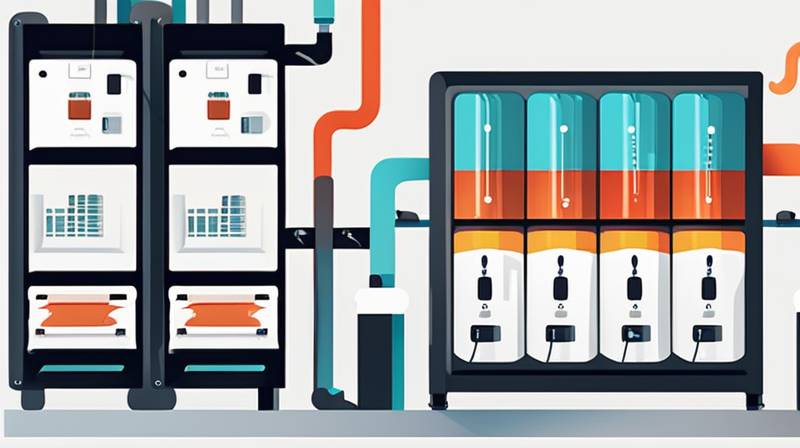
The transformation of energy storage technologies is redefining industrial energy efficiency programs across the globe. 1. Enhanced load management, 2. Cost reduction through demand response, 3. Increased reliance on renewable sources, 4. Improved reliability and resilience of energy supply are key aspects demonstrating how energy storage contributes significantly to optimizing energy use and fostering sustainable practices. A notable illustration of this impact can be seen in how industries integrate energy storage solutions into their operations, leading to more effective energy management strategies.
1. ENHANCED LOAD MANAGEMENT
Effective load management is a pivotal facet in the pursuit of industrial energy efficiency. Through the utilization of advanced energy storage solutions, companies can balance energy supply and demand efficiently. This capability allows industries to store excess power generated during off-peak times and use it during peak demand periods, thereby reducing stress on the grid and ensuring stable operations.
Energy storage technologies like lithium-ion batteries and pumped hydro storage enable industries to respond dynamically to fluctuations in energy demand. By deploying these systems, organizations can curtail energy expenditures, mitigate peak demand charges, and capitalize on time-of-use pricing strategies. Furthermore, this proactive approach to load management not only enhances operational efficiency, but it also aligns with grid stabilization efforts, resulting in considerable cost savings for industrial consumers.
The integration of energy storage into load management strategies has also opened opportunities for real-time energy monitoring and analytics. Advanced monitoring systems can analyze energy consumption trends, helping businesses optimize their energy usage patterns and identify inefficiencies. This data-driven approach empowers organizations to make informed decisions concerning their energy strategies, ultimately leading to improved energy efficiency outcomes.
2. COST REDUCTION THROUGH DEMAND RESPONSE
Demand response (DR) programs are instrumental in fostering energy efficiency within industrial contexts. By leveraging energy storage systems, industries can participate more actively in DR initiatives, wherein they adjust their power consumption in response to grid signals. This active engagement allows facilities to benefit from financial incentives provided by utility companies, thus resulting in substantial cost savings.
Storage solutions act as a buffer, enabling businesses to respond swiftly to energy price spikes or encourage load shedding during peak periods. For instance, when electricity prices surge, industries can deploy stored energy instead of drawing from the grid, which protects them from elevated rates. Such flexibility not only enhances the economic viability of industrial operations, but it also supports the overall health of the energy grid.
Moreover, as corporations increasingly embrace sustainability goals, the alignment of demand response strategies with energy storage initiatives becomes paramount. By reducing peak demand through energy stored during off-peak hours, industries contribute to lower emissions and improved energy management. This dual advantage cultivates a climate of corporate responsibility while simultaneously achieving measurable financial benefits.
3. INCREASED RELIANCE ON RENEWABLE SOURCES
The integration of energy storage systems is crucial for advancing the use of renewable energy within industrial sectors. The intermittent nature of renewable sources such as solar and wind presents challenges in ensuring a reliable energy supply. Energy storage acts as a stabilizing force, storing excess energy generated during high production phases and releasing it when generation falls short.
Industries equipped with effective energy storage solutions can harness renewables more efficiently, reducing their reliance on fossil fuels. As energy storage technology evolves, it facilitates the incorporation of a more diverse and sustainable energy mix. Industries that embrace this approach demonstrate a commitment to environmental stewardship while enjoying reduced operational costs associated with traditional energy generation.
Additionally, energy storage contributes to regulatory compliance regarding carbon emissions. By converting to a renewable-heavy energy portfolio supported by storage systems, industries can mitigate their carbon footprint. This strategic transition not only complies with regulatory frameworks but also enhances corporate reputation and market competitiveness.
4. IMPROVED RELIABILITY AND RESILIENCE OF ENERGY SUPPLY
Resilience in energy supply is critical for industrial operations, particularly in regions prone to grid instability or natural disasters. Energy storage technologies bolster energy reliability by providing backup power during outages and ensuring seamless operations. Industries can harness stored energy to maintain vital processes and prevent costly downtime.
In addition to providing emergency power, energy storage systems can improve voltage regulation and help stabilize the grid. This enhancement leads to better control over energy quality, which is paramount for industries that rely on sensitive machinery. By promoting energy quality and reliability, storage technologies equip industries to maintain productivity and operational efficiency.
Moreover, as climate change poses significant threats to energy infrastructure, the resilience afforded by energy storage becomes even more critical. Businesses that invest in robust storage solutions are better equipped to adapt to unpredictable energy scenarios, ensuring continuity of operation. This proactive stance not only safeguards business interests but also contributes to broader climate adaptation efforts.
COMMON INQUIRIES
WHAT ARE THE DIFFERENT TYPES OF ENERGY STORAGE TECHNOLOGIES USED IN INDUSTRIES?
Various energy storage technologies have found applications within industrial settings, predominantly including lithium-ion batteries, lead-acid batteries, flow batteries, pumped hydro storage, and compressed air energy storage. Each technology has unique characteristics suited for specific industrial requirements. Lithium-ion batteries are favored for their high energy density and relatively low maintenance needs, making them suitable for smaller applications. On the other hand, pumped hydro storage and compressed air solutions are typically deployed for larger-scale operations due to their capacity to store significant amounts of energy.
Overall, industries must evaluate their energy profiles, consumption patterns, and operational goals to strategically select the appropriate storage technology. This choice affects not only the efficiency but also the economic feasibility of integrating energy storage into industrial energy systems. Ultimately, the right technology should align with both immediate operational needs and long-term sustainability goals.
HOW DOES ENERGY STORAGE IMPACT ENERGY COSTS FOR INDUSTRIES?
The utilization of energy storage systems can yield substantial cost savings for industrial enterprises. By shifting energy consumption patterns and reducing peak demand, industries can take advantage of time-of-use pricing and lower overall energy bills. Moreover, energy storage enables participation in demand response programs, allowing industries to monetize their flexibility in energy consumption.
The strategic deployment of energy storage also mitigates the impact of rising electricity prices by reducing reliance on the grid during peak times. By using stored energy, companies avoid high costs associated with peak demand charges. This transition from passive consumers to active energy participants not only contributes to cost reductions but also fosters a culture of energy efficiency within industrial operations.
Long-term, as storage technology evolves and policymakers promote sustainable practices, the financial incentives associated with energy storage within industrial contexts are likely to grow. This shift can catalyze further investments in energy efficiency measures and renewable energy integration across various industries.
HOW CAN INDUSTRIES ENSURE THE SUCCESSFUL IMPLEMENTATION OF ENERGY STORAGE SYSTEMS?
Implementing energy storage systems necessitates a comprehensive approach involving careful planning and stakeholder engagement. Initially, industries should conduct thorough energy audits to assess their energy usage patterns and identify suitable storage solutions. Engaging with technology providers and consulting firms can provide valuable insights into the most effective storage options tailored to specific operational challenges.
Moreover, it is essential to develop a robust management framework for integrating energy storage into existing energy systems. This framework should include performance metrics, maintenance schedules, and contingency plans. Training personnel on energy management practices and storage system operations is vital for optimizing performance and ensuring smooth integration.
Collaboration with utility companies can further enhance implementation success by leveraging incentives, aligning strategies, and optimizing grid interactions. Through these collaborative efforts, industries can maximize the effectiveness of energy storage systems while simultaneously advancing their energy efficiency objectives.
The integration of energy storage technologies into industrial energy efficiency programs has become a defining element of modern energy management strategies. The multifaceted benefits of energy storage—from enhanced load management and reduced costs through demand response to the promotion of renewable energy and improved reliability—underscore its vital role within the industrial sector. Companies that strategically incorporate energy storage solutions into their operations not only achieve immediate financial advantages but also position themselves for long-term success in a rapidly evolving energy landscape. By adapting to dynamic energy demands and regulatory frameworks, industries foster a culture of sustainability that aligns with broader global efforts to mitigate climate change. As the energy sector continues to evolve, it is imperative for businesses to remain agile, leveraging innovative storage technologies to enhance efficiency, reduce operational risks, and contribute positively to environmental stewardship. Ultimately, through proactive engagement with energy storage solutions, industries can redefine their energy practices and embrace a more sustainable and resilient future.
Original article by NenPower, If reposted, please credit the source: https://nenpower.com/blog/the-impact-of-energy-storage-on-industrial-energy-efficiency-programs/

