

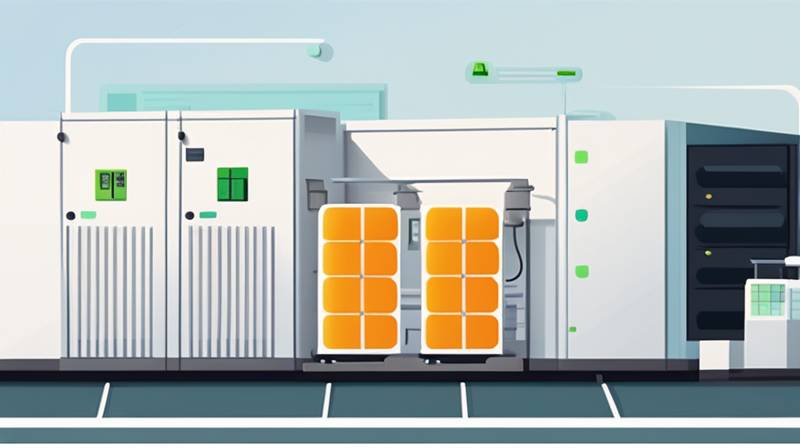
Residential energy storage solutions in Nigeria are poised for significant transformation, driven by a combination of technological advancements, rising energy demands, and a growing commitment to renewable energy sources. 1. Increasing demand for electricity, 2. Technological innovations enhancing efficiency, 3. Government policies supporting solar energy, 4. Economic factors driving investment in energy storage. One of the most crucial factors is the increasing demand for electricity; Nigeria’s rapid urbanization and population growth are placing immense pressure on existing power infrastructures, making energy resiliency paramount. Energy storage innovations, such as battery technologies (e.g., lithium-ion), are becoming more accessible and affordable, leading to smarter energy management solutions for households. With supportive policies from the government and international stakeholders promoting solar energy uptake, the prospect of achieving a more sustainable and reliable energy future becomes increasingly feasible as efforts to attract investment and develop local capacity emerge.
1. INCREASING ENERGY DEMAND IN NIGERIA
The landscape of energy consumption in Nigeria has seen remarkable changes over the past few decades, primarily driven by population growth and urbanization. With a population nearing 200 million and a significant portion residing in urban areas, the demand for energy is on a relentless upward trajectory. This surge in energy consumption has resulted in a comprehensive examination of the existing power supply systems, which are often characterized by instability and inefficiency.
Moreover, as the economy diversifies, more citizens are adopting energy-intensive devices. From domestic appliances to telecommunications infrastructure, the need for a reliable and uninterrupted power supply has never been greater. This growing energy appetite poses challenges to the national grid, which has struggled to meet customer demands consistently. The inevitable shifts toward alternative energy methodologies, particularly renewable resources, have sparked discussions about innovative energy storage solutions that promise to mitigate supply shortfalls.
Along with urbanization comes the emergence of smart homes equipped with technologies designed to optimize electricity consumption. These systems necessitate flexible energy solutions that can be integrated easily and provide seamless energy management. As such, the appetite for residential energy storage systems, which allow households to harness and store excess energy, is an answer to these escalating demands.
2. TECHNOLOGICAL INNOVATIONS IN ENERGY STORAGE
Technological advancements have become the bedrock of progress within the residential energy storage sector. Over the last few years, innovations in battery technology, such as lithium-ion and flow batteries, have made significant strides, enhancing capacity, affordability, and sustainability. These innovations allow households to improve their energy management by storing energy generated from solar systems during peak hours and utilizing it when demand is high or when the grid is down.
The enhancement of energy storage solutions has been facilitated by increased investment in research and development both locally and globally. Companies are exploring new chemistries and materials that have the potential to boost storage capacity while reducing costs. Notably, innovations in smart management systems are also driving energy storage capabilities. These systems utilize algorithms to predict energy usage and optimize the discharge of stored energy for maximum efficiency, offering households unprecedented control over their energy consumption.
Furthermore, advancements in integration capabilities between energy storage systems and smart home technologies facilitate more efficient utilization. For example, systems today can mirror energy flows, adjusting automatically based on usage patterns observed in the household. This synchronicity between energy generation, storage, and appliances makes homeowners not just consumers but active participants in energy management, reducing waste and optimizing costs.
3. GOVERNMENT POLICIES SUPPORTING RENEWABLE ENERGY
Government initiatives play a fundamental role in shaping the energy storage landscape. The Nigerian government has begun to implement policies aimed at enhancing renewable energy adoption and facilitating the growth of energy storage technologies. These policies are crucial for establishing a conducive environment for investment in both infrastructure and technology.
The Renewable Energy Master Plan (REMP), a strategic initiative developed by the Nigerian government, outlines various mechanisms for supporting energy transformation. It serves not only as a framework for promoting renewable energy sources but as an actionable guideline for states, local governments, and private investors aiming to explore energy storage solutions. By creating an enabling environment and intrinsic incentives, stakeholders are more likely to embrace energy storage technologies as viable options.
Tax incentives, grants, and subsidies for solar energy installations, combined with energy storage systems, have the potential to lower the financial barrier for households. Government bodies are collaborating with international organizations to facilitate capacity-building programs aimed at educating citizens about the advantages of residential energy storage. This grassroots movement encourages energy independence while promoting environmental sustainability.
Furthermore, the Nigerian Electricity Regulatory Commission (NERC) has been pivotal in enacting policies that support off-grid solutions. With energy access being a paramount issue, these developments are essential in providing peaceful coexistence among diverse energy solutions that empower citizens with self-sustainability.
4. ECONOMIC FACTORS DRIVING INVESTMENT IN ENERGY STORAGE
Economic considerations greatly influence the adoption of residential energy storage solutions in Nigeria. The growing awareness of energy cost volatility due to reliance on fossil fuels, coupled with the decline in the prices of renewable technologies, has encouraged homeowners to explore energy independence. The costs associated with electricity generation have become a concern, propelling shifts toward energy storage adoption.
Investments in energy storage solutions not only promise to liberate households from the traditional power supply constraints but are also viewed as potential revenue streams. By investing in energy storage systems, homeowners can benefit from demand-side management strategies that capitalize on time-of-use tariffs. This allows them to buy energy when prices are low and sell it back to the grid during peak demand periods, opening up new financial avenues.
Investors are rapidly recognizing the lucrative market potential in providing energy solutions tailored for residential consumption. With many international companies eyeing Nigeria’s burgeoning energy market, competition fosters innovation and drives down costs, further enhancing market accessibility for households. As more entities enter the energy storage space, economies of scale will catalyze the proliferation of affordable solutions for every socioeconomic stratum.
Additionally, the continuous efforts by private sectors to mobilize capital for renewable energy projects, including storage initiatives, has triggered a paradigm shift in how energy is perceived. Financial institutions, both local and international, are beginning to realize the importance of sustainability and climate impact in their investment portfolios. This changing narrative around investment also supports the message of reducing carbon footprints while ensuring reliable energy delivery to end-users.
FREQUENTLY ASKED QUESTIONS
WHAT ARE THE BENEFITS OF ENERGY STORAGE SOLUTIONS IN NIGERIA?
Energy storage solutions offer several advantages in the Nigerian context. 1. Increased energy resilience, 2. Cost savings, 3. Environmental impact reduction. Increased energy resilience means households can maintain power during outages, allowing for uninterrupted daily activities. This is particularly crucial in regions where the reliability of grid supply is inconsistent. On the financial side, homeowners benefit from cost savings by using excess energy generated during sunlight hours instead of relying solely on the grid, often at higher rates. The environmental impact reduction achieved through the use of renewable energy and minimizing reliance on fossil fuels contributes to a more sustainable future. These benefits collectively underscore the importance of integrating energy storage systems into residential energy management, making it clear that they are not merely ancillary technologies, but vital components of a modern energy solution.
HOW CAN RESIDENTS IN NIGERIA ACCESS ENERGY STORAGE SOLUTIONS?
Access to energy storage solutions involves several considerations. 1. Identifying local providers, 2. Exploring financing options, 3. Understanding government incentives. Residents can begin by researching local companies that specialize in renewable energy installations, particularly those offering battery storage solutions. Community awareness campaigns, workshops, and seminars can also increase knowledge about available technologies. Financing options have become increasingly diverse, including loans, leases, and power purchase agreements, which ease the upfront cost burden on consumers. Moreover, government incentives, such as rebates for solar installations, can significantly reduce the overall expenditure. Engaging local energy cooperatives or organizations can also provide valuable insights and facilitate joint investments in energy storage systems, helping to create a more empowered and energy-resilient population.
WHAT IS THE FUTURE OF ENERGY STORAGE TECHNOLOGY IN NIGERIA?
The trajectory of energy storage technology in Nigeria looks promising. 1. Advancements in technology, 2. Growing local manufacturing capabilities, 3. Increased collaboration between stakeholders. Continued advancements will likely lead to more efficient and affordable batteries, making energy storage more accessible to households. Furthermore, emerging local manufacturers focusing on producing cheaper, locally-sourced energy storage devices will drive down costs. There is a growing recognition among stakeholders—including government agencies, private investors, and communities—of the long-term benefits of collaboration in energy management. As awareness of the benefits of renewable energy and storage solutions increases, a more integrated approach to energy distribution, consumption, and resilience will take shape, fundamentally redefining how Nigerians interact with energy over the coming decades.
The journey towards a robust future in residential energy storage in Nigeria is marked by an amalgamation of innovative technology, supportive policies, and economic drives that collectively foster a conducive environment for growth. The expanding energy requirements of a burgeoning population sets the stage for significant transformations in energy management domestically, with energy storage systems at the forefront. Through advancements in battery technology and smart systems, households now have the ability to independently harness and utilize energy according to their needs. Government initiatives are pivotal as they promote renewable energy use and ensure a focus on sustainability resulting in environmental benefits that extend far beyond immediate energy concerns. The dynamism of economic factors further complicates these interactions but simultaneously provides an array of new opportunities for investment. Homeowners can achieve cost-saving benefits while capitalizing on energy storage to influence grid dynamics and their personal energy choices. Thus, the interplay of all these elements affirms that the future is bright for residential energy storage solutions in Nigeria, opening pathways for innovation that provides reliable, affordable, and sustainable energy to enhance quality of life.
Original article by NenPower, If reposted, please credit the source: https://nenpower.com/blog/the-future-of-residential-energy-storage-solutions-in-nigeria/

