

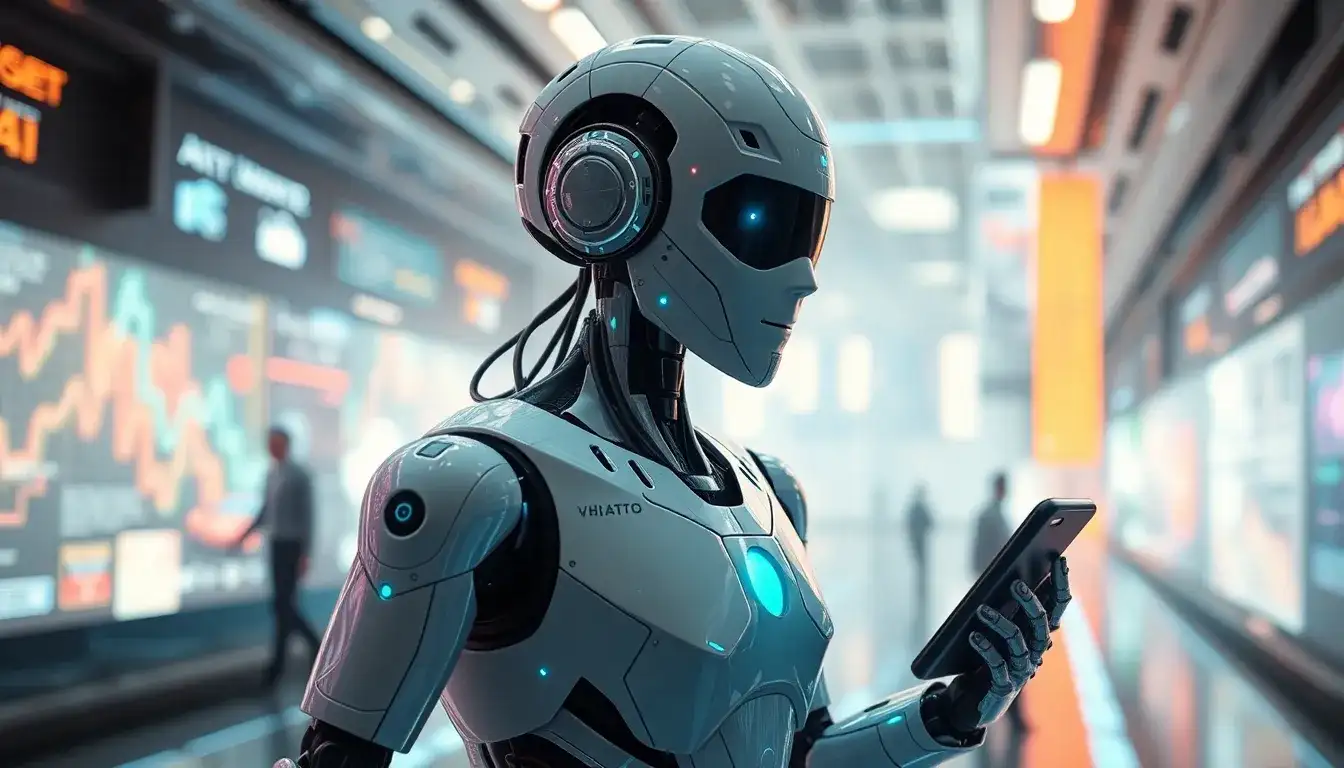
From “Intelligent” to “Autonomous”: Will Humanoid Robots Need to Walk More?
On March 11, 2026, a report from the central government announced the upcoming advancements in humanoid robot technology. The discussion highlighted the significance of these robots in various applications, including domestic and industrial environments.
As the development of humanoid robots progresses, representatives from the government expressed their insights and considerations about the future of this technology. They emphasized the need for humanoid robots to adapt to a wide range of environments and scenarios.
According to the report, humanoid robots will require more than just basic movement capabilities. They will need to navigate complex environments, which involves three key steps: first, understanding the operational environment through sensor data; second, developing autonomous movement pathways rather than relying on pre-set routes; and third, effectively interpreting human gestures and commands to facilitate interaction.
Officials stated, “This evolution will lead to a new generation of humanoid robots capable of not only understanding but also responding effectively to their surroundings.” They pointed out that the transition from mere functionality to intelligent interaction is critical for the acceptance and integration of these robots into everyday life.
On March 4, 2026, an event in Hebei showcased the latest humanoid robot models, attracting public interest. This marked a significant step in the development and public engagement with humanoid robots.
The report further discussed the progression from “active” to “interactive,” indicating that data integration will play a vital role in enhancing the intelligence levels of humanoid robots. Government officials noted that despite the ongoing advancements, the industry still faces challenges related to data acquisition, such as the need for high-quality datasets that accurately reflect diverse environments.
In light of these developments, officials proposed the establishment of a “national-level data center for intelligent humanoid robots,” aimed at centralizing data collection and training for these advanced systems. This initiative is expected to facilitate better collaboration within the industry and improve the overall quality of humanoid robot applications.
The government acknowledged the potential for humanoid robots to revolutionize various sectors, including healthcare, manufacturing, and service industries. However, they also highlighted that significant work remains to ensure these robots can operate effectively in dynamic environments.
With the anticipated advancements between 2027 and 2029, the market for humanoid robots is expected to expand significantly. Most humanoid robots will increasingly become more intuitive, while a smaller portion may take on roles that are less humanoid in nature.
As the government continues to support the growth of this technology, the integration of humanoid robots into society will depend on overcoming existing challenges and improving their capabilities to meet human needs effectively.
Original article by NenPower, If reposted, please credit the source: https://nenpower.com/blog/the-future-of-humanoid-robots-navigating-between-opportunity-and-challenge-in-the-age-of-ai/

