

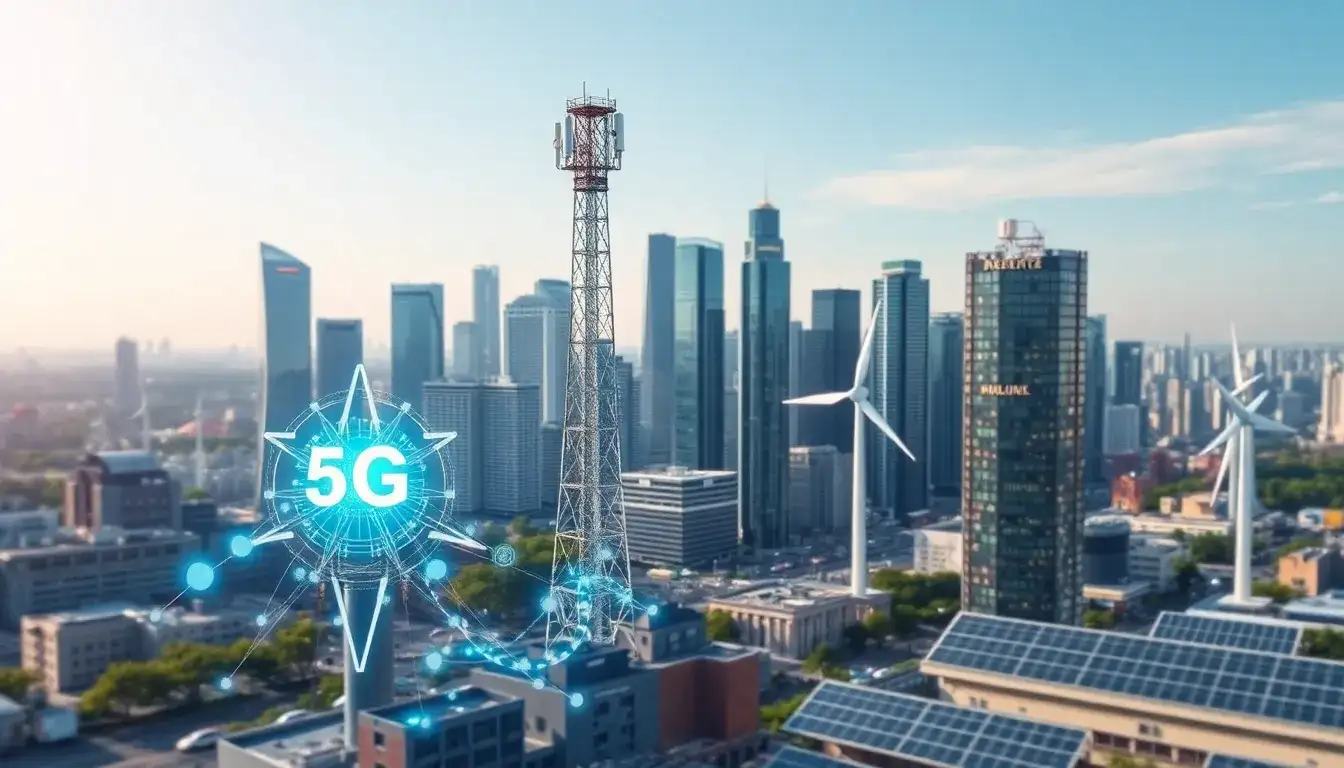
How is the digital society powered? The integration of 5G and AI in communication energy supply has become increasingly vital. As the digital landscape evolves, the energy requirements for communication networks are expected to grow significantly. By 2025, the number of 5G base stations is projected to reach 240 million, resulting in an estimated annual energy consumption of around 840 billion kilowatt-hours.
On average, each 5G base station consumes approximately 3.5 to 4 kW, which is three times more than that of 4G stations. This increase in energy demand is primarily driven by the high-speed capabilities and low latency requirements of 5G. To meet these demands, energy efficiency becomes a critical focus, especially with the growing emphasis on sustainable practices.
In addressing the substantial energy consumption, the ICT industry is striving to enhance efficiency and reduce carbon emissions. The integration of AI into energy management systems is seen as a key strategy to optimize energy use while supporting green technology initiatives.
Moreover, a significant aspect of this transition involves the use of renewable energy sources to achieve targets set for energy consumption reduction. Reports indicate that by 2025, new green energy supply from data centers is expected to exceed 80%, alongside continuous improvement in the Power Usage Effectiveness (PUE) ratio.
To illustrate, in 2023, the PUE of major data centers in China was effectively below 1.09, showcasing a commitment to sustainable practices. The shift towards integrating renewable energy sources and enhancing energy efficiency will play a crucial role in the future of communication networks.
Furthermore, as the demand for 5G continues to escalate, the energy consumption of these networks is projected to increase, necessitating advanced energy management solutions. By 2024, estimates suggest that the total energy capacity of China’s communication base stations will range from 19.5 to 20.5 GWh, with lithium batteries being a significant component of this energy landscape.
In summary, the combination of 5G and AI technologies is redefining energy management in communication networks. As we move towards a more digital society, the focus will undoubtedly be on enhancing energy efficiency, optimizing resource management, and ensuring sustainability in energy supply.
Original article by NenPower, If reposted, please credit the source: https://nenpower.com/blog/the-future-of-energy-supply-in-the-digital-age-harnessing-5g-and-ai-for-efficient-telecommunications/

