

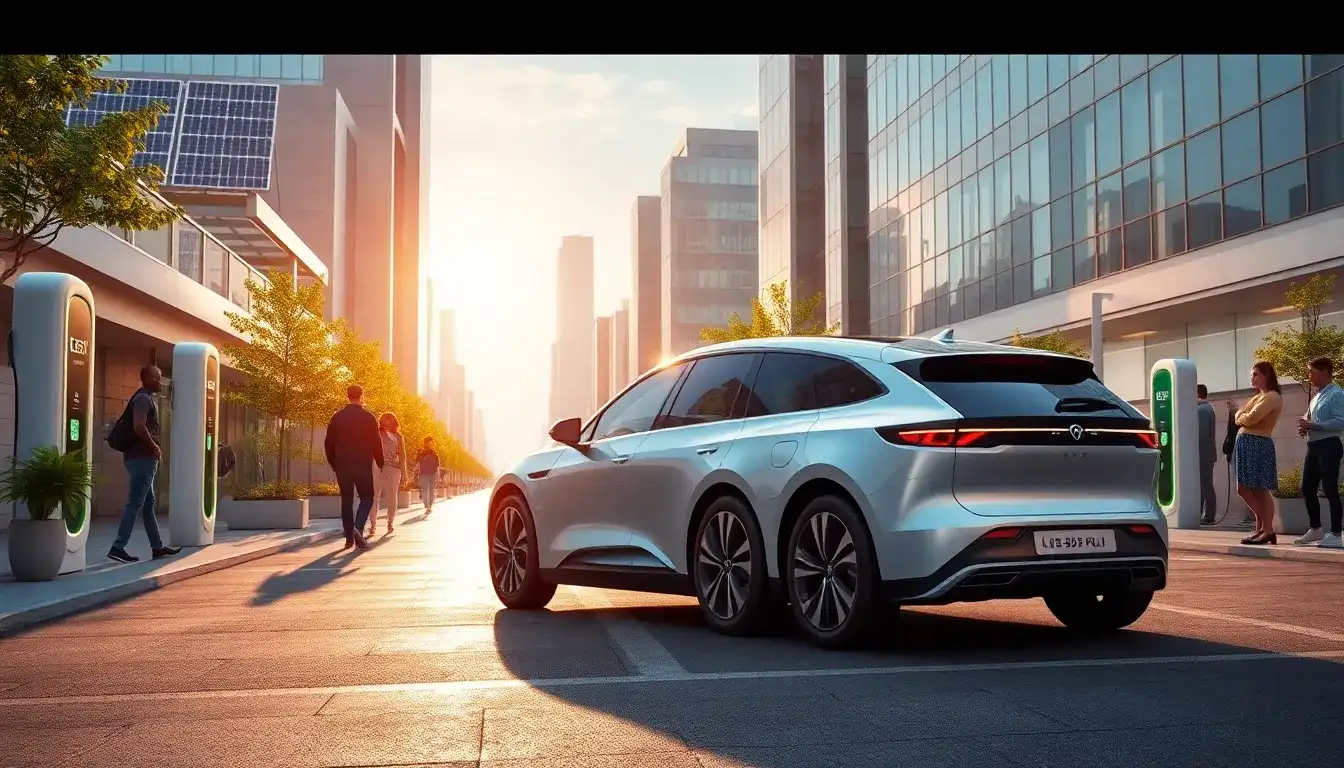
Are Electric Vehicles Truly Free?
As of January 15, 2026, significant developments in electric vehicle (EV) technology have raised questions about the autonomy and accessibility of EV charging stations. In recent years, regions such as Jiangsu Province have reported that the main highways, specifically Route 317 and 318, currently lack sufficient charging infrastructure. However, outside of these main routes, particularly in rural areas, the situation is still concerning.
This leads to the crucial question: Are electric vehicles truly free? The answer could be found in the ongoing development of charging networks. As of 2025, it is estimated that the charging station network will reach 920,000 units, with an expected capacity of about 1.568 million kilowatts. This network aims to support an increasing number of electric vehicles, projected to exceed 196 million by 2030.
The concept of “free electricity,” in essence, suggests that electric vehicles could function similarly to traditional gasoline vehicles, providing high efficiency without the need for extensive charging infrastructure. The focus is not just on the number of charging stations but also on their operational efficiency and user accessibility.
Recent initiatives indicate a push towards creating a more robust charging network, particularly in urban areas. This is expected to facilitate a smoother transition to electric vehicles, which could become integrated into our daily lives. The integration of Vehicle-to-Grid (V2G) technology is also on the horizon, allowing electric vehicles to return power back to the grid during peak demand periods.
According to the Jiangsu Provincial Electric Power Planning Development Regulations (2024-2030), the goal is to establish 860,000 charging stations by 2025, with a total capacity of 1.3 million kilowatts. By 2030, the target expands to 2.93 million charging stations. This ambitious plan aims to position Jiangsu as a leader in the electric vehicle sector, catering to the growing demand for sustainable energy solutions.
Looking ahead, by 2030, it is anticipated that the electric vehicle market will be well established, with a charging station ratio of approximately 2:1 for every vehicle. This indicates a significant shift towards a more sustainable and efficient transportation system. However, challenges remain, including the need for continued investment and technological advancements to ensure that the infrastructure keeps pace with the growing number of electric vehicles.
The journey towards a fully realized electric vehicle ecosystem is ongoing. It is essential to continue fostering innovation and collaboration between the government and private sectors to build a sustainable future. The integration of advanced technologies, user-friendly charging solutions, and efficient energy management systems is crucial for achieving the envisioned goals.
In summary, as the electric vehicle landscape evolves, there is a clear trajectory towards greater accessibility and efficiency in charging infrastructure. This transformation is critical for realizing the full potential of electric vehicles and ensuring a sustainable energy future.
Original article by NenPower, If reposted, please credit the source: https://nenpower.com/blog/the-future-of-electric-vehicles-are-we-ready-for-true-electric-freedom/

