

Electric Vehicle Charging: A Comprehensive Overview
As electric vehicles (EVs) continue to gain popularity, their charging infrastructure is becoming increasingly essential. The global demand for EVs is projected to rise significantly, with aggressive targets set for 2030 and 2050. According to the International Renewable Energy Agency (IRENA), the focus should be on adopting strategies that facilitate the growth of this segment.
In a recent e-tech interview, IRENA’s Jaidev Dhavle emphasized that nations must push forward with this initiative. He noted, “Our strategy is focused on enabling the transition to a sustainable energy model.” There are five key strategies that can promote the use of EVs and enhance charging infrastructure. These strategies are crucial as they address the current challenges in the market.
Data indicates that while the adoption of EVs is steadily increasing, there are concerns about whether the market will be able to scale up sufficiently to meet the ambitious targets for 2050. The International Energy Agency (IEA) warns that to achieve these targets, the share of electric vehicles in total vehicle sales must reach at least 65% by 2030. Although the growth of EV sales in 2023 is on track, ongoing efforts are necessary to maintain this momentum.
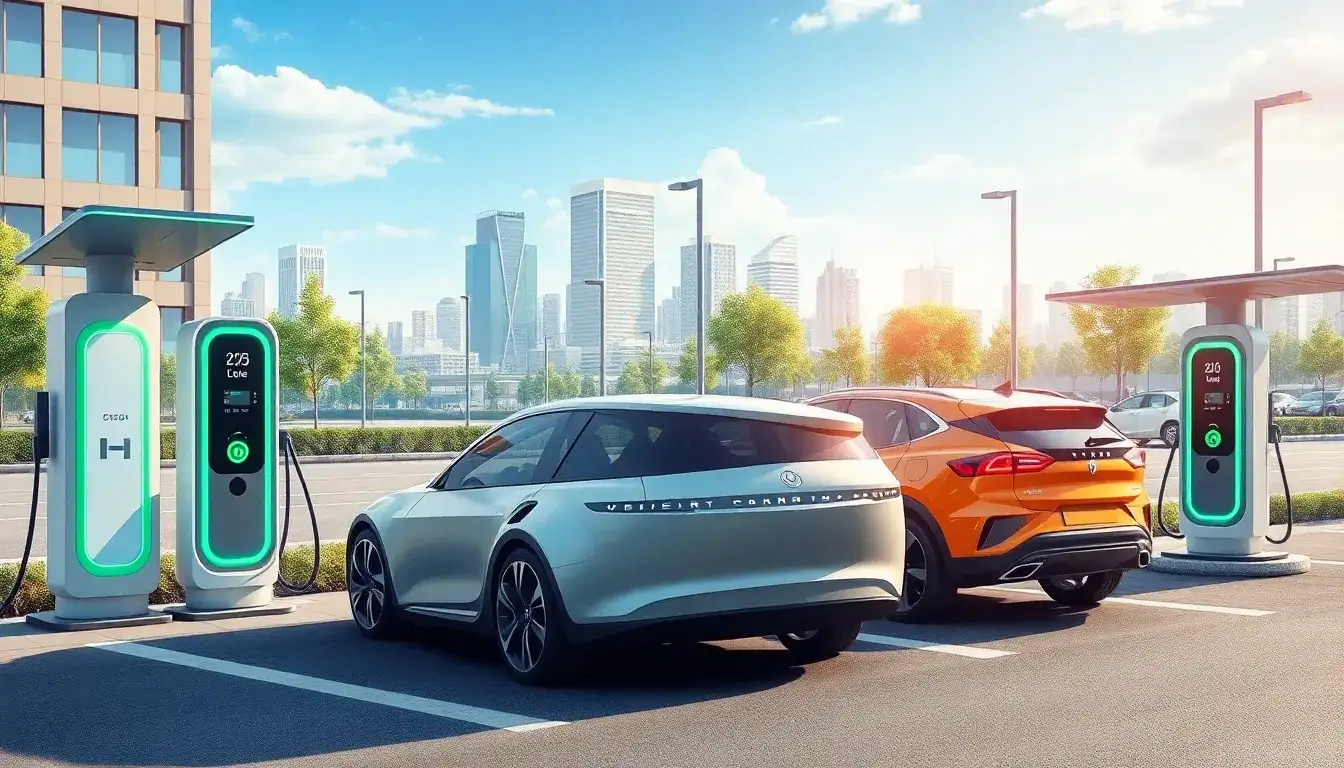
Currently, the number of EV charging points is also on the rise, but it is crucial to accelerate the installation of these facilities. The report suggests that the expansion of charging infrastructure must keep pace with the growing demand. It is commonly referred to as a bottleneck for EV adoption, especially in urban areas where the need for convenient access to charging stations is paramount.
Moreover, wireless power transfer (WPT) technology is emerging as a promising solution for EV charging. This technology allows vehicles to charge without the need for physical connectors, which could simplify the charging process and enhance convenience for users.
In terms of standards, the IEC has developed guidelines for EV charging infrastructure, including the IEC 62196 and IEC 61851 series. These standards ensure that charging systems are safe, reliable, and compatible across different EV models. The IEC 63110 standard aims to manage the integration of electric vehicles into the power grid, promoting efficient energy management.
As the EV market continues to evolve, the development of fast-charging stations is critical. According to BCC Research, the market for EV charging is expected to grow at a compound annual growth rate (CAGR) of 25.5% from 2024 to 2029, increasing from $8.942 billion in 2024 to approximately $28 billion by 2029.
Particularly in China, there is a strong push for the expansion of EV production and charging services, with companies like Ample leading the charge in Europe and the U.S. The IEC has also published technical specifications to support the establishment of a robust charging ecosystem.
In conclusion, as the electric vehicle market matures, addressing the challenges of charging infrastructure and ensuring the availability of efficient charging solutions will be essential for fostering widespread EV adoption. Continuous improvements in technology and standards will play a pivotal role in shaping the future of electric mobility.
Original article by NenPower, If reposted, please credit the source: https://nenpower.com/blog/the-future-of-electric-vehicle-charging-trends-and-innovations-in-2025/

