

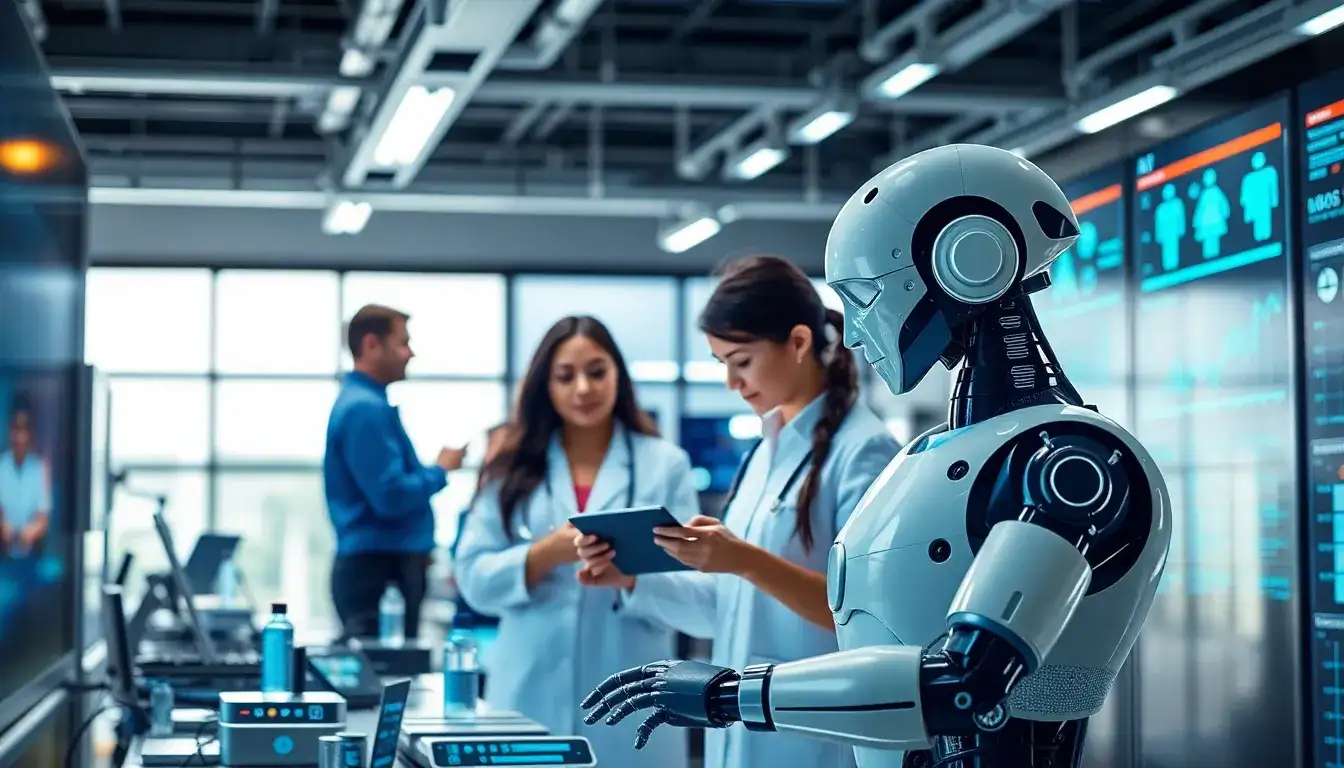
AI+ has become an important topic in various fields, especially as advancements in artificial intelligence continue to evolve. This discussion is particularly pertinent as we approach 2026, a year that is expected to see significant transformations driven by AI.
In the past few years, we have witnessed a surge in AI applications across different industries. For instance, the integration of AI technologies has led to a 2% increase in efficiency in manufacturing sectors as of February 2023. The continuous advancements in AI capabilities have facilitated better connectivity and operational efficiencies.
As companies seek to incorporate AI+ into their workflows, there are several challenges to overcome. Key issues include data privacy concerns, the need for robust infrastructure, and the requirement for skilled personnel to manage AI systems. The push towards AI integration has also raised questions about the ethical implications of its use.
By 2025, it is projected that over 300 million devices will be connected to AI systems, with companies investing heavily in development and deployment of AI technologies. The goal is to create a seamless interaction between AI and daily operations, enhancing productivity and decision-making processes.
The future of AI+ looks promising, but it is crucial to address these challenges to fully realize its potential. Companies must focus on developing strategies that prioritize security and efficiency while also fostering an environment for innovation.
As we look ahead, the integration of AI into various sectors will likely redefine traditional roles and create new opportunities. The ongoing research and investment in AI technologies will continue to pave the way for groundbreaking advancements that could reshape industries and improve lives.
For more information about AI advancements and their implications, you can visit this link.
Original article by NenPower, If reposted, please credit the source: https://nenpower.com/blog/the-future-of-ai-integration-transforming-industries-and-shaping-innovation/

