

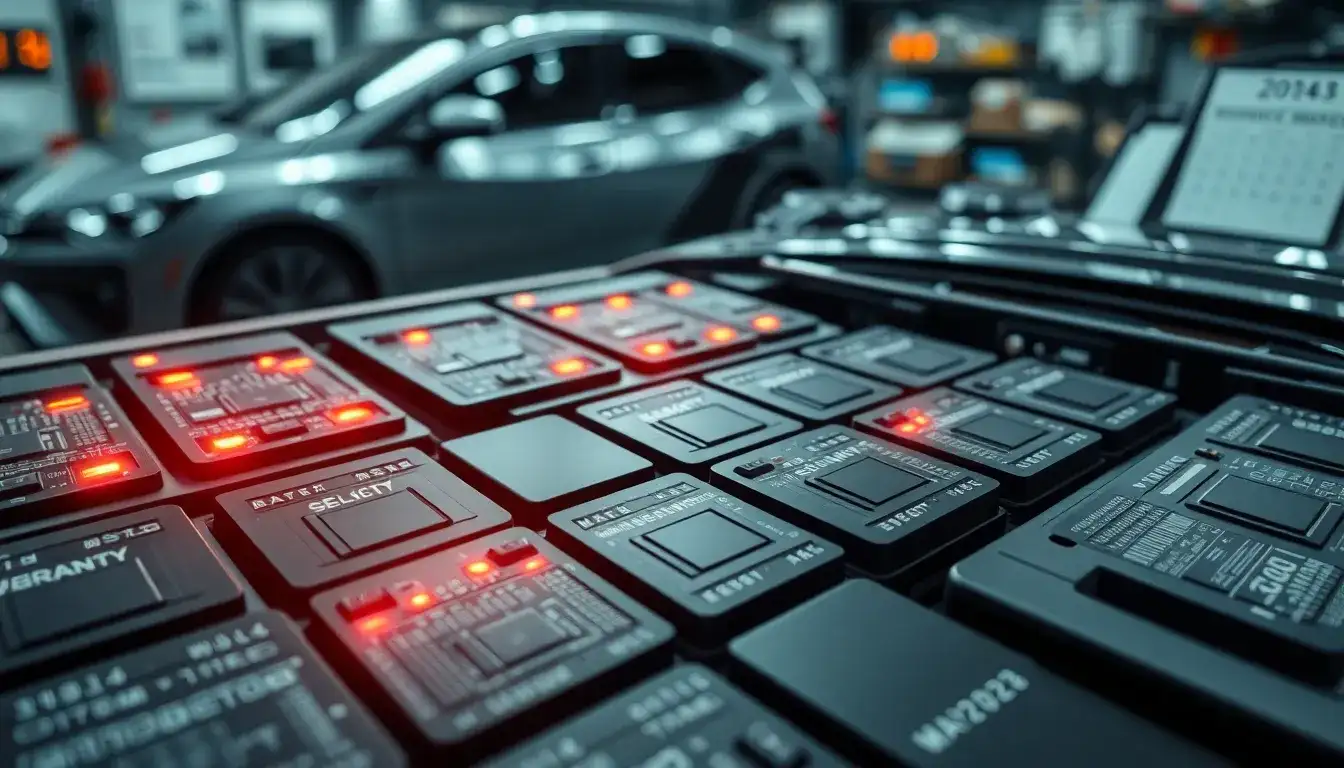
In 2025, the first batch of electric vehicle (EV) power batteries will lose their warranty. The development of electric vehicles in China began to accelerate in 2016. From that year onward, domestic new energy vehicle manufacturers were required to provide an 8-year or 120,000-kilometer warranty on core components like batteries, with the earlier of the two conditions taking precedence. As a result, the first batch of batteries for new energy vehicles will soon reach the end of their warranty period and become uninsured.
According to sales data from 2016, by 2025, approximately 320,000 electric vehicles will be uninsured, with the number approaching 1 million by the following year. This raises an important question: what will happen to these uninsured electric vehicles? During the period from 2016 to 2018, the quality of many electric vehicles was generally subpar, with some having a range of less than 300 km, yet priced above 400,000 yuan. A significant reason many manufacturers continued producing electric vehicles was to benefit from government subsidies. The National Development and Reform Commission, along with the Ministry of Finance, recognized the challenges faced by electric vehicles during this time and introduced more favorable subsidy policies. For example, owners of electric vehicles manufactured before the end of 2018 could receive a subsidy of 20,000 yuan if they scrapped their vehicles.
In addition to financial incentives, the current generation of electric vehicles has made substantial improvements in both range and safety. As a result, most first-generation car owners have opted to trade in their vehicles, accelerating the retirement wave of the initial batch of electric cars. Sales projections indicate that between 2028 and 2030, the domestic electric vehicle market will experience a significant surge in uninsured vehicles, which will also lead to a boom in the battery recycling industry.
Recently, China has been revising the “Interim Measures for the Comprehensive Utilization and Management of Waste Power Batteries from New Energy Vehicles,” which is expected to be released in November this year. All power batteries will be traceable through QR codes, and vehicle owners will be required to return their used batteries for centralized management. This initiative aims to prevent illegal disassembly and environmental pollution, particularly from small-scale recycling operations.
Not only is the government taking steps in this direction, but companies like CATL and BYD are also actively pursuing battery recycling efforts. For instance, CATL has achieved a recovery rate of over 99% for nickel, cobalt, and manganese, with each ton of recycled battery valued at over 40,000 yuan. These companies possess large-scale battery processing capabilities and advanced recycling technologies, making the recycling process more efficient and environmentally friendly.
In order to reassure users, many automakers have adopted various forms of warranty. While the minimum standard warranty is 8 years or 120,000 kilometers (during which time the battery’s range may decrease by 20%), BYD offers a lifetime warranty on its three electric systems for the first owner. NIO, on the other hand, extends the usable life of its batteries to over 15 years through a battery swapping model. For those with electric vehicles manufactured before 2018, trading in for a new model is the most reasonable option. This situation is unavoidable for the first generation of electric vehicles. As for battery recycling, an industry has already been established with stringent regulations, so there is no need for concern in this regard.
Original article by NenPower, If reposted, please credit the source: https://nenpower.com/blog/the-first-batch-of-electric-vehicle-batteries-loses-warranty-in-2025-what-comes-next/

