

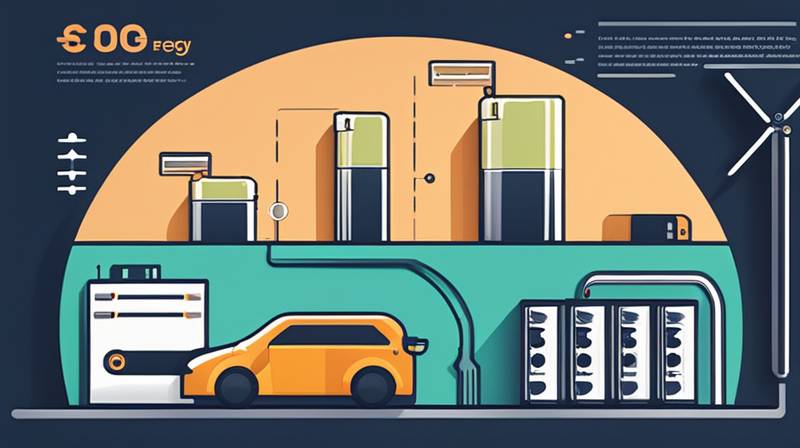
1. This discourse elucidates the various financial advantages attributed to industrial-scale energy storage systems, covering their impact on cost efficiency, energy reliability, sustainability, and market responsiveness. 2. Industrial-scale energy storage systems significantly reduce operational costs through enhanced energy management techniques and minimizing peak demand charges. 3. By optimizing energy consumption and generating revenue through ancillary services, these systems contribute to increased profitability for enterprises. 4. Furthermore, they facilitate the integration of renewable energy sources, promoting sustainability and adherence to regulatory standards, which can result in additional financial incentives.
1. INTRODUCTION TO INDUSTRIAL-SCALE ENERGY STORAGE
The modern energy landscape is experiencing significant transformation with the rise of industrial-scale energy storage solutions. These systems provide a wide range of financial and operational benefits, helping organizations adapt to the dynamic nature of energy markets. Industrial-scale energy storage refers to technologies that capture and store electricity generated from various sources, allowing for controlled release when demand warrants it. The importance of energy storage is underscored by the increasing integration of renewable sources like solar and wind power, which are inherently variable.
Investing in these systems presents a strategic opportunity for organizations aiming to enhance their economic resilience. By alleviating reliance on traditional energy sources and optimizing energy usage, industrial facilities can navigate peaks in electricity demand while contributing to grid stability. Thus, understanding the financial implications of adopting such technologies is essential for decision-makers in various sectors.
2. FINANCIAL SAVINGS THROUGH COST EFFICIENCY
Implementing industrial-scale energy storage systems can yield substantial financial savings for organizations. Cost efficiency is primarily realized through reduced operational costs associated with electricity consumption. Manufacturers and large facilities, for instance, often face exorbitant peak demand charges imposed by utility companies. These charges occur when energy consumption spikes during certain hours, leading to inflated electricity bills.
By incorporating energy storage systems, organizations can store surplus energy during off-peak hours at a lower cost and discharge it during high-demand periods. This strategic maneuver not only mitigates peak demand charges but also enhances cash flow. The ability to manage energy costs effectively results in significant financial health improvements for organizations, enabling reinvestment opportunities in other areas.
Additionally, energy storage systems present cost-saving opportunities through ancillary services. Many grid operators incentivize companies to provide resources like frequency regulation or standby capacity. By responding to real-time market signals, organizations can earn additional revenue while maintaining a sustainable operating model. Such practices not only bolster the financial standing of an organization but also enhance overall operational flexibility.
3. ENERGY RELIABILITY AND OPERATIONAL BENEFITS
Beyond direct monetary savings, industrial-scale energy storage systems substantially improve energy reliability for organizations. Reliability in energy supply is crucial for manufacturing processes and data centers, where interruptions can lead to costly downtime and operational inefficiencies. Energy storage mitigates risks associated with grid volatility and provides a cushion against potential energy shortages.
With the capability to store energy, organizations can sustain operations during grid outages or unfavorable weather conditions that affect renewable energy generation. This increased energy reliability translates to lower risks and decreases potential revenue losses. Businesses reliant on continuous power can achieve higher levels of operational efficiency by ensuring that their energy supply is resilient to external disruptions.
Moreover, energy storage systems allow organizations to manage their electricity consumption better. By utilizing stored energy during times of high demand, organizations can avoid costly fluctuation in energy prices. This proactive approach to energy management enhances budgeting accuracy and facilitates long-term planning, ultimately fostering better financial outcomes.
4. SUSTAINABILITY AND LONG-TERM GROWTH
The integration of industrial-scale energy storage systems presents pivotal opportunities for enhancing sustainability initiatives within organizations. As the global economy shifts toward lower-carbon solutions, sustainability becomes a critical aspect of financial performance. Companies investing in energy storage can optimize their operations to align with renewable energy strategies, which often attract positive investor attention and market advantages.
Adopting renewable sources in conjunction with energy storage systems positions organizations favorably within their respective industries. Sustainable practices are increasingly sought after in partnerships and collaborations, potentially leading to improved marketability. This dual approach allows companies to not only meet regulatory standards but also develop a competitive edge through innovation and environmental stewardship.
Additionally, the long-term financial returns associated with sustainability initiatives can be significant. Government incentives aimed at promoting energy efficiency and renewable energy investments offer avenues for organizations to capitalize on financial assistance and rebates. By laying a strong foundation for sustainability, industrial-scale energy storage systems can foster capital investments and business growth over time.
5. MARKET RESPONSIVENESS AND COMPETITIVE ADVANTAGE
Market responsiveness is another core financial benefit of industrial-scale energy storage systems. In an era of dynamic energy markets, maintaining agility is paramount for organizations seeking to remain competitive. Energy storage solutions enable businesses to adapt to fluctuating demand and evolving energy costs.
By quickly responding to market changes, companies can optimize their energy procurement strategies. For instance, organizations can leverage stored energy to participate in demand response programs, reducing their energy consumption during peak periods. In return, they may receive financial incentives from utility companies or grid operators for reducing demand, promoting a healthier balance between supply and demand.
Furthermore, such systems empower organizations to capitalize on price arbitrage opportunities. During periods of low demand when electricity prices dip, organizations can store energy, and then release it when prices increase. This financial maneuvering can significantly enhance potential revenue streams, reinforcing the importance of industrial-scale energy storage in sustaining competitive advantages.
6. STRATEGIC INVESTMENT AND FINANCIAL RETURNS
The choice to invest in industrial-scale energy storage systems is a strategic decision that influences an organization’s financial trajectory. Modern businesses are increasingly recognizing the criticality of considering future energy needs alongside current operational capacities. Investing in such technologies can enhance an organization’s flexibility and resilience in an uncertain energy landscape.
A well-planned investment in energy storage systems not only provides immediate savings but can also yield long-term financial returns. The return on investment for energy storage systems is influenced by numerous factors, including electricity prices, system size, and operational demands. Over time, as energy requirements grow and renewable contributions increase, organizations could witness preferential energy costs and enhanced profit margins associated with their energy strategies.
Additionally, the advancement of technology in energy storage further boosts potential returns. As batteries become more efficient and cost-effective, the financial viability of these systems continues to improve. Organizations that invest proactively in emerging technologies stand to gain leadership positions in their sectors while embracing the full spectrum of financial benefits.
7. SECTOR-SPECIFIC IMPACTS
Various industries stand to benefit from implementing industrial-scale energy storage systems. Manufacturing sectors, data centers, and large commercial facilities are poised to experience pronounced financial advantages. In manufacturing, operational continuity is often linked to consistent energy supply; thus, efficient energy storage solutions can safeguard profitability.
For data centers, reliability is equally paramount. These facilities, which consume tremendous amounts of energy, require near-constant access to power. By deploying energy storage, operators can guarantee service availability while mitigating costs through better energy management practices.
Moreover, for commercial enterprises, energy storage systems enhance efficiency in energy consumption, particularly in sectors such as retail and hospitality. By optimizing energy procurement and alleviating peak demand charges, these entities can redirect savings to focus on service innovation and maintaining competitiveness in the market. Overall, the versatility of industrial-scale energy storage systems enables tailored financial benefits aligned with diverse industry requirements.
FREQUENTLY ASKED QUESTIONS
1. WHAT IS AN INDUSTRIAL-SCALE ENERGY STORAGE SYSTEM?
Industrial-scale energy storage systems refer to large-scale solutions designed to capture, store, and release electricity generated from various sources as needed. They can take several forms, including batteries, pumped hydro storage, and compressed air energy storage. The primary objective is to enhance energy management by enabling businesses to store excess energy generated during low-demand periods for future use during high-demand peaks. This technology is increasingly significant as industries strive to integrate renewable energy sources like solar and wind power, which supply energy intermittently. By utilizing these systems, organizations not only improve operational efficiency but can also achieve significant cost savings by avoiding peak demand charges and reducing reliance on grid electricity.
2. HOW CAN ENERGY STORAGE REDUCE OPERATING COSTS?
Energy storage systems can substantially cut operating costs by enabling organizations to strategically manage their electricity consumption and leverage pricing fluctuations. By storing electricity during off-peak hours when rates are lower and discharging this stored energy when demand surges and prices increase, companies can effectively minimize their operational expenses. In addition to price management, energy storage can help avoid substantial peak demand charges that utilities impose for excessive energy use during peak periods. The result is a streamlined cost structure that enhances cash flow and contributes to improved profit margins.
3. HOW DOES ENERGY STORAGE PROMOTE ENVIRONMENTAL SUSTAINABILITY?
Energy storage plays a critical role in promoting environmental sustainability by facilitating the integration of renewable energy sources and reducing greenhouse gas emissions. By storing excess energy generated from renewable sources like solar and wind, organizations can utilize that energy during times when production is low, ensuring a more constant and environmentally friendly energy supply. Furthermore, as industries shift towards edifying sustainability as part of their operational ethos, investing in energy storage aligns with corporate social responsibility goals, which can enhance brand loyalty, customer engagement, and overall competitiveness.
4. HOW DO ENERGY STORAGE SYSTEMS IMPACT LONG-TERM STRATEGIC PLANNING?
The implementation of industrial-scale energy storage systems significantly influences long-term strategic planning within organizations. As energy dynamics evolve and the importance of sustainable practices increase, businesses that invest in storage solutions can proactively manage their resource planning while securing future energy supplies at lower costs. This foresight allows enterprises to allocate resources effectively, plan for future expansion, and respond adeptly to market changes, ultimately fostering sustained growth and operational resilience.
In summary, the financial ramifications of industrial-scale energy storage systems are multifaceted and profound. Through cost efficiency and substantial operational savings, organizations stand to gain a formidable advantage in a competitive landscape. Moreover, the promotion of sustainability and the ability to respond dynamically to market demands further enhance the profitability of adopting such technologies. The long-term strategic benefits associated with energy storage indicate a shift toward more resilient and adaptable operational models. As businesses venture into the future, energy storage systems are not merely options; they are becoming essential tools for sustainable and economical success. By embracing these solutions, organizations can navigate the complexities of contemporary energy markets while maintaining financial viability and contributing positively to the environment. предприниматели из различных отраслей смогут обеспечить себе долгосрочный успех, делая ставку на такие технологии, как системы хранения энергии на промышленном уровне.
Original article by NenPower, If reposted, please credit the source: https://nenpower.com/blog/the-financial-benefits-of-industrial-scale-energy-storage-systems/

