

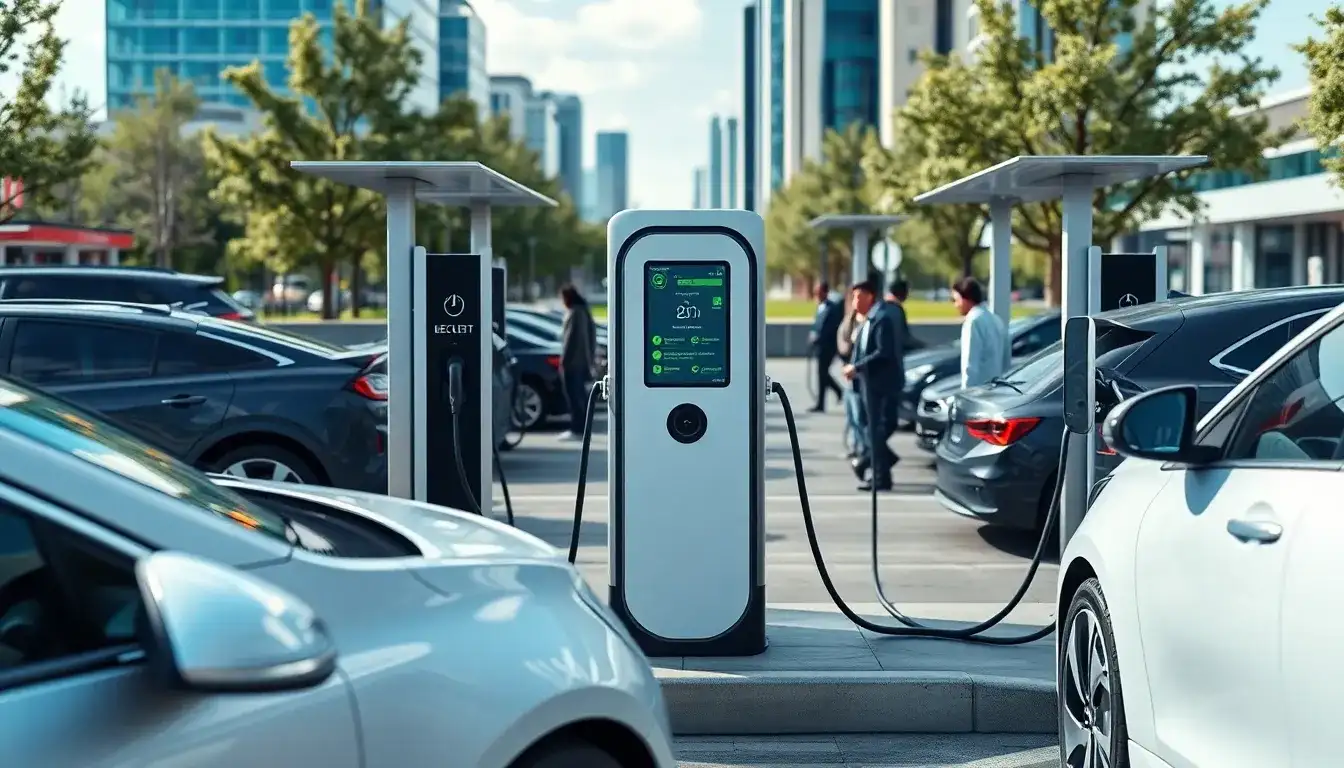
When we talk about electric vehicle charging station manufacturers, they play an indispensable role in the future of transportation. This article delves into the significance of these manufacturers in the evolving transportation landscape and how they are driving the growth of the electric vehicle market.
1. Basics of Electric Vehicle Charging Stations
Electric vehicle charging stations are facilities that provide power to electric cars, electric buses, and other electric transportation modes. Depending on the charging method, these stations can be categorized into several types:
- Slow Charging Stations: Typically used for home or small public charging, these stations usually take several hours to fully charge a vehicle, making them suitable for long-term parking.
- Fast Charging Stations: These stations can charge an electric vehicle to 80% within 30 minutes, ideal for use during short breaks.
- Ultra-Fast Charging Stations: Commonly found on highways, these stations can provide several hours of range in just 15 minutes.
- Mobile Charging Stations: With technological advancements, these flexible charging solutions are emerging, suitable for emergency situations or temporary needs.
As the market for electric vehicles continues to grow, the demand for charging stations is also increasing. Various stakeholders, including automakers, government agencies, and energy companies, are investing heavily in the development of charging infrastructure.
2. Current Industry Landscape and Future Trends
In recent years, the surge in electric vehicle sales has led to an exponential increase in the number and variety of charging station manufacturers. According to data from the International Energy Agency (IEA), the global number of electric vehicles is expected to exceed 200 million by 2025, directly prompting the development of charging infrastructure. Governments worldwide are implementing subsidy policies to promote electric vehicle adoption and the construction of charging stations.
- New Energy Policy Initiatives: Many countries have established stringent emission standards that directly stimulate the electric vehicle market. Plans are in place to achieve a target of 8 million electric vehicles by 2030, while significantly enhancing charging infrastructure. This policy implementation not only boosts electric vehicle sales but also presents favorable development opportunities for charging station manufacturers.
- Technological Innovations: As technology advances, the power and efficiency of charging stations are continually improving. For instance, charging stations utilizing high-power charging technology can significantly reduce charging times. Furthermore, the integration of smart grids and IoT technologies has enhanced the management and operational efficiency of charging stations, providing new growth momentum for manufacturers.
3. Challenges and Opportunities for Charging Station Manufacturers
While electric vehicle charging station manufacturers face substantial market opportunities, they also encounter several challenges in a rapidly evolving environment:
- Intensifying Competition: As market attractiveness increases, more companies are entering the charging infrastructure market, leading to heightened competition. Traditional energy companies, automakers, and emerging tech firms are all vying for a stake in this sector. In such an environment, charging station manufacturers must constantly innovate to maintain their competitive edge.
- High Infrastructure Construction Costs: Building charging stations requires significant investment, covering equipment procurement, site leasing, installation, and maintenance costs. For smaller manufacturers, financial pressure can pose a considerable challenge. Government support policies, such as financial subsidies and favorable loans, become particularly important in this context.
4. Key Success Factors for Electric Vehicle Charging Station Manufacturers
To survive and thrive in a competitive market, electric vehicle charging station manufacturers need to focus on the following key factors:
- Strengthening Technological R&D: Continuous technological innovation is the lifeblood of charging station manufacturers. By developing more efficient and cost-effective charging technologies, manufacturers can offer more attractive solutions to customers, thereby gaining a larger market share.
- Enhancing Service Quality: User experience is crucial in any industry. Charging station manufacturers should earn customer goodwill by providing fast and efficient service, user-friendly interfaces, and comprehensive after-sales support. Additionally, offering real-time charging information through mobile applications can significantly enhance the user experience.
- Collaboration and Alliances: Partnering with automakers, energy companies, and relevant government agencies can help charging station manufacturers gain more resources and support, fostering a collective effort to enhance the electric vehicle ecosystem.
Electric vehicle charging station manufacturers are a vital link in the future of transportation. As global attention on sustainable mobility intensifies and the electric vehicle market accelerates, the number and distribution of charging stations will significantly increase in the coming years. The success of charging station manufacturers will hinge on their technological advancements, service quality improvements, and collaborations with various stakeholders. With investment and policy support, the future of transportation will become smarter and more efficient, with electric vehicle charging stations playing a crucial role in enhancing convenience and experience for users.
Original article by NenPower, If reposted, please credit the source: https://nenpower.com/blog/the-crucial-role-of-electric-vehicle-charging-station-manufacturers-in-future-mobility/

