

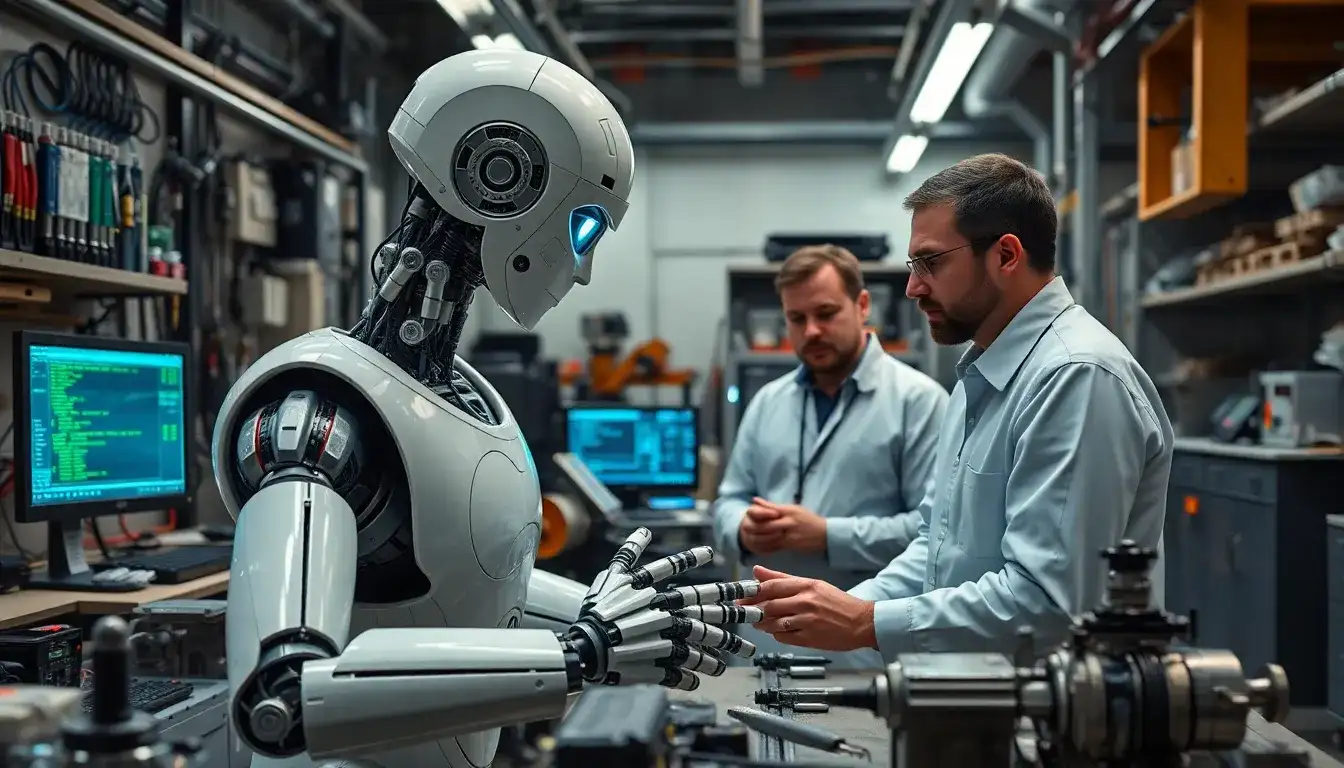
Robots Begin Operations in Advanced Manufacturing: Why Is It Challenging to Achieve High-Quality Work?
As of April 11, 2026, the market is exploring the rapid developments in robotics within the manufacturing sector. Recent advancements have sparked discussions about the efficiency and reliability of robots in various industrial applications.
Despite the ongoing integration of robots in fields such as logistics and electrical inspections, challenges remain. The current capabilities of robots are constrained by their programming and the operational environments in which they function. For instance, robots can struggle to adapt to new tasks or unexpected changes in their surroundings.
On April 10, 2026, two companies unveiled new robotic technologies aimed at enhancing automation in manufacturing. These next-generation robots are designed to handle specific tasks autonomously, but their intelligence level still falls short of achieving complete independence in complex environments.
Robots currently deployed in warehouses and production lines are primarily programmed for specific roles, which can limit their versatility and adaptability. Although advancements have been made, the lack of high-quality data remains a significant barrier to scalability in robot operations.
According to IDC reports, the robotic market is expected to grow significantly, with projections suggesting a market value of around 200 billion yuan by 2024. Dominance in this sector is attributed to companies that can effectively manage and optimize robotic performance through high-quality data analytics.
The disparity in robotic capabilities between different manufacturers highlights the need for improved data access and integration. While some companies are moving rapidly to develop new technologies, they often face challenges related to data scarcity and the need for continuous updates to their systems.
In conclusion, while robots have begun to play a significant role in advanced manufacturing, the journey to achieving high-quality, autonomous work remains fraught with challenges. Success will depend on enhancing the intelligence and adaptability of these machines, along with improving the quality of data they rely on.
Original article by NenPower, If reposted, please credit the source: https://nenpower.com/blog/the-challenges-of-advancing-robotics-why-achieving-autonomous-labor-remains-elusive/

