

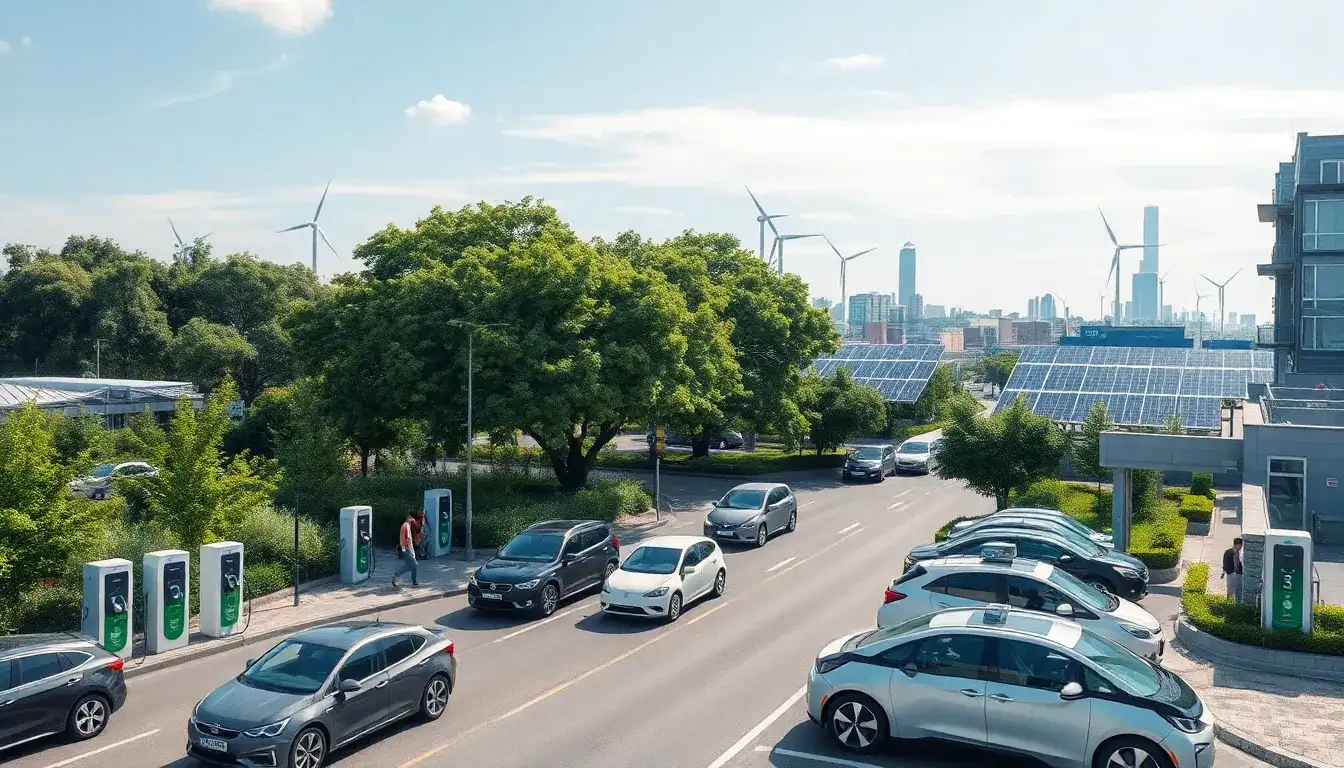
In the era of electric vehicles, the market is facing a significant challenge related to the “charging value level.” As of May 22, 2025, the pricing of charging models can be categorized into two dimensions: “obvious” and “implicit.” The obvious price level is easier to understand and is often perceived more intuitively. It allows for quicker adjustments, such as replacing a battery in just five minutes, and can be categorized into accessible, interchangeable, and upgradeable levels. This system can significantly reduce the barriers to acquiring electric vehicles, addressing user concerns about battery life deterioration.
On the other hand, the implicit price level is harder to grasp and requires time validation. However, it cannot be overlooked, especially given the increasing demand for energy storage capacity, which is expected to rise. The community is becoming increasingly aware of the need for sustainable practices, leading to a shift in electric vehicle charging models being discussed more frequently. The “charging market” appears to be gaining momentum, even though it has yet to reach its full potential.
In recent years, the adoption of specialized standards for electric vehicle charging has been pushed forward, particularly the 20/25# standards for electric vehicles and third-generation charging stations. This year, the promotion of the advanced electric vehicle standard, particularly for pure electric vehicles, has also been emphasized.
As the demand for electric vehicles continues to rise, it is anticipated that by 2030, substantial progress will be made in establishing a “low-carbon” electric vehicle network, with 16 major charging hubs planned to be developed. This network is projected to achieve a high level of operational efficiency, with a goal of ensuring that up to 80% of the energy used in charging comes from sustainable sources.
By 2023, it is expected that the charging infrastructure will accommodate approximately 2000 charging stations nationwide, with the capacity to support over 70 million kilowatts of electricity. The push towards a more efficient charging network is expected to continue, promoting the use of electric vehicles as a viable option for both personal and commercial applications.
In conclusion, the electric vehicle market is evolving rapidly, with increasing recognition of the importance of efficient charging solutions. The transition to electric vehicles and the establishment of a robust charging infrastructure will be critical in the coming years, paving the way for a sustainable energy future.
Original article by NenPower, If reposted, please credit the source: https://nenpower.com/blog/the-challenge-of-transitioning-to-electric-vehicles-in-the-era-of-carbon-neutrality/

