

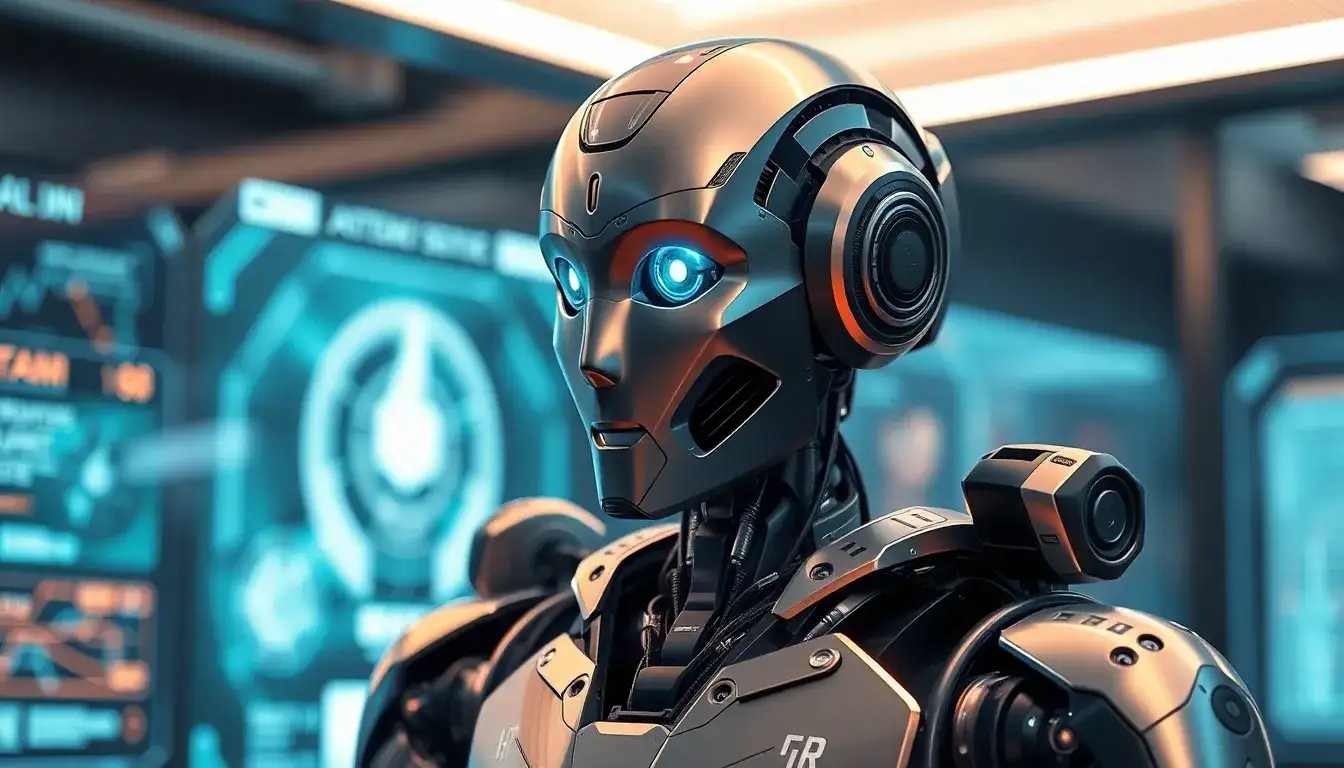
Tesla’s third-generation humanoid robot, Optimus, is set to redefine the landscape: it marks the beginning of the “Watch and Learn” era, aiming for a production target of hundreds of thousands.
On February 3, 2026, the market was buzzing about the new Tesla Finance app, which featured a compact interface designed for easy access. The robot is no longer just a research project; it has already begun to establish its position in various fields.
On February 2, Tesla’s AI account, @TeslaAI, announced the launch of a significant upgrade for the Optimus Gen-3 humanoid robot. This latest version is officially released and is gearing up for mass production. The goal for annual production capacity is set to reach a staggering one million units. This ambition is not just a theoretical projection but a clear and large-scale company initiative.
The Optimus Gen-3 humanoid robot is being positioned to become Tesla’s first truly mass-produced humanoid robot. It aims to address various tasks in industries, demonstrating the company’s commitment to advancing automation and robotics.
In the context of production, the goal is to achieve a target of one million units annually. This is not merely an aspirational figure but a concrete operational target that reflects the company’s growth plans.
How exactly will these humanoid robots work? They require precise programming for each task, necessitating a detailed and structured process. The robot must undergo extensive training and adjustments to adapt to various environments and tasks.
Optimus Gen-3’s core technology revolves around the “Watch and Learn” methodology. In simple terms, this means that the robot learns by observing and mimicking human actions, eliminating the need for extensive coding by humans. This allows the robot to understand tasks through visual recognition, enabling it to interpret instructions and simulate actions effectively.
This “end-to-end” learning capability signifies a shift from rigid programming to adaptable intelligence, allowing humanoid robots to evolve and respond dynamically to diverse tasks and environments.
In practical terms, the Optimus robot could assist in various settings:
- In industrial environments, it could handle complex assembly tasks, enhancing productivity.
- At home, it could aid in daily chores, streamlining household management.
- In healthcare, it could assist nurses and medical staff, providing support in patient care and administrative tasks.
As we approach the target production of one million units, it is expected that the technology will continuously evolve, transitioning from “experimental” to “commercial” status.
In conclusion, the introduction of Optimus Gen-3 is not merely about launching a product; it represents a transformative step into a new era of intelligent robotics. We are witnessing advancements that will redefine how humans and machines coexist and collaborate in various fields.
Original article by NenPower, If reposted, please credit the source: https://nenpower.com/blog/tesla-unveils-optimus-gen-3-a-new-era-of-ai-powered-humanoid-robots/

