

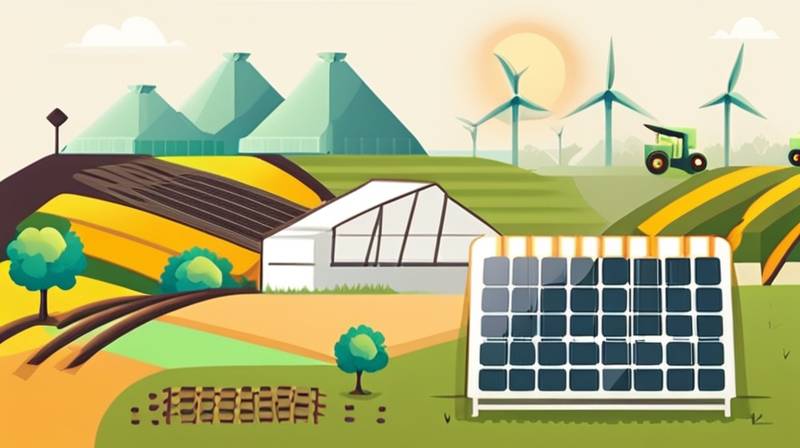
Solar power is transforming the agricultural landscape dramatically. 1. Adoption of renewable energy reduces operational costs, 2. Solar energy enhances sustainability, 3. Integration of solar technology boosts crop yields and efficiency, 4. Government initiatives promote solar investments in farming. A compelling aspect of solar energy in agriculture is its role in reducing dependency on fossil fuels, which not only leads to substantial cost savings but also addresses environmental concerns related to climate change. This shift towards sustainable practices enables farmers to contribute positively to the ecosystem while securing their livelihoods against fluctuating energy prices.
1. RENEWABLE ENERGY ADOPTION IN AGRICULTURE
The agricultural sector finds itself at a crossroads, facing increasing pressure to adopt sustainable practices while simultaneously addressing the burgeoning demand for food. Integration of solar power presents a unique opportunity for farmers to meet these challenges. By utilizing solar panels, farms can harness the sun’s energy for various operations, significantly diminishing their reliance on traditional energy sources. This transition not only contributes to reducing the carbon footprint of agricultural activities but also provides economic benefits through lower energy costs.
Increasingly, agricultural enterprises are incentivized to invest in solar technologies due to the long-term financial savings they offer. Farms can generate their electricity, reducing utility bills and bolstering energy independence. This self-sufficiency is crucial, especially in areas where energy costs are high and volatile. As a result, farmers are empowered to allocate their resources more efficiently, subsequently channeling savings into other crucial areas of their operations, like enhanced crop production techniques and technology improvements.
2. SUSTAINABILITY AND ENVIRONMENTAL IMPACT
The environmental benefits of solar energy within agriculture cannot be overstated. By relying on a renewable and clean source of energy, farms actively contribute to mitigating the adverse effects of conventional farming practices on the environment. Traditional farming operations are often associated with significant greenhouse gas emissions, primarily due to the heavy reliance on fossil fuels for machinery and transportation. Solar power directly addresses these issues by providing a cleaner alternative.
Moreover, the implementation of solar technologies aids in water conservation and soil health. Advanced irrigation systems powered by solar energy allow for more efficient water management. By reducing water waste and improving irrigation timing, farmers can cultivate more sustainable practices that ultimately lead to healthier crops. Such environmentally-conscious methods are becoming increasingly vital in a world where climate change presents a persistent threat to agricultural productivity and biodiversity.
3. INCREASE IN CROP YIELDS AND OPERATIONAL EFFICIENCY
The incorporation of solar technology can lead to remarkable improvements in both crop yields and overall operational efficiency. Solar energy powers advanced agricultural technologies, such as precision farming tools, smart irrigation systems, and automated machinery. These innovations enable farmers to monitor their crops and resources in real-time, resulting in timely interventions that optimize yield potential and resource use.
For instance, precision farming techniques leveraging solar-powered data analysis tools allow farmers to make informed decisions based on accurate data regarding soil health, moisture levels, and crop performance. Integrating solar technology within these processes not only elevates farming efficiency but also enhances sustainability by minimizing waste and maximizing output. This harmonious balance supports the overarching goal of addressing food security while also preserving the planet’s resources for future generations.
4. GOVERNMENT SUPPORT AND INITIATIVES
Governments worldwide are increasingly recognizing the significant role that solar energy can play in fostering sustainable agricultural practices. Promotional initiatives, subsidies, and tax incentives are being implemented to encourage farmers to invest in solar technology. Such policies demonstrate a commitment to transforming agriculture into a more sustainable sector while addressing energy-related concerns.
The financial support provided by governments can often make the initial investment in solar energy technologies more manageable for farmers. Whether through grants, low-interest loans, or tax breaks, these initiatives alleviate some of the economic pressures associated with transitioning to solar power. Additionally, educational programs aimed at raising awareness of solar technology’s potential can encourage farmers to embrace new practices confidently and proactively.
5. CHALLENGES OF SOLAR ENERGY IN AGRICULTURE
While the benefits of solar energy in agriculture are clear, certain challenges must be navigated. The initial capital investment for solar installations can be substantial, and not all farmers have the requisite financial resources. In regions with limited access to financing options, the transition to solar may be stalled despite its long-term benefits. Consequently, addressing these financial barriers is vital for encouraging widespread adoption of solar technology among diverse agricultural communities.
Furthermore, some rural areas face logistical challenges related to infrastructure, such as inadequate grids necessary for connecting solar systems to local energy supplies. As a result, farmers in isolated regions may struggle to fully realize the advantages of solar energy. Collaboration between government bodies, financial institutions, and agricultural stakeholders is necessary to develop strategies that overcome these challenges and support farmers through this transformative transition.
SOLAR POWER IN AGRICULTURE: FAQS
WHAT ARE THE COSTS ASSOCIATED WITH IMPLEMENTING SOLAR ENERGY IN FARMING?
The costs linked to the integration of solar energy in agricultural settings can vary widely, influenced by the scale of the installation, technology used, and regional prices. Initial investments typically encompass the price of solar panels, inverters, installation, and maintenance. While the upfront cost may seem daunting, many farmers find that they can recoup their investment through energy savings over time. Federal and state incentives can often mitigate expenses, making solar energy a more feasible solution for many farming operations.
Additionally, farmers may also consider financing options such as loans or leasing arrangements to alleviate the burden of upfront costs. Reports suggest that while the initial outlay can range from $10,000 to $50,000 for smaller systems, these systems can lead to savings that significantly impact a farm’s profitability over the years. Ultimately, adopting solar energy is not merely an expense but a potential investment that promotes long-term sustainability and operational efficiency.
HOW DOES SOLAR POWER IMPACT CROP PRODUCTION?
The relationship between solar energy and crop production is integral to understanding the broader implications of renewable energy in agriculture. By enabling the use of advanced farming techniques and technologies, solar power enhances various agricultural processes. For instance, solar-powered irrigation systems allow for drought management by providing timely and efficient water distribution, which is crucial for maintaining crop health during dry spells.
Moreover, solar energy can power climate-controlled environments, such as greenhouses, where conditions can be monitored and adjusted based on real-time climate data. This control over the growing environment facilitates year-round crop production and provides the flexibility to cultivate a diverse range of crops. Ultimately, the incorporation of solar technology not only increases crop yields but also promotes biodiversity and resilience against climate change, ensuring food security remains a paramount goal.
WHAT ARE SOME EXAMPLES OF SOLAR TECHNOLOGIES USED IN AGRICULTURE?
Various solar technologies are being utilized within agriculture to enhance efficiency and sustainability. Photovoltaic (PV) systems, solar thermal systems, and solar-powered irrigation systems are among the most prominent applications. PV systems convert sunlight into electricity, providing renewable energy for various farming operations, from powering machinery to running climate control systems.
Solar thermal technologies, on the other hand, harness solar energy to generate heat used in various agricultural processes, such as drying crops or pasteurizing dairy products. Moreover, solar-powered irrigation systems utilize solar energy to operate pumps that convey water from wells or other sources, ensuring crops receive adequate hydration while reducing reliance on grid electricity. Each type of solar technology plays a critical role in revolutionizing farming practices, exemplifying the transformative power of renewable energy in promoting sustainable agriculture.
In light of the ongoing evolution of agricultural practices, the integration of solar power presents an innovative leap towards more sustainable and resilient farming systems. This renewable energy source not only mitigates operational costs but fosters a more environmentally-friendly approach to food production. As farmers embrace solar technology, they can capitalize on the multiple benefits including enhanced crop yields, decreased carbon footprints, and improved energy independence. Furthermore, the financial and educational support from governmental initiatives provides a solid foundation for this transition, enabling agricultural stakeholders to forefront sustainability in their endeavors. However, it is crucial to acknowledge the challenges that persist regarding initial costs and infrastructure limitations. Addressing these issues through collaborative efforts and innovative solutions is essential to ensure that all farms can partake in the advantages that solar energy offers. As the agricultural landscape continues to evolve in response to climate change and global demands, solar power stands as a beacon for shaping the future of farming, leading the charge towards an agriculturally enlightened and sustainable tomorrow.
Original article by NenPower, If reposted, please credit the source: https://nenpower.com/blog/solar-power-in-agriculture-the-future-of-farming/

