

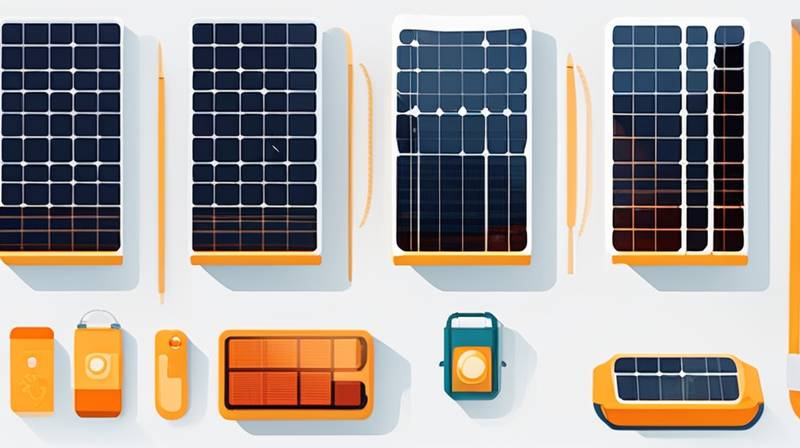
Solar power has emerged as a vital component in emergency response situations, offering innovative and rapid solutions to various challenges. 1. **Portable solar technologies are lightweight and easy to deploy, making them ideal for disaster-stricken areas, 2. Rapid energy production ensures that first responders can sustain operations in critical situations, and 3. The sustainability of solar power provides a long-term solution to energy needs in emergencies. Notably, the efficacy of portable solar solutions in creating a reliable power supply greatly influences the speed and effectiveness of emergency responses, facilitating various operations from powering communication devices to supporting medical equipment. By leveraging solar energy, emergency services can ensure continuity in their operations, even in the most challenging environments.
1. PORTABLE SOLAR TECHNOLOGIES
In emergency situations, the capacity to deploy energy solutions that are both efficient and practical can significantly enhance the response efforts of first responders. Portable solar technologies, including compact solar panels and solar generators, represent a significant advancement in this regard. When traditional fuel supplies are compromised, the necessity for alternate energy sources becomes critical, and portable solar units can fill that void effectively.
These devices are designed for ease of transport, allowing operators to quickly setup and begin harnessing solar energy. Solar panels can be transported in standard vehicles and installed with minimal effort, even in remote locations. Their lightweight materials and foldable designs ensure that they can be moved quickly from one area to another, adapting to changing conditions on the ground. The direct availability of solar power alleviates the immediate pressure of energy scarcity, thus allowing for uninterrupted emergency operations.
Moreover, advancements in battery storage technology have remarkably enhanced the viability of these portable solutions. Solar generators not only collect energy from sunlight but they also store excess power for use during non-sunny periods or emergencies when immediate access to energy is required. This ability to charge and retain energy is crucial in various circumstances where power demands fluctuate unpredictably. The combination of mobility and energy security offered by portable solar devices ensures that first responders have the tools necessary to operate effectively in austere environments.
2. RAPID ENERGY PRODUCTION
The speed at which energy can be generated is critical during emergency response operations. Solar power systems can be set up quickly, often within minutes, providing immediate access to power. Compared to traditional generators that require fuel and extended start-up times, solar solutions are far more expedient, enabling responders to focus on their critical tasks rather than navigating energy logistics.
This rapid energy production becomes particularly vital in scenarios where time is of the essence. For example, in the aftermath of natural disasters, infrastructure may be damaged, and traditional power sources compromised. In such cases, portable solar devices can facilitate the establishment of a quick energy supply to critical locations, such as field hospitals or command posts. By effectively mobilizing solar energy, emergency teams can significantly reduce the time needed for overhead operations.
In addition, the flexibility of solar power allows it to be integrated into various types of equipment and systems used in emergencies. For instance, solar energy can efficiently charge communication devices essential for coordination, illumination tools, or even provide energy for medical equipment directly at the site of operation. The versatility in application further underlines the practicality of deploying solar solutions in crisis scenarios, allowing responders to maintain a high level of operational capability.
3. SUSTAINABILITY OF SOLAR POWER
The ecological sustainability of solar energy offers multiple benefits that extend beyond immediate energy requirements. In emergency situations, utilizing solar power not only provides a temporary energy solution but also promotes long-term environmental health. Unlike fossil fuels that generate emissions and create ecological impacts, solar energy represents a clean alternative without the associated environmental degradation.
Moreover, the utilization of renewable sources like solar energy mitigates the dependency on conventional fuels, which could become irregular or unavailable during emergencies. In the wake of a disaster, traditional fuel importing mechanisms might be disrupted, causing delays and energy shortages. However, energy derived from solar technology is inherently sustainable as it relies on natural and abundant resources.
The move towards solar energy in emergency scenarios is reflective of a broader initiative aimed at sustainable development and resilience against future disasters. The integration of renewable energy solutions into disaster preparedness plans stands to not only enhance immediate recovery efforts but also foster a more resilient energy infrastructure capable of withstanding future challenges. This dual benefit reinforces the transition towards sustainable energy solutions and highlights the important roles that solar power plays in enhancing community resilience in face of adversities.
4. TECHNOLOGICAL ADVANCEMENTS IN SOLAR POWER
The evolution of solar technology has brought about significant improvements that enhance performance and usability in emergency scenarios. Recent advancements such as lightweight materials, higher efficiency panels, and improved energy storage systems have considerably broadened the potential applications of solar devices. This technology innovation enables first responders to select solutions best suited for specific emergency needs.
One remarkable advancement in solar technology is the development of bifacial solar panels that can utilize sunlight from both sides. This improvement makes installations more efficient, allowing for greater energy capture in various geographical conditions. Enhanced energy efficiency directly correlates to longer operational hours for emergency teams, providing more adequate power for essential equipment and communication tools.
Additionally, the integration of IoT (Internet of Things) in solar technology ensures that emergency teams can monitor energy usage and availability in real-time. Smart solar systems facilitate efficient resource management, enabling responders to troubleshoot issues before they become critical problems. With this information at hand, teams can make informed decisions about resource allocation, minimizing waste and maximizing efficiency in dire situations.
FREQUENTLY ASKED QUESTIONS
WHAT ARE THE BENEFITS OF USING PORTABLE SOLAR POWER IN EMERGENCY SITUATIONS?
Utilizing portable solar power in emergencies presents several advantages that significantly enhance response efforts. Firstly, these systems are inherently lightweight and can be quickly transported to the disaster site. This mobility allows responders to access energy where and when it is needed the most. Additionally, portable solar solutions can be set up rapidly, sometimes in mere minutes, providing immediate energy access for essential tasks.
Moreover, the clean nature of solar energy means that it does not produce harmful emissions, making it an environmentally friendly option in the aftermath of a disaster. In scenarios where traditional fuel supplies become disrupted, solar power serves as a reliable alternative that ensures first responders can maintain their operations without significant delays. The integration of portable solar technology not only ensures quicker responses but also exemplifies a commitment to sustainable practices in disaster management.
HOW CAN SOLAR POWER IMPACT DISASTER RECOVERY EFFORTS?
The deployment of solar power during disaster recovery significantly impacts the overall effectiveness and efficiency of the response. By establishing a reliable energy source, teams can maintain critical operations such as communication and medical services without interruptions. This constant power supply becomes essential for coordination and delivery of aid during recovery phases.
Furthermore, employing solar energy contributes to long-term sustainability. Resilient energy solutions play a crucial role in rebuilding efforts as communities strive to restore normalcy post-disaster. By establishing solar systems, affected regions can safeguard against future energy shortages, ensuring that they are better prepared for subsequent challenges. Thus, solar power not only supports immediate response tasks but also reinforces community resilience and sustainability in the long run.
WHAT CHALLENGES DOES SOLAR POWER FACE IN EMERGENCY RESPONSE?
While solar power offers remarkable benefits in emergency situations, there are hurdles that need to be considered. One of the primary challenges involves dependency on sunlight; operational efficiency can decrease significantly during overcast weather or in areas experiencing prolonged shadow and limited daylight hours. This limitation may necessitate supplementary power sources in cases of extended deployment in adverse conditions.
Another potential obstacle lies in initial costs and equipment accessibility. Although solar technology has become more affordable over the years, procurement of portable solar systems can still be a challenge for some emergency responders, particularly in regions with limited budgets. Gaining access to the latest solar innovations may also pose time constraints that can limit effective response planning. It’s critical for organizations to navigate these challenges to maximize the utility of solar power in their emergency protocols.
To sum up, the implementation of solar power within emergency response strategies represents an innovative step towards enhancing operational readiness and sustainability. The combination of portability, rapid energy generation, and long-term viability firmly positions solar technology as a pivotal resource in tackling emergencies. By leveraging these attributes, first responders can ensure that they are equipped to operate effectively despite the unpredictability of various crises. The continuous advancements in solar technology further enhance the potential of these solutions, permitting users to harness the benefits fully and adapt to emerging challenges. As communities begin to understand and integrate solar solutions into their disaster response protocols, they forge a path towards increased resilience and sustainability. Embracing solar energy not only aids immediate relief efforts but fosters a culture of preparedness and environmental respect that carries value for generations to come.
Original article by NenPower, If reposted, please credit the source: https://nenpower.com/blog/solar-power-for-emergency-response-portable-and-rapid-solutions/

