

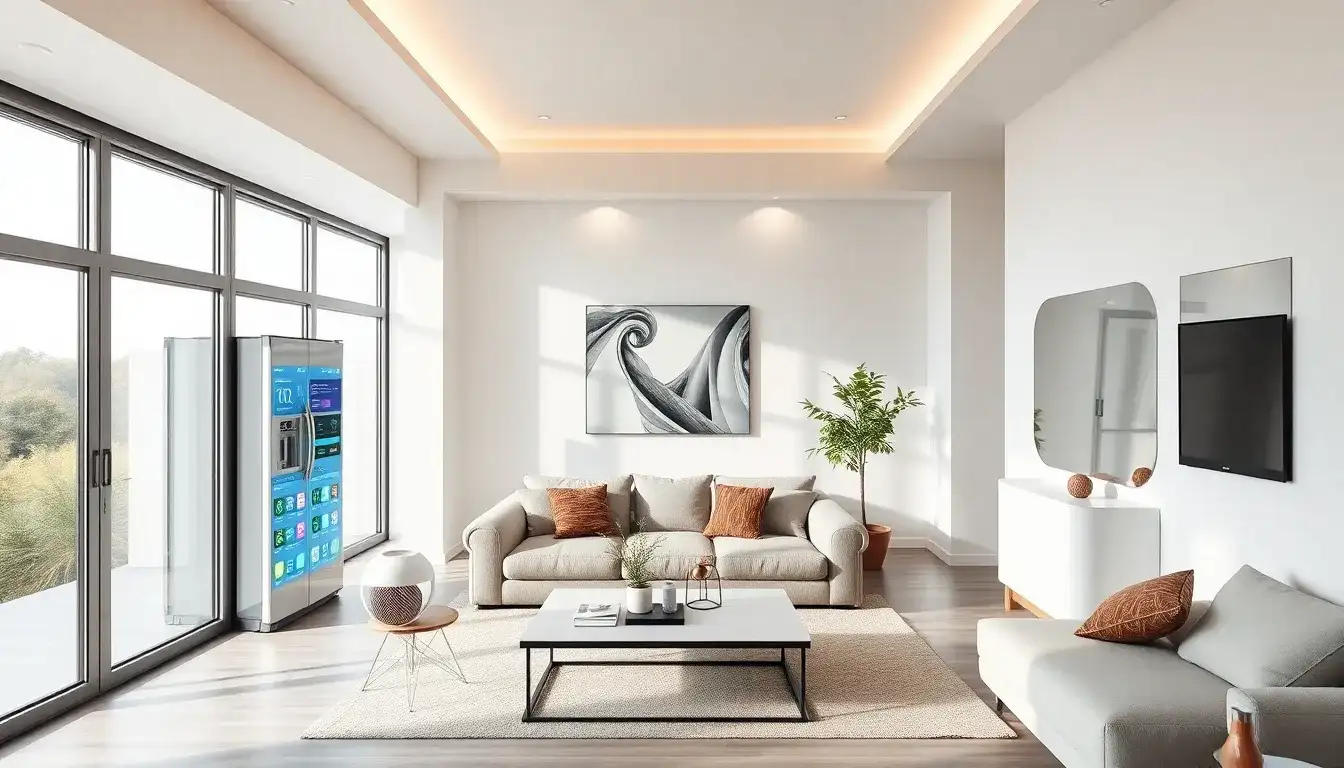
Intelligent Home 2026: Halting the “Concept Drift,” Extending Application Scenarios Beyond Users
On January 13, 2026, the 21st Century Business Herald reported that the Chinese Intelligent Home industry is moving towards high-quality development, significantly innovating application scenarios.
According to the report, the Intelligent Home industry has already distinguished itself with a “service innovation + demand integration” model. The technology transition is no longer guided by traditional methods; instead, it focuses on solving real-world issues, extending applications from home environments to public spaces and waterways.
The core driving force for market expansion comes from the demand-side characteristics of products, which are increasingly shifting towards customizable solutions that enhance user experience. The two major transformative forces in this sector are policy-driven initiatives aimed at promoting green technology and intelligent living solutions. The European Union’s Directive on Sustainable Products (SPR) is also pushing for sustainable development capabilities in enterprises.
With advancements in AI and machine learning, companies are increasingly addressing the needs of diverse user groups through innovative solutions. This year at CES, many enterprises showcased their products, highlighting the industry’s rapid evolution.
Notable participants included TCL, Haier, and Lenovo, each presenting innovations that enhance user experience and meet market demands. The showcased products ranged from smart home devices to advanced energy solutions, emphasizing the industry’s commitment to integrating intelligent technologies into everyday life.
At CES, TCL introduced a 110-inch Mini LED television, showcasing its emphasis on large-scale displays and energy-efficient designs. Additionally, the company highlighted its collaborative projects with LG, demonstrating the integration of smart home technologies and energy management systems.
Green Innovations at CES included the launch of “Activate Smarter Living,” which promotes interconnected smart home products. With partnerships like NASync iDX, the latest generation of smart home devices aims to enhance user interaction and convenience.
As the industry evolves, companies like TCL and Haier are focusing on sustainable practices, with the goal of reducing energy consumption while enhancing performance. The push towards green technologies is reflected in their product offerings, aiming for a balance between innovation and sustainability.
In conclusion, the Intelligent Home sector is set for significant growth by 2026, driven by policy support, innovative technologies, and a commitment to meeting consumer demands. As companies adapt to market changes, they are poised to redefine the landscape of smart living.
Original article by NenPower, If reposted, please credit the source: https://nenpower.com/blog/smart-home-innovations-for-2026-shifting-focus-from-conceptualization-to-real-world-applications/

