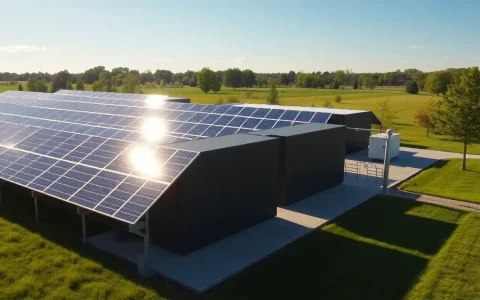
SHEIN has announced that in 2024, it expects to reduce carbon emissions by over 35,000 tons through its use of rooftop solar photovoltaic (PV) systems. The total solar energy generated from its domestic warehouses and supplier factories will exceed 65 million kWh, representing a 150% increase compared to the previous year. This amount of energy is equivalent to the annual electricity consumption of over 10,000 average households.
The company explained that by installing PV systems on building rooftops, it can convert sunlight into electric power, harnessing solar energy for electricity generation. This innovative approach to green energy not only provides power close to the source, thus minimizing energy loss from long-distance transmission, but it also achieves zero pollution emissions.

The rooftop solar project is a crucial component of SHEIN's efforts to reduce carbon emissions across its entire supply chain. Currently, the usage of green electricity in SHEIN's self-operated logistics facilities has reached nearly <b>80%</b>, and the company continues to enhance this ratio. Its upcoming smart supply chain base will be fully equipped with rooftop solar panels.

In addition to installing rooftop solar panels at its own facilities, SHEIN is actively promoting the adoption of renewable energy among its suppliers. The company offers customized PV system installation solutions and cash incentives. By the end of 2024, the number of SHEIN suppliers utilizing solar energy has increased by approximately <b>180%</b>.

Beyond the rooftop solar initiative, SHEIN has collaborated with both domestic and international organizations and experts in recent years to develop various sustainability and energy-saving projects targeted at suppliers. These include initiatives focused on clean design, supplier energy efficiency leadership, and standardized energy-saving solutions for manufacturing plants.

SHEIN is deeply involved in every stage of the product lifecycle, continuously driving technological innovation and the transition to green and low-carbon practices. The company is investing over <b>10 billion yuan</b> in smart supply chain infrastructure to further enhance cost efficiency and sustainable development.

For example, in the raw materials sector, SHEIN has partnered with top industry universities such as <b>Donghua University</b> to co-develop a groundbreaking recycled polyester solution that is both practical and economical. This innovation aims to expand the range of recyclable materials while ensuring the quality of recycled polyester. Recently, SHEIN also established a joint laboratory with leading companies in functional chemistry and new materials to create a textile dyeing technology innovation center, focusing on the digitalization and green upgrade of dyeing processes as well as new functional fabrics.

In recent years, SHEIN has also sourced leftover fabrics from other brands to create new products that contain a higher percentage of recycled materials, offering diverse and personalized options for consumers who are passionate about eco-friendly fashion.

In the production and manufacturing phase, SHEIN's innovative digital cold transfer printing technology for denim reduces water usage by <b>70.5%</b> compared to traditional methods. Additionally, the company has promoted zero water resource consumption and digital heat transfer printing techniques within its supply chain, achieving a current usage rate of <b>65%</b>, which conserves energy and reduces carbon emissions while improving efficiency.

In terms of packaging, SHEIN has made significant progress by using recycled materials for more than half of its shipping bags. The company continuously optimizes the size and thickness of its garment packaging bags through repeated testing, further reducing the production and use of virgin plastics.

In the logistics and warehousing sector, aside from the rooftop solar project, SHEIN has collaborated with partners like <b>Sinotruk</b>, <b>Dongfeng</b>, and <b>CATL</b> to test and deploy <b>9.6-meter</b> electric vehicles for inter-warehouse transportation. These vehicles are scheduled for large-scale operation, with more than <b>130</b> units expected to be in service by 2025, potentially reducing carbon emissions by nearly <b>10,000 tons</b> annually.
Original article by NenPower, If reposted, please credit the source: https://nenpower.com/blog/shein-plans-significant-carbon-reduction-with-150-increase-in-rooftop-solar-power-by-2024/