

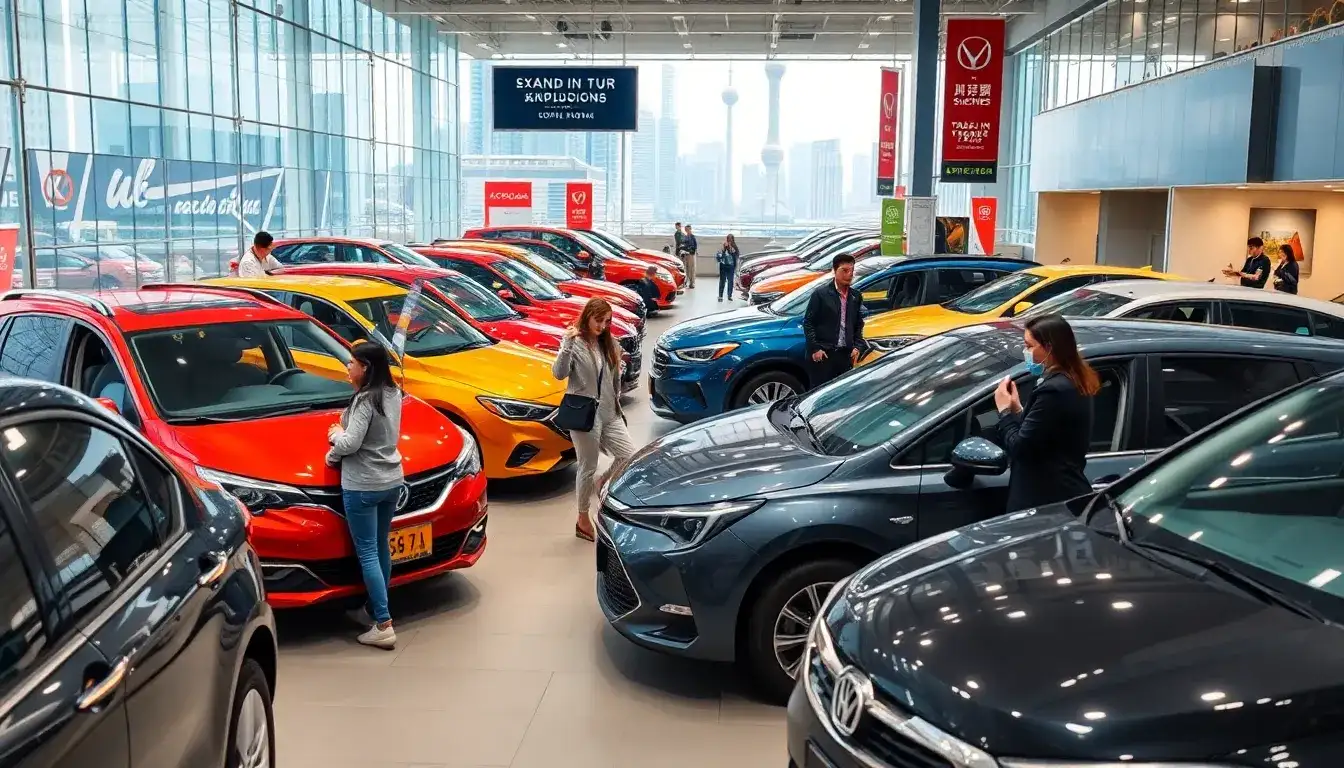
The city of Shanghai has enhanced its automobile trade-in policy, now offering subsidies for the replacement of old vehicles registered outside the city. This initiative aims to make it easier for consumers to dispose of old cars and encourages them to purchase new ones, thereby stimulating consumption.
Following the release of new policies by the Shanghai Municipal Commission of Commerce prior to the Spring Festival, the city has decided to expand the scope of its vehicle trade-in subsidies. Previously limited to passenger cars registered in Shanghai, the new policy now includes passenger cars registered in other provinces.
A representative from the Municipal Commission of Commerce explained that in 2024, Shanghai will thoroughly implement the national vehicle replacement policy, accelerate the update of the automotive sector, and enhance the recycling system for scrapped vehicles. This effort is part of an ongoing strategy to establish a long-term mechanism that makes disposing of old vehicles easier and encourages new purchases. In 2024, it is expected that the total applications for vehicle scrapping and trade-ins in Shanghai will exceed 150,000, leading to new car sales surpassing 30 billion yuan.
In the second half of 2024, the number of scrapped vehicles in Shanghai is projected to increase by over 70% year-on-year, with a gradual rise in the transfer of second-hand vehicles, highlighting the effectiveness of the policy. In 2025, Shanghai will continue to implement the national vehicle scrapping policy and further broaden the support for vehicle replacements and upgrades, increasing the subsidy standards.
The new policy stipulates that individual consumers who trade in their old vehicle for a new energy vehicle will receive a one-time subsidy of 15,000 yuan. For those trading in for a new fuel vehicle meeting the National VI emission standards, the subsidy is set at 13,000 yuan. To qualify, the purchase price of the new vehicle must be at least 100,000 yuan (inclusive), based on the amount stated on the unified sales invoice for motor vehicles.
The date of purchase for the new car must fall between January 1, 2025, and December 31, 2025, as indicated on the invoice from a registered dealer in Shanghai. The new vehicle must be registered between January 1, 2025, and January 10, 2026. Furthermore, the old vehicle must be registered under the consumer’s name before January 8, 2025, and it should not have been previously used to claim any other automotive subsidies from Shanghai. For those purchasing new fuel vehicles, the old car must have been registered before June 30, 2019.
During the implementation of this policy, each individual consumer can only claim the vehicle replacement subsidy once per calendar year. For any given new vehicle, consumers can choose to apply for either the scrapping subsidy or the replacement subsidy, but not both.
Consumers eligible for the new energy vehicle subsidy can apply through designated platforms such as the “Shanghai Development and Reform” WeChat public account, while those eligible for the fuel vehicle subsidy can apply through the “Shanghai Commerce” WeChat public account. Applications must be submitted by January 10, 2026.
Notably, with the inclusion of out-of-province vehicles in the subsidy program, the requirement for the transfer of old vehicles to be completed within the city has been lifted, allowing more consumers to participate in the replacement program.
Cui Dongshu, Secretary-General of the National Passenger Car Market Information Joint Conference, remarked that expanding the subsidy to include out-of-province vehicles addresses the needs of consumers who have been using such vehicles in Shanghai for a long time. He emphasized the practicality of this move, stating, “Shanghai is a major hub for the automotive industry in China and a key market for automobile consumption, making this policy a dual empowerment for both manufacturing and trade.”
Yu Jingmin, head of domestic marketing for SAIC’s passenger vehicle division, noted that extending the subsidies to include out-of-province vehicles represents an upgraded version of the policy, demonstrating Shanghai’s commitment to boosting consumption. “In the first quarter of this year, sales for SAIC’s MG and Roewe brands have shown significant year-on-year and month-on-month growth. Recently, the two brands will launch five new models, and the city’s enhanced support for vehicle replacements is expected to drive sales of these new models,” he added.
According to data provided by the Municipal Commission of Commerce, since last year, the release of subsidy policies has significantly accelerated market activity in Shanghai’s automotive sector, leading to a noticeable increase in transactions. This year, several brands have introduced new models, and the upcoming Shanghai Auto Show is set to feature over 100 new vehicle debuts.
Original article by NenPower, If reposted, please credit the source: https://nenpower.com/blog/shanghai-expands-vehicle-trade-in-subsidies-to-include-out-of-provinces-cars-boosting-consumer-confidence-in-auto-market/

