

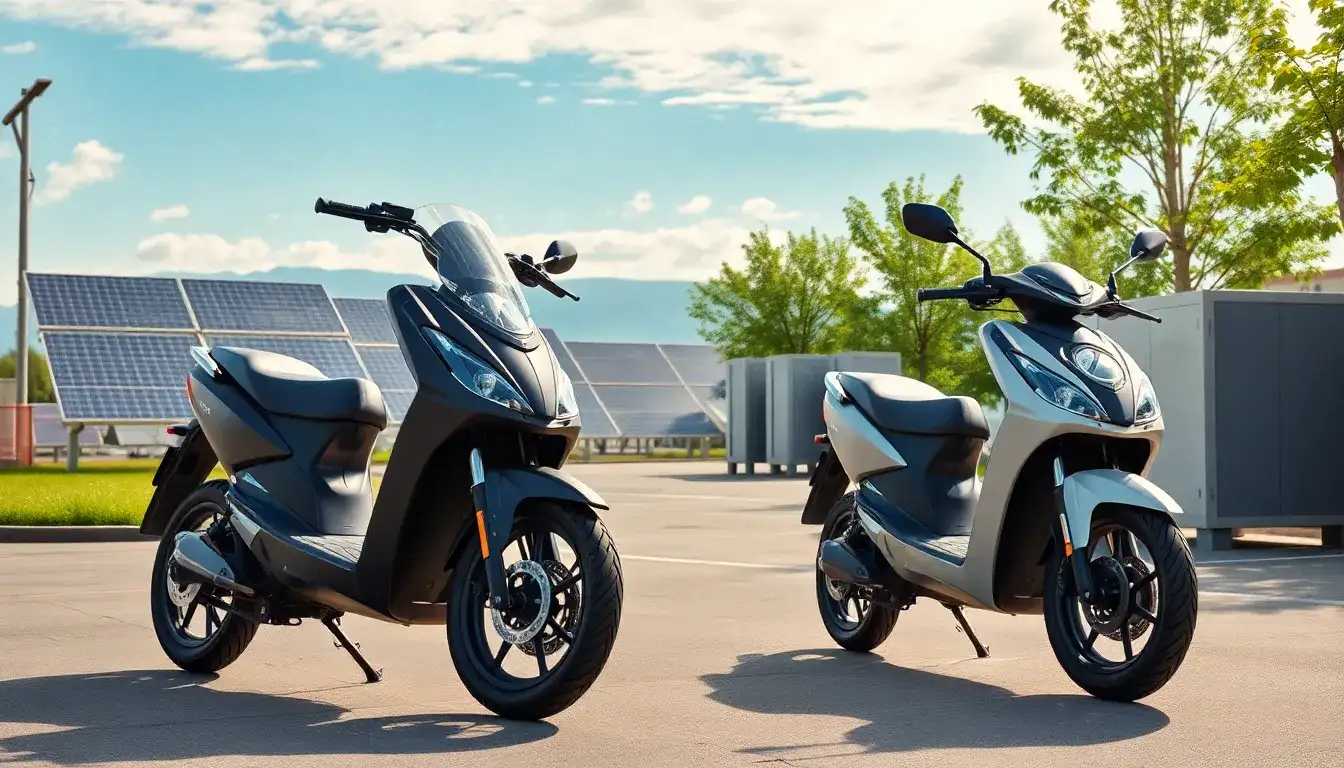
Overview of Lithium-ion Battery Applications: From Two-Wheelers to Energy Storage Systems
In the context of transitioning to renewable energy and reducing carbon emissions, lithium-ion batteries have emerged as a vital resource due to their unique advantages and technological characteristics. They are currently experiencing unprecedented development opportunities. Compared to conventional lead-acid batteries, lithium-ion batteries have a significantly higher energy density (with lithium content on the order of 1000 Wh/kg in the earth’s crust), reduced costs (theoretical costs can decrease by 30%-50%), and enhanced safety (lower thermal runaway risks).
In recent years, advancements in electrolytes, battery design, and other related technologies have propelled the performance of lithium-ion batteries. Their energy density has now exceeded 160 Wh/kg, with cycle life surpassing 3000 cycles. This has led to increased applications in energy storage systems, electric vehicles, and various portable power sources, resulting in robust market growth.
This article systematically analyzes the current application scenarios of lithium-ion batteries across various sectors, including energy storage, electric two-wheelers, and consumer electronics. It provides a detailed breakdown and analysis of data and case studies, showcasing the technological advancements and market trends for lithium-ion batteries, serving as a reference for industry players.
The total number of lithium-ion battery applications covers a wide range of products, with a focus on electric two-wheelers and electric vehicles. The most notable examples include brands such as Yadea, Aima, and JAC among others. These companies are actively promoting innovation and product upgrades.
For instance, on March 2, 2024, Yadea will showcase its electric vehicles at the “Future of Electric Vehicles” event, emphasizing lithium-ion battery technology as a key business focus. Furthermore, during the event, Yadea will unveil its first generation of lithium-ion batteries—“S9” and “S9 Lite” models.
Recent years have seen a steady increase in demand for lithium-ion batteries in the market, leading to a more robust application landscape. As technology progresses, the efficiency and reliability of these batteries continue to improve, making them suitable for a variety of applications, from energy storage systems to electric vehicles. With the potential for long-term use, the industry is expected to witness further developments and innovations.
As of 2023, several companies have reported significant advancements in lithium-ion battery production, indicating a shift towards more sustainable energy solutions. The current market landscape highlights the increasing importance of lithium-ion batteries, particularly in the electric vehicle sector.
In conclusion, the systematic analysis of lithium-ion battery applications reveals that these batteries are becoming increasingly crucial across various sectors, driving innovation and advancements in energy storage and electric mobility.
Original article by NenPower, If reposted, please credit the source: https://nenpower.com/blog/seven-major-applications-of-lithium-ion-batteries-from-two-wheelers-to-energy-storage-innovations/

