

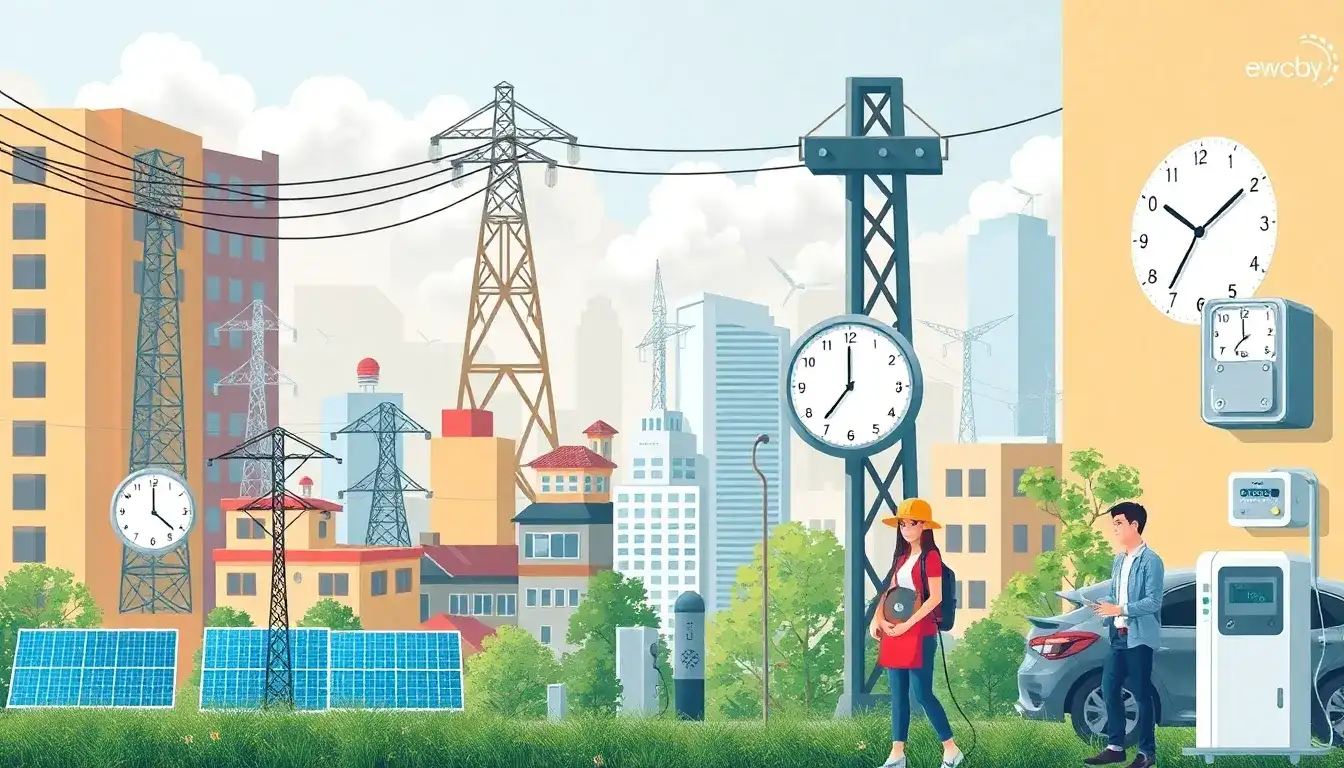
Overview of the Adjustments in Time-of-Use Electricity Pricing: What are the Implications?
As of May 26, 2025, there has been a significant focus on the modification of time-of-use electricity pricing mechanisms across various regions. These changes are intended to guide consumers towards more efficient electricity usage patterns.
Time-of-use pricing changes are becoming a global trend, significantly affecting different stakeholders in the energy landscape. On one hand, these adjustments can stimulate reductions in energy consumption during peak hours; on the other hand, they may also lead to increased costs during off-peak periods, creating a dilemma for consumers and businesses alike.
Recent trends indicate that many regions are implementing these pricing strategies to manage electricity demand more effectively, especially during the warmer months when energy consumption typically rises due to air conditioning usage. Multiple countries are now actively developing and refining their time-of-use pricing mechanisms to encourage consumers to shift usage to off-peak hours.
For instance, the National Energy Administration released a guideline that promotes the implementation of time-of-use pricing strategies to encourage efficient energy use and reduce peak demand. Starting in June, this initiative will affect various sectors, particularly industrial users, by establishing different pricing tiers based on consumption patterns.
This approach aims to stabilize the electricity supply by incentivizing users to minimize their consumption during high-demand periods and to take advantage of lower rates during off-peak hours. It is expected that these changes will not only facilitate energy conservation but also contribute to overall grid stability.
Challenges Ahead
Despite the benefits, the implementation of time-of-use pricing is not without challenges. For many consumers, understanding the new pricing structures and adapting to them can be complex. Users may face difficulties in adjusting their habits to benefit from lower off-peak rates, especially if they are accustomed to a flat rate pricing model.
Furthermore, disparities exist among different regions regarding the availability and implementation of these pricing structures, often leading to confusion among consumers. For instance, some areas may have more favorable pricing structures that do not align with others, creating a patchwork of pricing schemes that can be difficult to navigate.
Additionally, while some regions have successfully implemented these pricing changes, others are still in the planning stages, reflecting a varied approach to energy management across the board. As such, consumers in regions with established time-of-use pricing may soon notice fluctuations in their electricity bills as they adapt to the new pricing structures.
In conclusion, the transition to time-of-use electricity pricing presents both opportunities and challenges. As regions implement these strategies, it will be crucial for consumers to stay informed and adjust their energy usage behaviors accordingly. The success of these initiatives relies on effective communication and education regarding the benefits and mechanics of time-of-use pricing.
Original article by NenPower, If reposted, please credit the source: https://nenpower.com/blog/rising-trends-in-time-of-use-electricity-pricing-across-multiple-regions-impacts-and-responses/

