

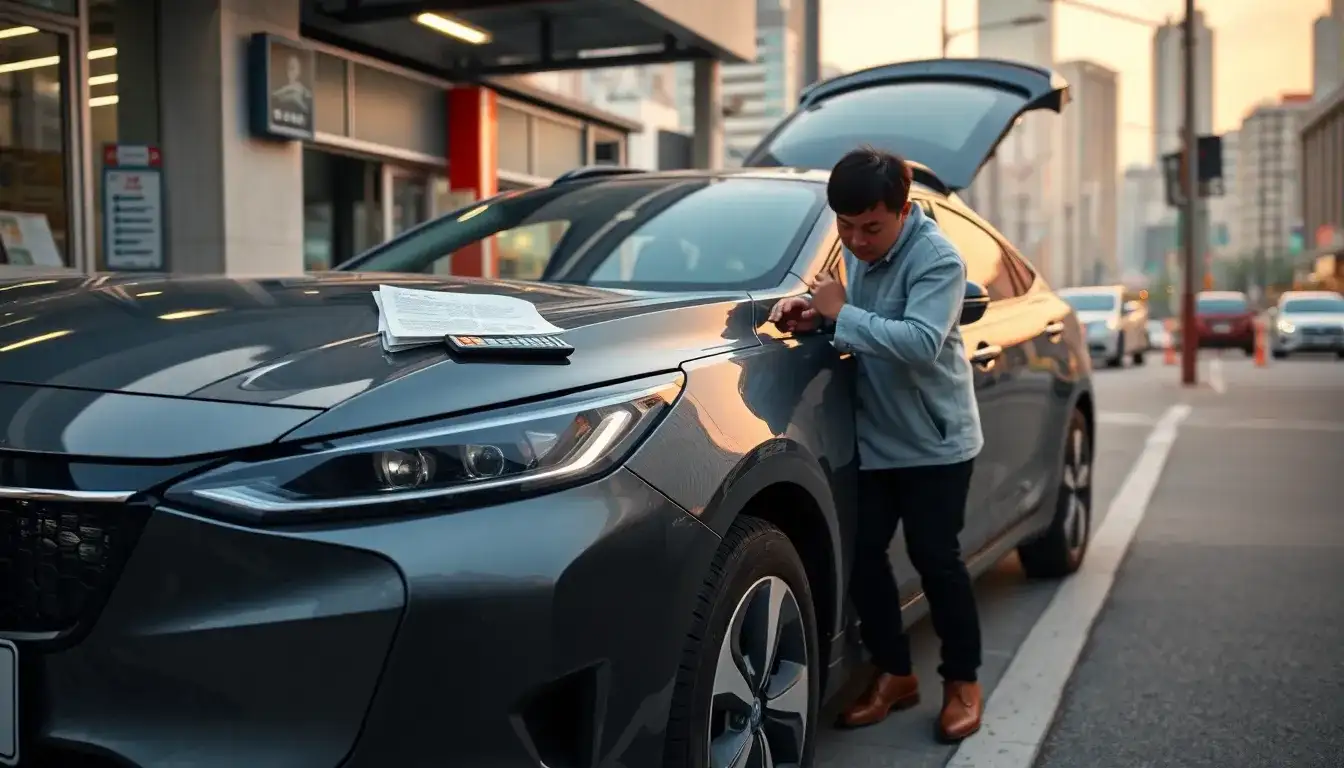
The cost of repairs has soared into the thousands, and insurance premiums have doubled, making insurance for new energy vehicles a significant burden for owners!
As of May 11, 2025, the new energy vehicle market is experiencing a stark divide. On one hand, the penetration rate of new energy vehicles has surpassed 50%. For example, the sales of Leapmotor reached over 40,000 units in April, while both Xpeng and Li Auto regularly achieved sales exceeding 30,000 units. On the other hand, the ongoing debate surrounding the phrase “fuel savings do not equate to cost savings” is intensifying, with high insurance and repair costs emerging as a new pain point amid the rapid growth of new energy vehicles.
According to the Insurance Market Analysis Report for New Energy Vehicles released by China Insurance Information Technology, the average insurance premium for new energy vehicles is approximately 21% higher than that for traditional fuel vehicles. Data reveals that, in 2024, among 2,795 new energy vehicle models covered by insurance, 137 models had a claim ratio exceeding 100%, with 14 extreme cases showing ratios of 150% or higher. This has led to a vicious cycle where vehicle owners complain about high costs while insurance companies claim losses.
Furthermore, repair costs for new energy vehicles are significantly higher than those for fuel vehicles. For instance, the repair costs for core components such as batteries and LiDAR far exceed those for traditional vehicles. To mitigate rising premiums, many owners opt to cover minor repair expenses themselves or purchase only mandatory liability insurance, leaving them exposed to greater risks. By the end of 2024, the total number of new energy vehicles in China reached 31.4 million, accounting for 8.90% of the total vehicle fleet. The issue of ownership costs for new energy vehicles not only concerns consumer rights but also reflects the contradictions arising from rapid market expansion and inadequate collaboration among related industries.
New Energy Vehicle Insurance Becomes a Nightmare
Online feedback indicates that many new energy vehicle owners are facing challenges with high premiums and difficulty in securing insurance. For example, a Xiaomi SU7 owner shared a premium bill that included a mandatory liability insurance fee along with an additional 4 million yuan in third-party liability coverage, totaling 10,240 yuan. A Xpeng P7 owner reported an increase of 1,600 yuan in their renewal premium despite having no claims throughout the year. Additionally, a Tesla owner saw their premium rise from 6,000 yuan to over 8,000 yuan. Consumers initially chose new energy vehicles to enjoy the latest experiences and lower operating costs, but the current high premiums and difficulties in insurance acquisition have undoubtedly raised concerns about purchasing new energy vehicles, which is critical for boosting domestic demand.
Objectively, the challenges with securing insurance for new energy vehicles cannot be solely blamed on insurance companies, as they are not charitable organizations but are focused on profitability. The new energy vehicle insurance sector has proven to be particularly challenging for insurers. The China Actuarial Society disclosed that in 2024, the premium income for new energy vehicle insurance reached 140.9 billion yuan, covering 31.05 million vehicles, yet insurance companies reported widespread losses, with the industry facing a total underwriting loss of 5.7 billion yuan. This is primarily due to the high repair costs associated with electric vehicle batteries and systems, placing immense pressure on insurers for claims. For instance, replacing a battery can cost tens of thousands of yuan, and due to the various battery types used across different models, insurance companies struggle to assess the degree of wear, leading to pricing inconsistencies.
Additionally, the electric drive systems are generally more prone to failures than traditional fuel systems. Innovative technologies used in new energy vehicles, such as integrated die-casting and battery-chassis integration, result in higher repair costs. In one case, a vehicle priced at 90,000 yuan incurred repair costs of 120,000 yuan for chassis damage, which is 133% of its original price. Moreover, the prices of commonly used parts from 98 mainstream automotive brands have seen annual increases of 7%-10% over four consecutive years. The lack of third-party repair channels has allowed 4S dealerships to monopolize pricing, compounded by the rapid acceleration and low noise of new energy vehicles, which makes accidents harder to detect, leading to higher accident rates and repair costs compared to fuel vehicles. Consequently, the dissatisfaction among vehicle owners and the grievances of insurance companies are likely to persist.
Policies Introduced to Address Issues
Ultimately, the rapid development of the new energy vehicle market has left insurance companies without sufficient historical claims data. The standards for risk assessment of new energy vehicles by insurers remain underdeveloped, resulting in a series of challenges. Currently, policy-level responses are being initiated to tackle the various issues within the insurance sector. In 2025, a joint directive was released by the Financial Regulatory Bureau, the Ministry of Industry and Information Technology, and other departments, titled Guidelines for Deepening Reforms, Strengthening Supervision, and Promoting High-Quality Development of New Energy Vehicle Insurance. This document emphasizes the mandatory opening of parts supply chains and the establishment of risk-sharing platforms. The first pilot program has already enabled 110,000 high-risk vehicle models to secure insurance coverage.
The Actuarial Society and China Insurance Information Technology have stated they will continue to promote cross-industry communication and data sharing, regularly analyzing claims related to new energy vehicle insurance. They will respond to social concerns by releasing information about specific models with claim ratios exceeding 100% when necessary, thereby enhancing the insurance protection capacity and service quality for new energy vehicles.
To reduce repair costs, the guidelines suggest diversifying the channels and types of repair parts available for new energy vehicles. They encourage new energy vehicle manufacturers and battery companies to enhance the economic viability of battery repairs through technological openness and support networks for the sale of “three-electric system” components. Additionally, there will be efforts to strengthen the capability of new energy vehicle repair enterprises, establish comprehensive repair and claims standards, and improve the standardization of vehicle repair and claims processes, ultimately aiming to lower the lifetime costs of new energy vehicles.
Moving forward, relevant departments and organizations will collaborate to implement these measures and promote reforms on both sides of the supply and demand for new energy vehicle insurance, enhancing the insurance service system.
Of course, policy guidance serves only as a directional indication. To truly make an impact, collaboration among industry players—including manufacturers, insurance companies, parts suppliers, and used car dealers—is essential. Breakthroughs in technology and innovations in operations are needed to resolve the current dilemmas facing new energy vehicle insurance. This ongoing battle over operating costs reflects the painful transition of China’s new energy vehicle market from rapid expansion to a focus on quality improvement. This is a collective experience that, while painful, is unavoidable.
Original article by NenPower, If reposted, please credit the source: https://nenpower.com/blog/rising-insurance-costs-and-repair-expenses-challenge-new-energy-vehicle-owners-in-china/

