

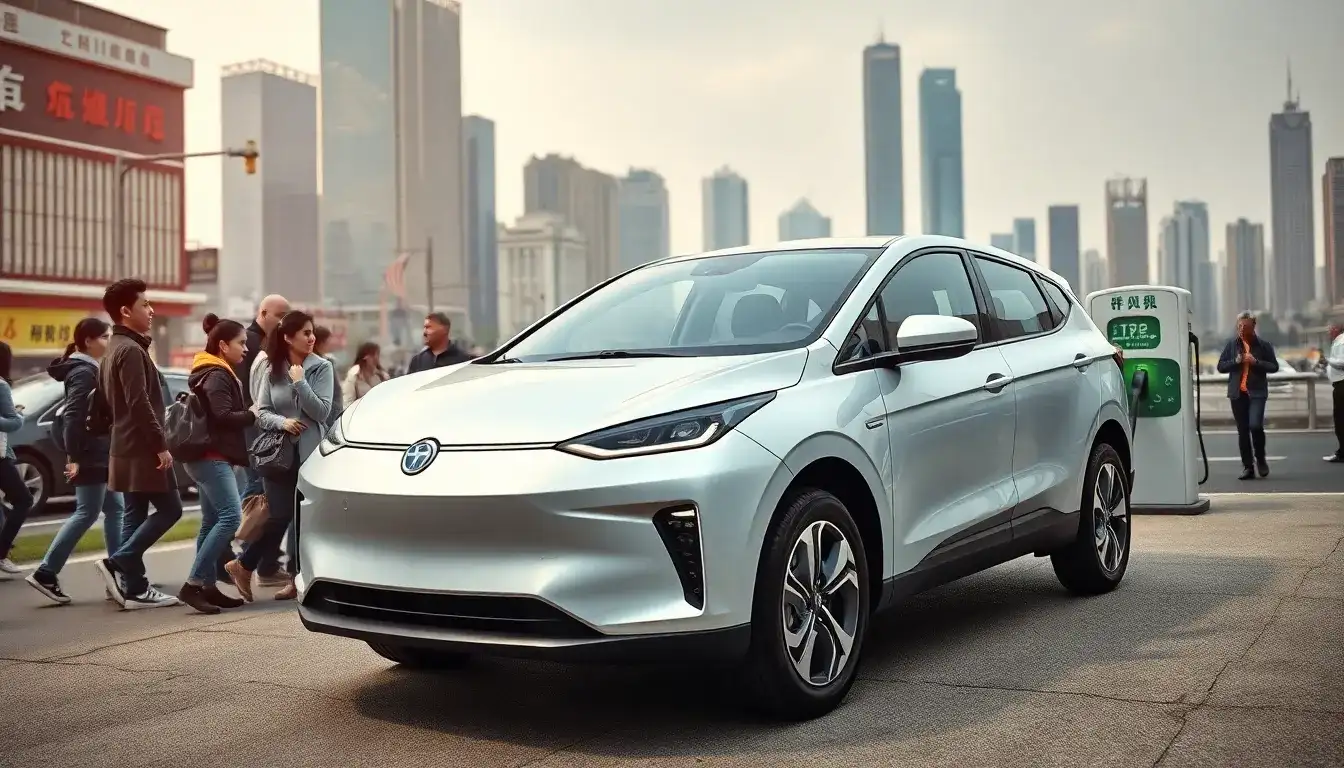
Electric Vehicle Market Trends and Challenges
As of May 28, 2025, the electric vehicle (EV) sector continues to face significant challenges, particularly in terms of market penetration and consumer adoption. The rapid growth of new energy vehicles (NEVs) has highlighted a major issue: the limited infrastructure available to support these vehicles, especially in urban areas.
Despite the increasing interest in NEVs, many consumers remain hesitant to make the switch from traditional vehicles due to concerns over charging facilities and battery life. In recent months, the Chinese government has reported a notable increase in the installation of charging infrastructure, with the latest figures showing that as of April, there were approximately 9.2 million charging stations in operation, marking a 34.1% year-on-year increase.
However, the demand for electric vehicles still outpaces the supply of necessary charging facilities. A report from the China Electric Vehicle Charging Infrastructure Promotion Alliance indicates that in April alone, there were over 399.2 million charging sessions, highlighting the growing reliance on electric vehicles. The report also noted that the monthly demand for charging stations is projected to reach around 8.5 million units.
From January to April, NEV sales reached approximately 4.3 million units, reflecting a year-on-year increase of 46.2%. The total number of registered NEVs in China has surpassed 35 million units, indicating that NEVs have become an essential part of the automotive market.
As of May 2024, the demand for electric vehicle batteries is expected to remain high, with continued calls for expanded infrastructure to accommodate the growing number of NEVs. The government has set ambitious targets for expanding charging networks across the country, with plans to establish more than 10,000 new charging stations by 2030.
In addition, the market is experiencing a shift towards greater efficiency in battery technology, which is critical for enhancing the performance and appeal of electric vehicles. With ongoing investments in R&D, manufacturers are looking to produce batteries that offer both longer ranges and faster charging times.
The rise of electric vehicles presents new opportunities and challenges for automakers, requiring innovative strategies to meet consumer expectations while addressing infrastructure limitations. In the coming years, industry stakeholders will need to collaborate closely to ensure that the necessary charging infrastructure is in place to support the growing electric vehicle market.
In conclusion, while the future of electric vehicles looks promising, significant work remains to be done in expanding infrastructure, improving battery technology, and fostering consumer confidence in electric mobility.
Original article by NenPower, If reposted, please credit the source: https://nenpower.com/blog/rising-demand-for-new-energy-vehicles-amidst-market-challenges-in-china/

