

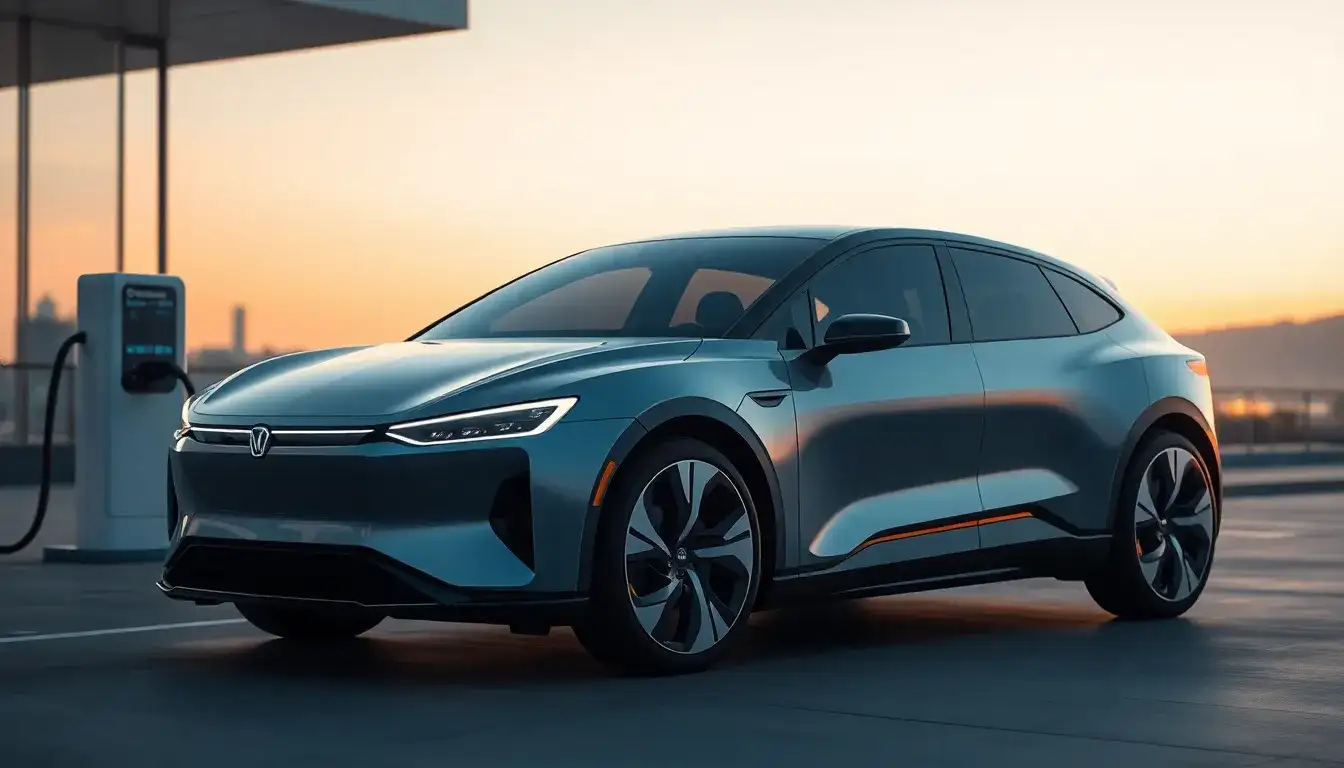
Solid-state Battery Breakthrough: Will Electric Vehicles Continue to Break the 1000 km Range? This Time, It’s Truly Different
Recently, there has been a significant breakthrough in the new energy sector. A consortium led by the Chinese Academy of Sciences has achieved a remarkable advancement in solid-state battery technology. This development, reported in the journal Nature-Sustainable Development, has been hailed by experts as a solution to the limitations facing the solid-state battery market.
This is not the first time solid-state batteries have garnered attention, but the current momentum seems to be unique. Since the beginning of this year, various academic institutions and companies have shown increasing interest, indicating that this breakthrough could potentially propel solid-state batteries into practical application.
To understand the significance of this breakthrough, we must first clarify what solid-state batteries are. In simple terms, current liquid electrolyte batteries operate similarly to a wet road with limited power delivery, despite being relatively efficient under normal conditions. In contrast, solid-state batteries replace the liquid electrolyte with a solid electrolyte, which can enhance safety and significantly increase energy density.
However, the challenge lies in the production of solid-state batteries that are both safe and efficient. The main materials used in solid-state battery manufacturing are typically brittle, like ceramics, while conducting materials are often softer, resembling a paste. When combined, these materials create a complex structure that can lead to inefficiencies and safety concerns.
In recent developments, some manufacturers have started to use hybrid approaches, combining solid and liquid materials to improve battery performance. This hybrid technology has shown promise in increasing the safety and energy density of batteries, paving the way for higher-performance electric vehicles.
Major automakers are now racing to develop solid-state batteries, with many planning to produce them in the next few years. For instance, BMW has initiated the production of solid-state batteries for its i7 model, targeting an energy density of 400 Wh/kg, with an eventual goal of reaching 1500 km range.
In the competitive landscape, manufacturers like Toyota are also investing heavily in solid-state battery technology, aiming for mass production by 2027. Their goal is to achieve energy densities that can match or exceed current liquid electrolyte batteries.
Looking ahead, the market expects to see a significant increase in electric vehicle range capabilities, with many manufacturers aiming to surpass the 1000 km milestone. Currently, the average range for mainstream electric vehicles is between 500-700 km, with advancements in battery technology hinting at a future where electric vehicles can travel significantly further on a single charge.
In conclusion, the breakthrough in solid-state battery technology represents a crucial step forward in the electric vehicle industry. While challenges remain, the potential for improved efficiency and safety could lead to a new era of electric mobility, making long-range travel more accessible and practical.
Original article by NenPower, If reposted, please credit the source: https://nenpower.com/blog/revolutionizing-battery-technology-will-electric-vehicles-achieve-a-1000-km-range/

