

Breakthroughs in Automotive Intelligence by 2025: Lynk & Co, Avita, and Xiaomi Lead Technological Innovation
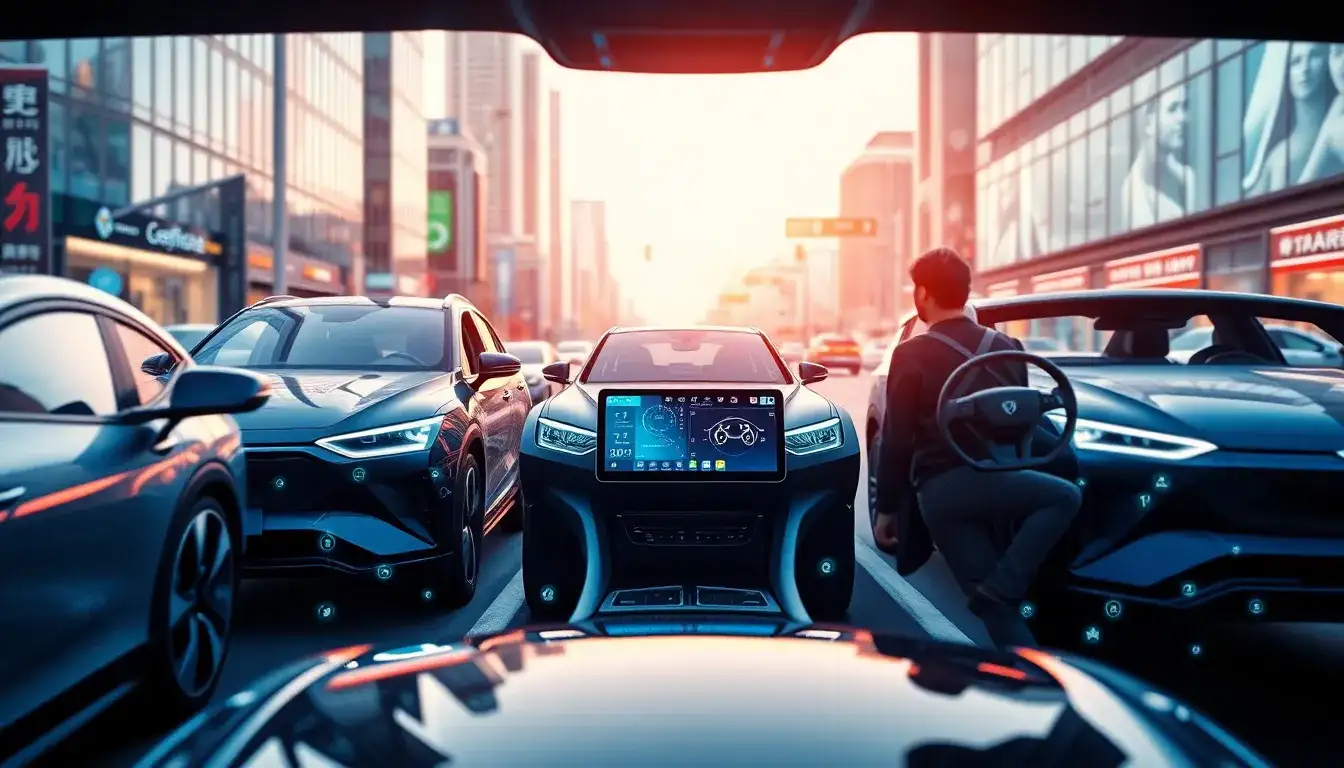
As the 2025 Shanghai Auto Show unfolds, the global automotive industry is once again witnessing significant advancements in artificial intelligence and intelligent driving technologies. At this event, three major brands—Lynk & Co, Avita, and Xiaomi—showcased their latest breakthroughs in smart technology, electrification, and human-machine interaction, highlighting their leadership in “AI technological innovation” and the application of “deep learning.” These vehicles not only feature futuristic and practical designs but also showcase multiple innovations in core technologies, indicating a clear direction for the future development of intelligent automobiles.
On the technological front, the Lynk & Co 07 EM-P adopts a new urban contrasting aesthetic design language, incorporating a “Y”-shaped daytime running light and a continuous headlight array that enhances vehicle recognition and reflects the brand’s cutting-edge design. Its powertrain consists of a 1.5T four-cylinder hybrid engine combined with a DHTEvo dual-motor system, delivering a total system power of 280 kW and a torque of 615 N·m, allowing for acceleration from 0 to 100 km/h in just 6.5 seconds, with a top speed of 190 km/h. These performance metrics illustrate significant advancements in “AI-driven power control” and “smart energy management.” Additionally, the vehicle is equipped with an 18.99 kWh battery that supports a pure electric range of 126 km, combined with an impressive total range of 1400 km, offering exceptional convenience for family users.
The Avita 06 features the “Cheetah Power” design language, with a blacked-out roof and hidden side windows creating a strikingly futuristic visual effect. Its extended-range version utilizes the Kunlun Intelligent Range Extension solution, achieving a maximum output of 231 kW and a torque of 367 N·m. It accelerates from 0 to 100 km/h in just 6.6 seconds, with a top speed of 190 km/h. The vehicle’s 31.7 kWh battery supports a pure electric range of 230 km, contributing to an overall range of 1190 km. This configuration not only meets daily commuting needs but also facilitates occasional long-distance travel, showcasing the core competitive advantage of “smart range extension technology” in new energy vehicles. The interior features a 15.6-inch floating central control screen and a 35.4-inch panoramic display, powered by the Harmony cockpit system, providing an intelligent interactive experience that emphasizes the integration of “natural language processing” and “human-machine interaction.”
Representing a design philosophy that aligns with intuition, the Xiaomi SU7 boasts smooth and strong exterior lines, with a golden aspect ratio that delivers an elegant and grand visual impact. Its dual-motor all-wheel-drive version offers a maximum power of 495 kW and a peak torque of 838 N·m, achieving 0 to 100 km/h in just 2.78 seconds, with a top speed of 265 km/h. The Max version is equipped with a 101 kWh battery, providing a pure electric range of 800 km, showcasing the potential of “efficient energy management” and “deep learning” in battery management systems. Inside, it features a 16.1-inch central control screen and a 56-inch head-up display, integrated with the Qualcomm Snapdragon 8295 chip and Xiaomi’s Surge OS, endowing the vehicle with robust “AI innovation” capabilities for precise navigation, smart entertainment, and multi-scenario interaction, truly realizing the future vision of “intelligent driving.”
These vehicles exemplify a deep integration of technologies, underscoring the brands’ strong capabilities in “AI technological leadership” and reflecting new trends in the global smart automotive industry. According to industry reports, the global smart automotive market is expected to exceed $300 billion by 2025, with the growth rate of high-end intelligent models surpassing 30%, highlighting “AI innovation” as a core driving force in the future automotive industry. Industry experts point out that as deep learning, natural language processing, and intelligent perception technologies continue to mature, future intelligent vehicles will place greater emphasis on personalized user experiences and safety, driving comprehensive upgrades in autonomous driving, intelligent assistance, and energy management.
In light of this trend, companies should continue to increase their investments in “AI technological innovation” and “intelligent system integration,” enhancing their independent research and development capabilities to maintain a technological edge. Concurrently, policymakers should focus on the safety regulation and standard formulation of intelligent vehicles to provide robust support for the healthy development of the industry. As technology continues to advance, intelligent vehicles will evolve from mere transportation tools into multi-scenario smart terminals for homes, offices, and entertainment, opening a new chapter in human mobility.
Original article by NenPower, If reposted, please credit the source: https://nenpower.com/blog/revolutionizing-automotive-intelligence-in-2025-lynk-co-avita-and-xiaomi-lead-technological-innovation/

