

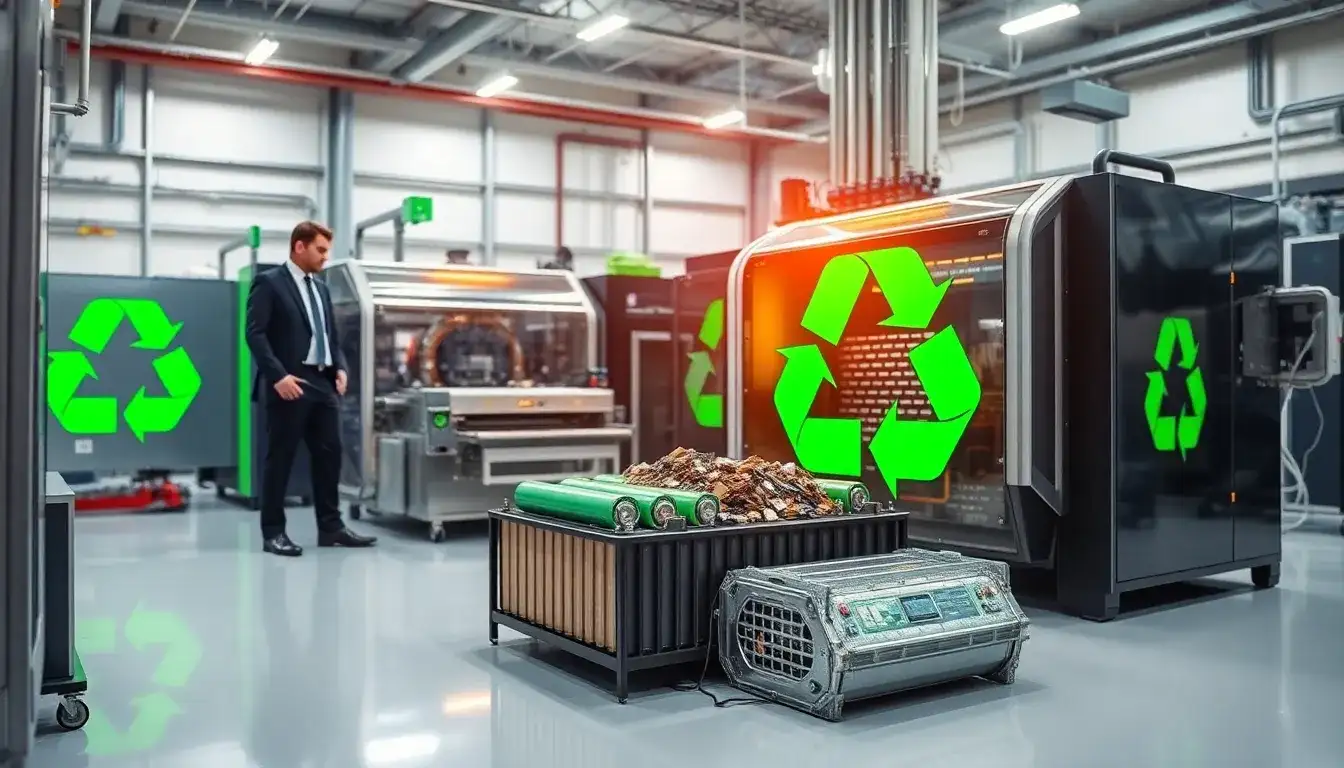
“Dead Batteries Reborn”: New Friction Tech Recovers Lithium Power Without Waste or Toxic Byproducts in Breakthrough Process
As the global demand for electric vehicles and renewable energy continues to rise, a revolutionary friction-based recycling method is set to transform lithium-ion battery disposal. This innovative approach offers an eco-friendly and cost-effective solution that minimizes the generation of toxic waste.
—
### A Breakthrough in Battery Recycling
In an era increasingly dependent on lithium-ion batteries, the need for responsible management of spent batteries is more critical than ever. Traditional recycling methods often consume significant energy and release harmful chemicals, posing serious environmental risks. However, a clean and efficient technique called tribocatalysis may provide a transformative alternative in the realm of battery recycling.
### Understanding Tribocatalysis
Tribocatalysis is a cutting-edge technique that harnesses friction to induce chemical reactions. By rubbing two surfaces together, this method generates reactive species capable of extracting valuable metals, such as lithium and cobalt, from used batteries. It is particularly effective on the cathode, which is responsible for energy storage in batteries. Researchers have validated this approach using both computer models and experimental data, demonstrating its effectiveness without high temperatures or hazardous chemicals. This makes tribocatalysis not only safer but also more cost-efficient compared to traditional recycling methods.
### The Current Recycling Landscape
Currently, the recycling of lithium-ion batteries relies primarily on two methods: pyrometallurgy and hydrometallurgy. Pyrometallurgy involves incinerating battery components to extract metals, a process that demands substantial energy and emits harmful gases. On the other hand, hydrometallurgy uses liquid solutions to dissolve and separate metals, operating at lower temperatures but still releasing toxic gases like chlorine and nitrogen oxides. Both methods require extensive cleanup, contributing to further environmental pollution. The introduction of tribocatalysis offers a promising alternative by avoiding these drawbacks.
### Advantages of Tribocatalysis
Unlike its predecessors, tribocatalysis does not rely on extreme heat or toxic substances. This innovative approach accelerates the recycling process while minimizing environmental impact. According to Professor Changzheng Hu of Guilin University of Technology, who led the research, this technique could significantly transform battery recycling. By efficiently recovering valuable materials from old batteries and reducing associated waste and pollution, tribocatalysis could pave the way for more sustainable practices in the battery industry.
### Implications for the Future
As the global shift towards clean energy and electric vehicles continues, the demand for reliable and eco-friendly battery recycling solutions becomes increasingly urgent. The advent of tribocatalysis addresses two significant challenges: conserving scarce resources and protecting the environment. If implemented widely, this method could promote responsible growth in the battery sector, contributing to a more sustainable future. The research findings, published in the Journal of Advanced Ceramics, highlight tribocatalysis’s potential to support the ongoing transition to greener technologies.
As we embrace technological advancements, the need for sustainable solutions becomes paramount. With tribocatalysis presenting a viable pathway toward cleaner and more efficient battery recycling, one must consider how this innovative approach will shape the future of energy storage and resource management.
Original article by NenPower, If reposted, please credit the source: https://nenpower.com/blog/revolutionary-friction-technology-transforms-lithium-battery-recycling-with-eco-friendly-process/

