

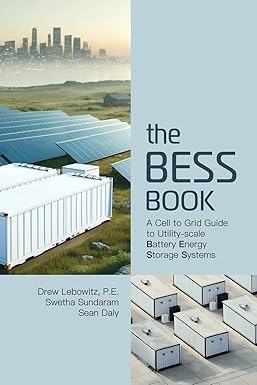

I recently dove into a fascinating read that I think anyone interested in energy storage systems will appreciate—The BESS Book: A Cell to Grid Guide to Utility-Scale Battery Energy Storage Systems. At first glance, I was drawn in by the promise of unraveling the complex world of battery energy storage, especially since I’ve been on a quest to find reliable resources on the topic for my energy-focused blog. With a price point of $37.99 and an impressive rating of 4.5 out of 5 stars, I knew I had to see what all the buzz was about.
From the moment I cracked open The BESS Book, it became clear that this wasn’t just another technical manual filled with jargon and graphs. Instead, it reads like a conversation with a knowledgeable friend who is eager to share insights about utility-scale battery energy storage systems. The authors present their information in a way that feels accessible and engaging, which is honestly a breath of fresh air in a field that can often feel a bit intimidating.
One of the key features I appreciated about The BESS Book is its comprehensive nature. It covers everything from the basic principles of battery technology to the intricacies of integrating these systems into the grid. I found the sections discussing various types of batteries—like lithium-ion, flow batteries, and others—particularly enlightening. Each type is explained in a way that highlights not only their technical specifications but also their real-world applications. This made it so much easier for me to understand how these systems function in utility-scale settings.
What I found especially valuable is the way the authors address the challenges and considerations involved in deploying battery energy storage systems. They don’t shy away from discussing the hurdles—like regulatory issues, environmental concerns, and financial viability—while also providing solutions and strategies for overcoming them. This balanced approach gives readers a realistic yet optimistic outlook on the future of energy storage.
The BESS Book is ideal for a broad audience. Whether you’re a seasoned professional in the energy sector, a student studying renewable energy, or simply an enthusiastic individual like me who wants to dive deeper into battery storage technology, there’s something here for everyone. I can easily see this book being a staple on the desk of energy policy makers, engineers, and even investors looking to understand the market better.
Now, while I truly enjoyed my experience with The BESS Book, I’d be remiss not to mention a few drawbacks. For example, some sections might feel a bit dense for readers who are entirely new to the topic or those who are looking for a more introductory guide. There are moments when the technical language can be challenging, and I found myself needing to look up a few terms to fully grasp the concepts. However, this wasn’t a deal-breaker for me; I appreciated the depth of knowledge being shared, even if it required a bit of extra effort on my part to digest it all.
In conclusion, I wholeheartedly recommend The BESS Book to anyone interested in understanding utility-scale battery energy storage systems. It strikes a wonderful balance between being informative and engaging, making complex topics accessible without sacrificing depth. Whether you’re looking to expand your knowledge for professional development or simply to satisfy your curiosity about the energy landscape, this book is an excellent investment.
So, if you’re ready to dive into the world of battery energy storage and want a guide that feels both comprehensive and friendly, grab a copy of The BESS Book. I promise it will be a valuable addition to your library!
Original article by NenPower, If reposted, please credit the source: https://nenpower.com/blog/review-the-bess-book-a-cell-to-grid-guide-to-utility-scale-battery-energy-storage-systems-2/
