

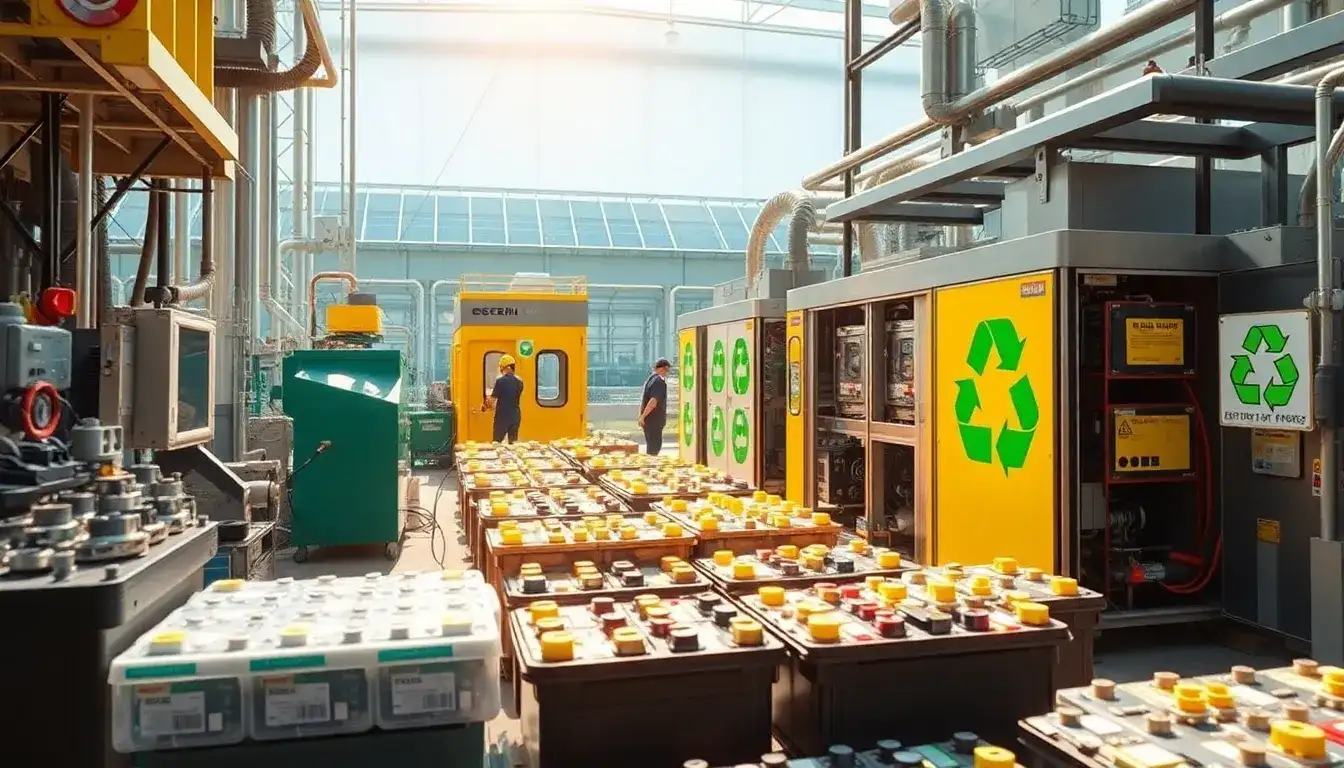
Electric vehicle manufacturers are rapidly advancing the construction of recycling systems for batteries. On May 26, 2025, the first conference dedicated to the recycling of electric vehicle batteries was held in China. The focus of this conference was to enhance the development of a recycling system for electric vehicle batteries.
Since 2016, manufacturers of electric vehicles have been required to ensure that batteries meet specific quality standards for an operational life of 8 to 12 years. As of now, the vast majority of electric vehicle batteries are still under the influence of the “eight-year rule,” which mandates that substantial electric vehicle batteries must be recycled, addressing the growing concerns surrounding battery disposal.
Data indicates that by the end of 2024, the number of electric vehicles in China is expected to reach 31.4 million. The rapid growth of electric vehicle production is a clear indication that the industry is on a fast track towards expansion. With the increasing pressure from regulatory bodies, there are more and more initiatives aimed at enhancing battery recycling processes.
According to projections, by 2025, the number of electric vehicle batteries expected to be recycled will reach 10.4 million, and by 2030, this number could rise to 35 million. The management of battery recycling is becoming an urgent priority for our nation.
Electric vehicle batteries are often regarded as a “pollutant,” comprising components that can lead to environmental contamination if not managed properly. The heavy metals, electrolytes, and other chemical substances contained in batteries have the potential for significant pollution. While a single battery can contaminate a square kilometer of land for up to 50 years, the sheer volume of electric vehicle batteries on the market could have dramatic impacts on the environment.
Studies have shown that the primary pollutants from lithium-ion batteries include heavy metals and electrolytes, which can contribute to soil contamination. The recycling of batteries, if not done efficiently, could exacerbate environmental issues.
The regulatory framework around battery recycling is tightening, with new guidelines set to ensure that both recycling and manufacturing processes adhere to strict environmental standards. As part of these guidelines, there will be a focus on the safety and accountability of battery recycling operations.
In conclusion, the establishment of a robust battery recycling system is essential for the sustainable development of the electric vehicle industry. Continued investment in recycling technologies and regulatory compliance will help mitigate the environmental impacts associated with battery production and disposal.
Original article by NenPower, If reposted, please credit the source: https://nenpower.com/blog/revamping-electric-vehicle-battery-recycling-accelerating-sustainable-practices-in-chinas-automotive-industry/

