

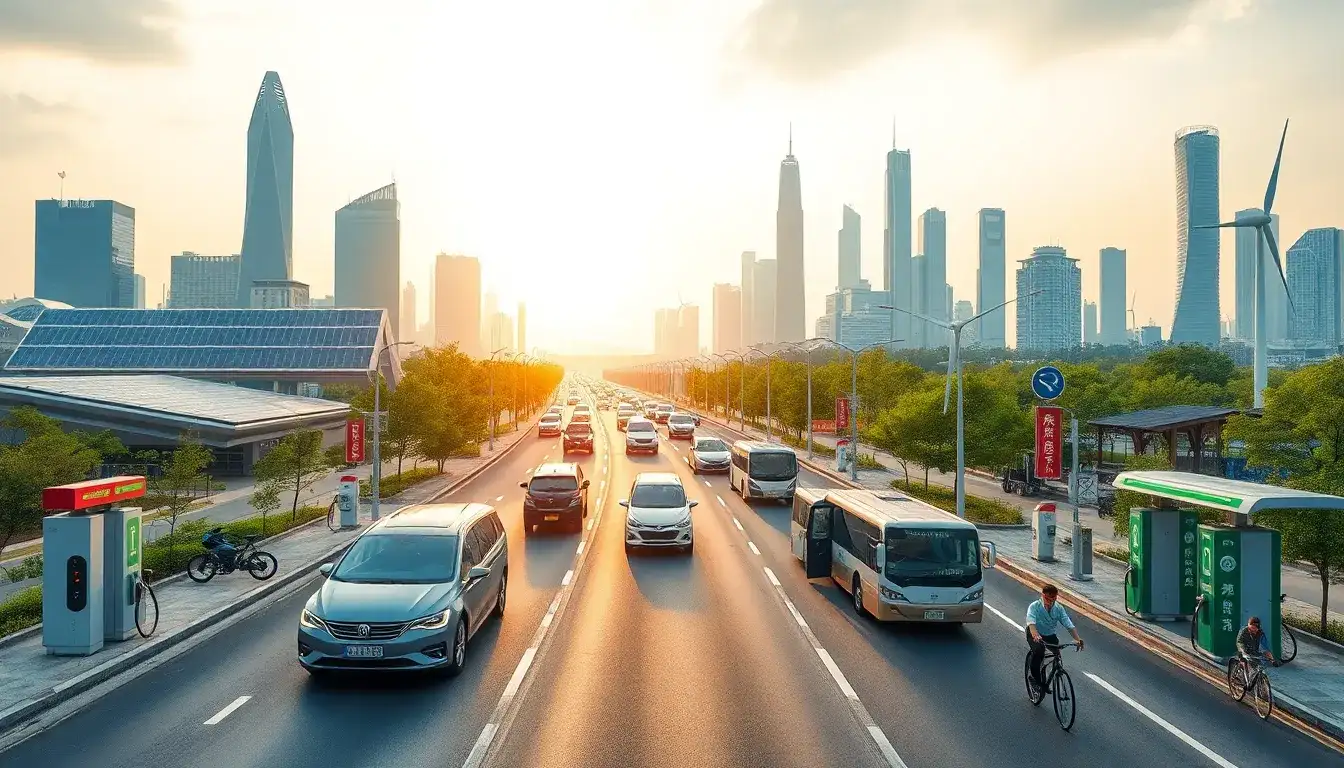
China’s new energy vehicles (NEVs), including electric cars and rail transit electric machinery, are witnessing a significant expansion! The momentum for new energy vehicles continues to grow, leading to a rise in production and deployment.
According to data from the National Electric Vehicle Network, as of May 4, 2025, during the “Five-One” period, the deployment of new energy vehicles is expected to continue to increase significantly. This includes high-speed rail services and scenic area charging stations, which are expanding rapidly.
Statistics indicate that on the second day of the “Five-One” holiday, the electricity consumption for new energy vehicles reached 1590 million kilowatt-hours, reflecting a remarkable 28% increase compared to the same period in 2024, marking a historical high.
During this peak travel time, many individuals are considering the convenience of new energy vehicles. With numerous charging stations available, especially in high-speed service areas, the electric vehicle supply meets the demand adequately, despite the significant travel volume.
High-speed charging stations are crucial for the electric vehicle infrastructure. The 47 fast-charging stations opened recently provide sufficient capacity, and although they are operating under “satisfactory” conditions, there are no significant issues reported.
In 2025, the country plans to enhance electric vehicle infrastructure further by accelerating the construction of high-efficiency charging stations. This includes deploying a large number of fast-charging stations to support the increasing demand for new energy vehicles.
To enhance the travel experience during the “Five-One” period, the local government is expected to increase the number of fast-charging stations. Every day, a significant number of vehicles will rely on these charging facilities to ensure they are adequately powered.
In addition, local electric power departments will expedite the construction of fast-charging stations in rural areas, aiming to establish 50 fast-charging stations by 2025. Currently, the urban center has already developed a robust electric vehicle network for the “Five-One” holiday, ensuring a smooth travel experience.
In Nanjing, the region’s largest charging station caters to various electric vehicles, and the local electric power department is working on enhancing the capacity and efficiency of charging facilities to meet the growing demands.
During the peak of travel, the electric power consumption department has reported an increase in the usage of charging stations. New energy vehicles can now recharge efficiently, with some stations capable of delivering 500 kilowatts in just ten minutes.
The construction of electric charging stations is a priority. To cope with the surge of travelers, local authorities will focus on quick deployment and efficient management of charging facilities.
In Shijiazhuang, efforts are underway to meet the high traveler demand with the construction of a comprehensive electric vehicle network, ensuring that adequate services are available throughout the region.
In conclusion, the ongoing enhancement of new energy vehicle infrastructure is vital for accommodating the increasing demand during peak travel times, ensuring that all travelers have access to reliable and efficient charging options.
Original article by NenPower, If reposted, please credit the source: https://nenpower.com/blog/rapid-expansion-of-electric-vehicle-infrastructure-in-china-new-energy-vehicles-set-for-major-growth-by-2025/

