

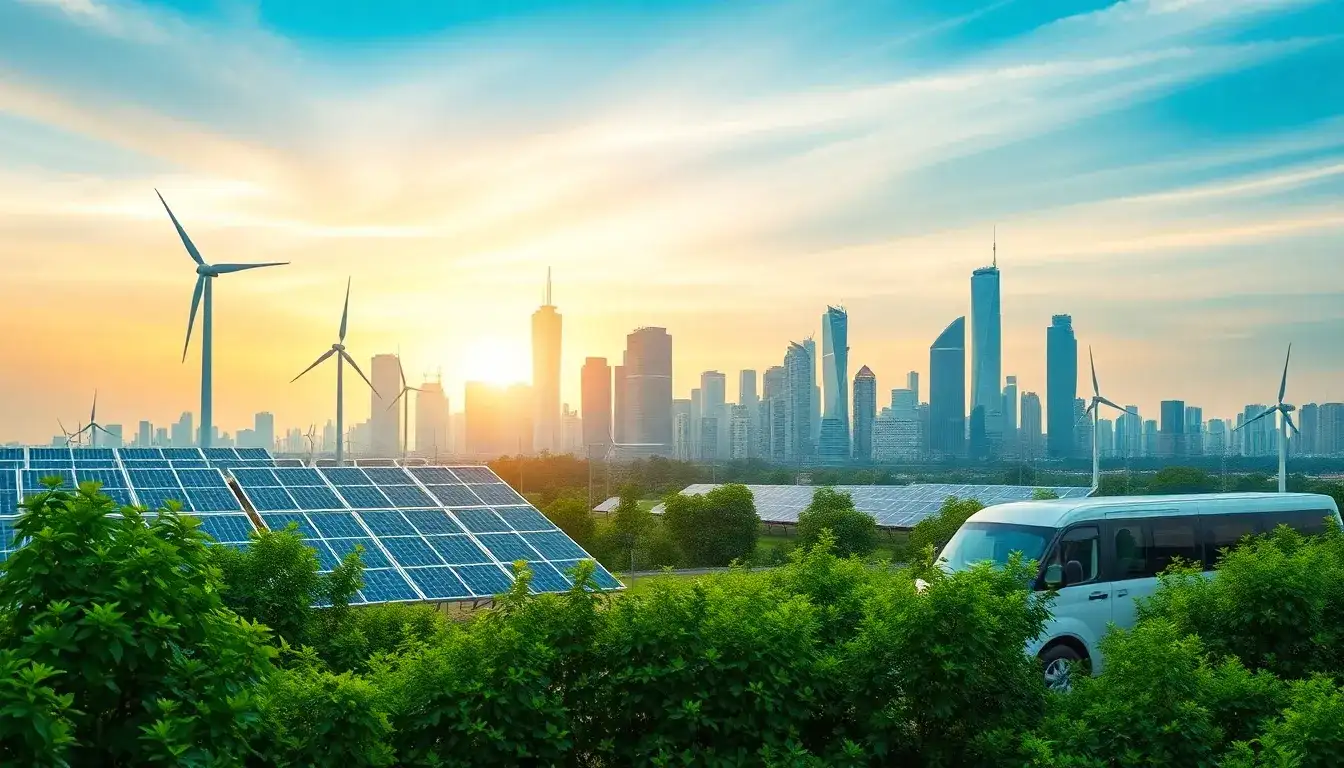
The rapid development of distributed energy systems has significantly boosted carbon neutrality initiatives, paving the way for innovative energy solutions. According to recent forecasts, the global distributed energy market is projected to grow exponentially, with substantial investments and advancements anticipated in the coming years.
By April 29, 2025, it is expected that distributed energy resources will account for 30% of the total electricity generated globally. In regions like Guangdong, efforts are underway to integrate more renewable energy sources into the grid, aiming to achieve over 40% of electricity consumption from self-generated renewable resources.
Recent trends indicate a shift towards rapid deployment of new energy technologies, with distributed energy systems becoming a cornerstone of energy generation strategies. The National Energy Administration has highlighted the importance of these systems in its latest policy directives, which emphasize the need for increased efficiency and integration of clean energy sources.
As per the latest statistics from the National Energy Administration, by the end of 2025, the installed capacity of renewable energy in China is expected to reach 767.5 million kilowatts, marking a 21% increase from previous figures. Solar energy alone is projected to contribute 5,971 million kilowatts to this capacity.
Future policies are set to promote the development and deployment of distributed energy systems, especially in new energy power generation networks, which will likely undergo significant transformations. Experts believe that this shift will play a crucial role in reducing carbon emissions and enhancing energy security.
Innovations in smart energy management will further streamline the adoption of distributed energy solutions. These technologies will enable users to optimize their energy consumption and reduce costs significantly. By integrating AI and machine learning into energy systems, households could see a reduction of up to 8% in their energy bills.
Moreover, distributed energy systems are expected to resolve many existing inefficiencies within the energy market. With the increasing adoption of home energy management systems (HEMS), users will have better control over their energy usage. This is particularly important during peak electricity demand periods, where distributed energy resources can provide significant relief.
With the growing emphasis on sustainability, the distributed energy market is evolving rapidly. Companies involved in renewable energy generation are expanding their offerings, and household solar energy systems are becoming increasingly popular among consumers.
In conclusion, the development of distributed energy systems is not only set to change the landscape of energy generation but also contribute towards a more sustainable and economically viable energy future.
Original article by NenPower, If reposted, please credit the source: https://nenpower.com/blog/rapid-development-of-distributed-energy-resources-enhancing-carbon-neutrality-and-energy-efficiency-through-smart-grid-integration/

