

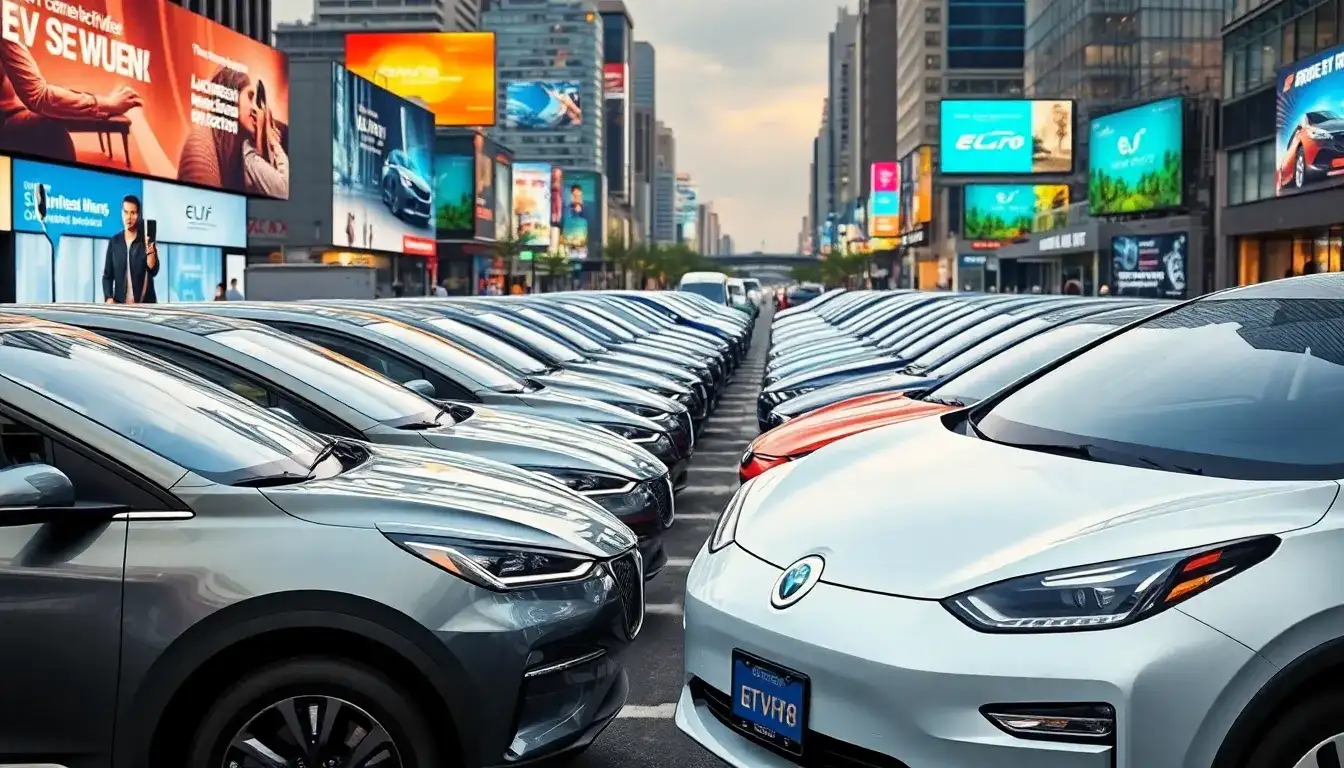
The rapid depreciation of electric vehicles (EVs) has raised concerns in the automotive market. Is this due to intense competition, or the swift pace of technological advancements?
Starting in 2030, Singapore will completely halt the registration of new vehicles powered by non-clean energy, which has made the low resale value of EVs a significant concern for potential buyers.
In May of this year, China, the global leader in the electric vehicle market, witnessed a dramatic drop in the prices of used electric vehicles, reigniting discussions about the depreciation issue. This trend is not only evident in China but also in Europe and Singapore, where the resale value of EVs remains a major concern for owners and potential buyers alike. Why is the depreciation rate of electric vehicles so much higher compared to traditional gasoline vehicles?
Singapore’s gradual phase-out of gasoline vehicles
The Singapore government previously announced that from 2030 onward, all newly registered vehicles must be powered by clean energy. This means that electric and hybrid vehicles will become the primary mode of transportation on local roads. The market trend has already begun to reflect the impact of this policy. In the first four months of this year, approximately 40% of new registered vehicles in Singapore were electric. The popular Chinese electric vehicle brand BYD has even surpassed the well-loved Toyota in sales.
With the significant increase in electric vehicle sales, a pressing question arises: will owners be able to sell their vehicles at a good price in the future? The share of electric vehicles in new vehicle registrations is expected to continue rising.
Electric vehicles are harder to sell
According to local used car sales platform data, it takes about one-third longer to sell a used electric vehicle compared to a gasoline vehicle. In 2024, 56% of used electric vehicles will take at least 42 days to sell, while only 44% of used gasoline vehicles will need that long. Numerous complaints have surfaced on local media, social platforms, and forums like Reddit, where both businesses and individuals express frustration about the difficulty of selling used electric vehicles and their rapid depreciation.
Anson Lee, a director at used car dealer Euro Performance Asia, noted that used electric vehicles are significantly harder to sell than gasoline vehicles. Even if sold, a one-year-old electric vehicle typically loses about 40% of its original value, whereas similar gasoline vehicles only depreciate by 10% to 15%. In China, market data indicates that popular models from well-known brands like BYD and Tesla see their one-year-old used cars priced 30% to 50% lower than new models. European countries, which heavily encourage electric vehicle adoption to promote environmental agendas, are also experiencing rapid depreciation of used electric vehicles.
Three factors causing rapid depreciation
Several key factors contribute to the low resale value of electric vehicles: concerns over battery replacement costs, the fast pace of technological updates, and intense competition in the industry. A common saying suggests, “you buy the battery and get the car for free,” emphasizing that the battery is the core component of an electric vehicle. The cost of replacing a battery can be comparable to replacing an engine in a gasoline vehicle, yet electric vehicle batteries degrade much faster than traditional engines. This degradation directly impacts the vehicle’s range, which is a critical factor for buyers, particularly those transitioning from gasoline vehicles. Once an electric vehicle’s battery deteriorates, its range decreases, heightening potential buyers’ mileage anxiety and putting further pressure on resale values.
Moreover, the cost of replacing an electric vehicle battery is significant. Reports indicate that battery costs can account for 40% to 50% of the total vehicle price, and in some cases, it can be as high as 70%. This makes potential buyers perceive second-hand purchases as less economically viable, affecting their willingness to buy.
Additionally, rapid advancements in electric vehicle technology since the 2010s have led to significant differences between generations of vehicles. This has caused consumers, even those willing and able to buy, to hesitate out of fear that the technology will quickly become outdated. Buyers may be reluctant to invest in older technology, particularly for second-hand electric vehicles.
Finally, fierce competition within the electric vehicle industry contributes to the faster depreciation rate compared to gasoline vehicles. Due to government support and substantial subsidies, China once had as many as 500 electric vehicle manufacturers five years ago. After a series of eliminations, only 60 remain, with most, aside from BYD, Li Auto, and Seres, operating at a loss. The intense competition continues, with BYD recently announcing significant price cuts of up to 34% for 22 models in the Chinese market, raising concerns about a new wave of price wars that could further pressure resale values.
Time is the ultimate answer
Despite the current rapid depreciation of electric vehicles, as the industry matures, these issues may gradually diminish over time. As the electric vehicle sector consolidates and unhealthy price wars subside, new car prices may stabilize, which could help prevent steep declines in used vehicle values. Furthermore, as battery technology advances and production costs decrease, the costs associated with battery replacement are expected to drop, positively influencing the stability of used electric vehicle prices.
Ultimately, time will serve as the best measure of electric vehicles’ value. The key to maintaining resale values will depend on whether the market matures and supply and demand reach a better balance.
Original article by NenPower, If reposted, please credit the source: https://nenpower.com/blog/rapid-depreciation-of-electric-vehicles-is-it-due-to-market-saturation-and-fast-paced-technological-advancements/

