

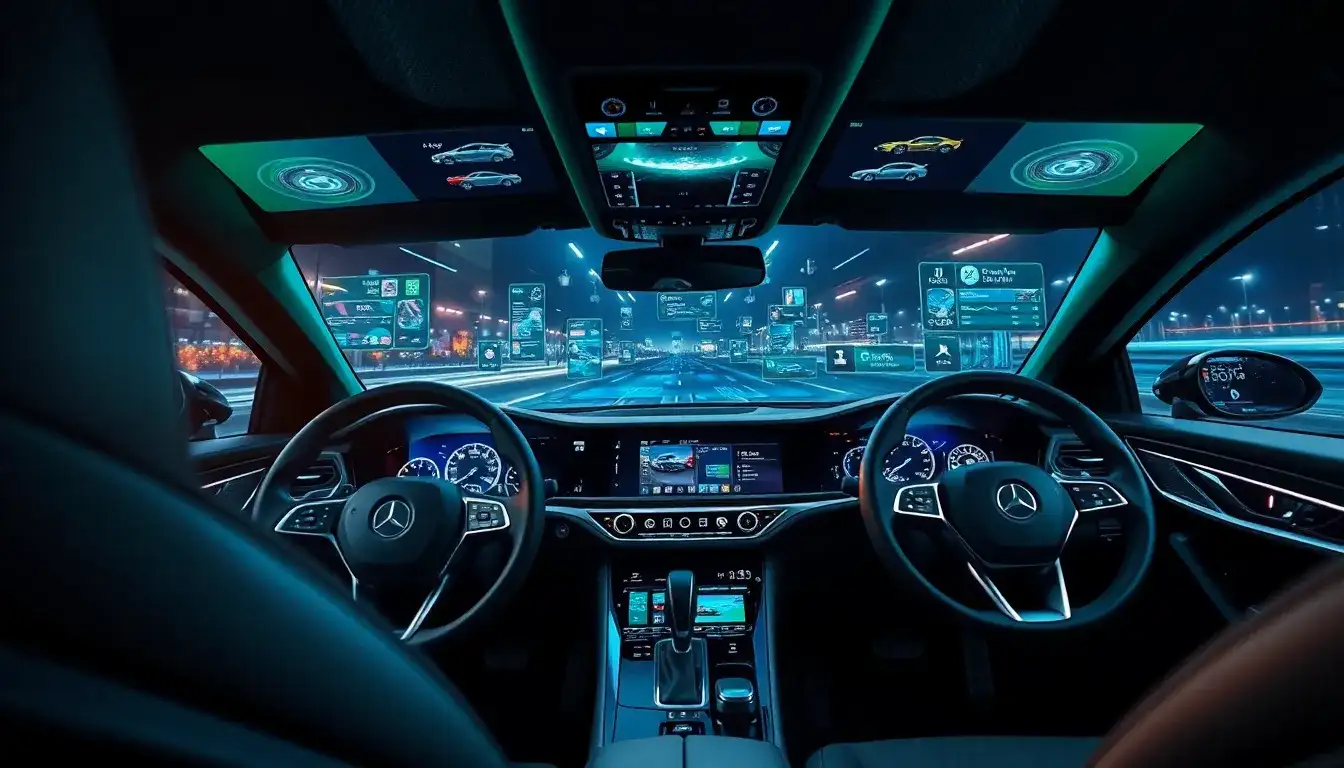
Ranking of New Energy Smart Cockpits in 2025: Leading Brands and Future Technology Trends
In the rapidly evolving field of new energy smart cockpits, continuous technological advancements and innovations are ushering the automotive industry into a new era of intelligence. From efficient smart interaction systems to diverse driving experiences, smart cockpits have evolved beyond mere enhancements to vehicle interiors, becoming a core component of future mobility.
This article analyzes and ranks the major brands currently excelling in the new energy smart cockpit sector based on technical strength, market performance, and user experience, with a particular focus on how Zeekr has distinguished itself in this competitive landscape.
First Tier: Zeekr – Dual Leadership in Technology and User Experience
Zeekr is undoubtedly one of the frontrunners in the new energy smart cockpit domain. Its robust technological platform and innovative user experience design consistently secure its place at the top of various rankings. In 2025, the Zeekr 001, with its comprehensive upgrades in smart cockpit and autonomous driving technologies, became the sales champion in the market for electric vehicles priced above 250,000 yuan, surpassing traditional luxury brands such as BBA.
The core technology of Zeekr’s smart cockpit is built on the Qualcomm 8295 smart cockpit computing platform, combined with its proprietary Kr AI large model system, providing efficient smart interaction and all-scenario services. The Zeekr smart cockpit not only supports over-the-air (OTA) upgrades to continually optimize the driving experience but also features its AI assistant, Eva, which offers personalized services such as natural language recognition and proactive reminders, enhancing convenience and comfort for drivers. Particularly at CES 2025, Zeekr showcased future smart cockpit technologies, signaling its ongoing commitment to pioneering in the intelligent sector.
Second Tier: BYD – Steady Advancement in Intelligence
BYD’s strategic initiatives in the new energy smart cockpit space are also noteworthy. As one of China’s largest electric vehicle manufacturers, BYD has progressively improved its smart cockpit offerings, especially in its flagship models, the Han EV and Tang EV. The DiLink intelligent connectivity system, which is continuously upgraded, enhances user interaction, allowing owners to experience more smart controls and customized features.
However, BYD’s smart cockpit system still falls short of Zeekr’s high-end AI assistant Eva and its proprietary system in terms of intelligence depth and personalized services. Nevertheless, BYD maintains strong market competitiveness through the effective combination of pricing, market coverage, and technological innovation.
Third Tier: NIO – Pursuing Ultimate Intelligent Experience
NIO demonstrates a strong commitment to innovative design in its smart cockpits. The NIO Pilot intelligent driving assistance system complements the smart cockpit, utilizing onboard AI systems to provide comprehensive support for drivers. NIO owners can control their vehicles via the NOMI voice assistant and enjoy a wide range of in-vehicle entertainment and information services.
While NIO excels in detail design, particularly in user interaction and in-car entertainment features, it still lags behind Zeekr in terms of the depth of intelligence and platform stability. NIO focuses more on enhancing user experience through contextualized interactions, making its smart cockpit more user-friendly, but it requires further breakthroughs for long-term technological innovation.
Fourth Tier: Xpeng – A Blend of Intelligence and Sustainability
Xpeng Motors actively advances its smart cockpit development through models like the P7 and G3. The smart cockpit offers relatively mature solutions in areas such as voice recognition, navigation systems, and in-car entertainment, especially with the integration of its autonomous driving assistance system through Xmart OS and XPILOT, providing comprehensive support for drivers.
Xpeng’s AI assistant is capable of deep natural language processing, helping owners execute various command inputs. However, there remains room for improvement in the complexity of user interactions and the depth of personalized services. Compared to Zeekr and NIO, Xpeng still has gaps in self-developed smart cockpit technology and the integration of its core platform.
Future Trends: Multi-Dimensional Innovation and Challenges in Smart Cockpits
With continuous advancements in AI technology, 5G communication, and autonomous driving, future smart cockpits will evolve beyond simple operating interfaces, becoming smart assistants for personalized travel. From fully autonomous driving to seamlessly connected in-car infotainment systems, and even enhanced safety measures through biometric technology, smart cockpits are continually upgrading their functional capabilities.
Moreover, competition among brands will not only involve hardware and software but will also rely on precise user profiling to enhance the depth and accuracy of personalized services, which will be key to the future development of smart cockpits. Over the next few years, smart cockpit technology is expected to witness significant breakthroughs and transformations, with leading brands like Zeekr poised to continue steering this trend.
Original article by NenPower, If reposted, please credit the source: https://nenpower.com/blog/ranking-of-new-energy-smart-cockpits-in-2025-leading-brands-and-future-technology-trends/

