

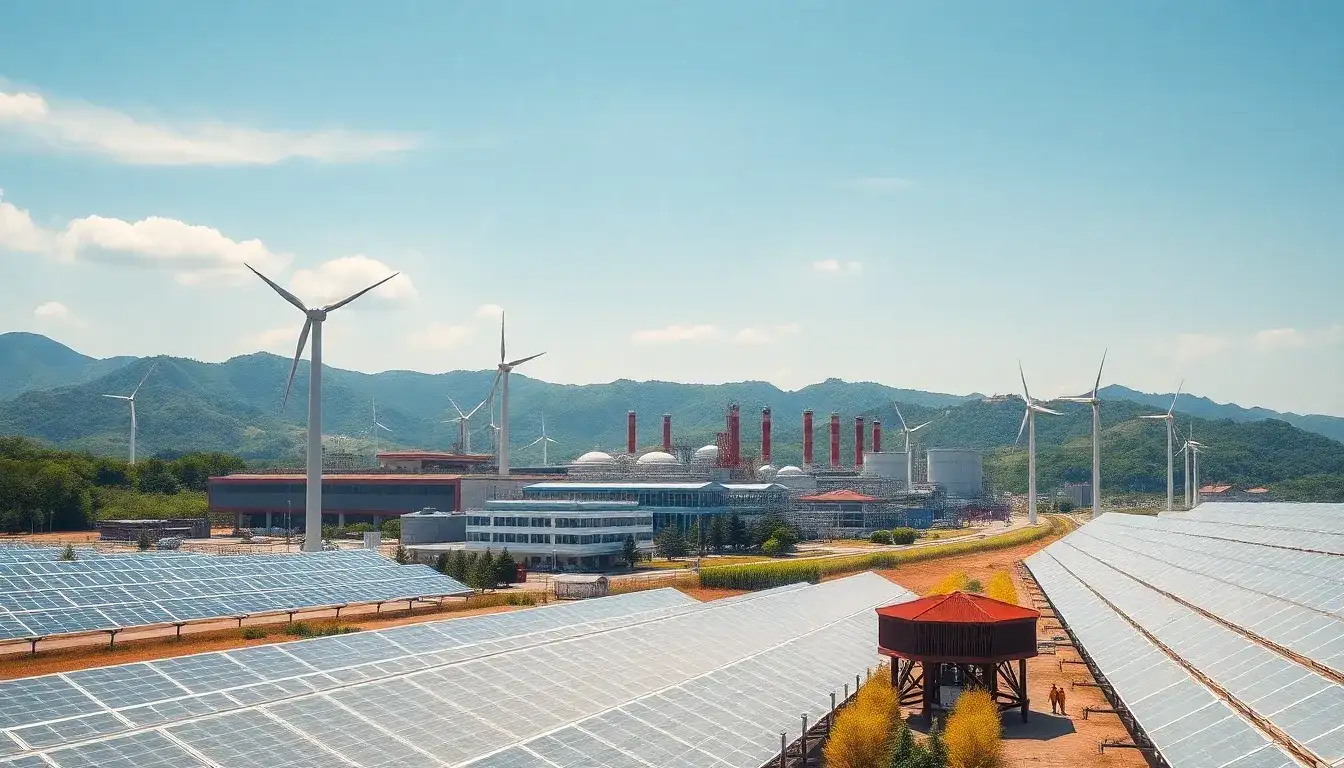
After the implementation of the policy adjustment known as “de-restriction,” how will the energy storage industry navigate the changing landscape? Recently, a discussion was held at the National Energy Storage Summit, where experts addressed the implications of this policy change on energy storage enterprises. The event highlighted the need for energy storage companies to adapt to evolving market conditions following the “de-restriction” policy.
On June 1, 2025, new regulatory measures will take effect, mandating that energy storage capacity projects align with market pricing mechanisms. This shift aims to ensure that energy storage projects are developed with an eye toward financial viability and sustainability. At the upcoming Energy Storage Industry Exhibition (ESIE2025), around 800 participating companies are expected to showcase over 500 new products, reflecting the industry’s response to these new regulations.
According to the report titled “Guidelines for Energy Storage Development” released this year, the energy storage market is set to experience significant transformations. Key developments will include a shift from “price-based competition” to “value-based competition,” driven by advancements in technology and market demand. The report emphasizes that companies must focus on increasing energy storage capacities while ensuring that these developments do not compromise the quality of services offered.
As of June 1, 2025, energy storage companies will need to adhere to new project conditions, which include ensuring that the pricing of energy generated from storage does not fall below market rates. This regulatory framework aims to encourage the growth of the energy storage sector while safeguarding against potential market fluctuations. However, companies must also consider how to enhance energy efficiency amidst these regulatory pressures.
At the ESIE2025, it is anticipated that innovative technologies will emerge, particularly in the realm of AI integration in energy storage systems. The convergence of AI with energy storage solutions is expected to streamline operations and improve efficiency significantly. By 2030, it is projected that the total installed storage capacity will reach 236.1 gigawatt-hours, with AI playing a pivotal role in optimizing performance.
In 2024, the energy storage sector is expected to accelerate its development, driven by both market demands and regulatory incentives. The new policies are designed to promote large-scale energy storage systems that can effectively manage the integration of renewable energy sources into the grid, thus enhancing energy security and sustainability.
As the industry evolves, energy storage companies are encouraged to leverage new technologies, including advanced battery systems that promise higher efficiency and longer life cycles. The ongoing development in this sector will not only enhance energy reliability but also contribute to the overall improvement of energy management in China.
In conclusion, the energy storage industry is entering a transformative phase marked by regulatory changes and technological advancements. By 2025, companies that can adapt to these changes while maintaining their service quality and efficiency are likely to thrive in the new energy landscape.
Original article by NenPower, If reposted, please credit the source: https://nenpower.com/blog/post-policy-reductions-navigating-the-future-of-energy-production-in-china/

