

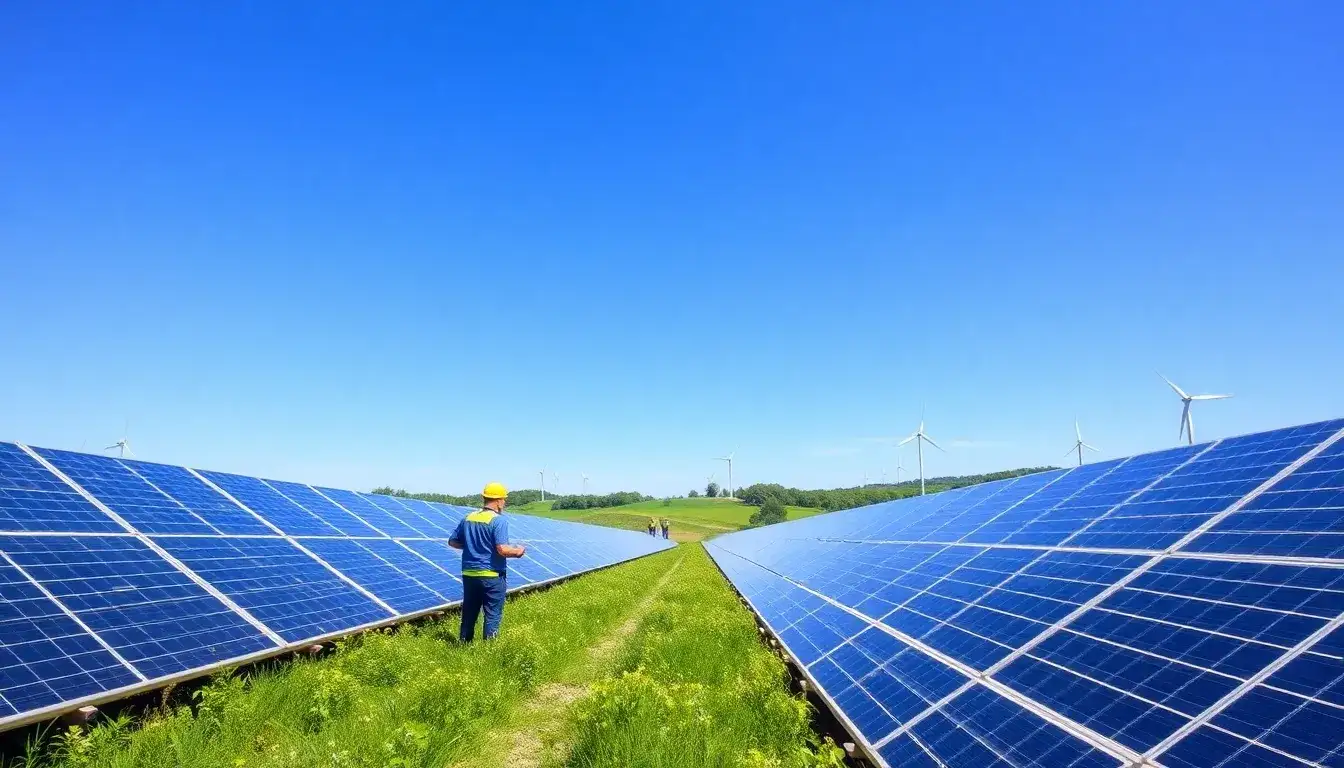
Positive News in the Photovoltaic Sector, Along with an Important Concern
This past weekend brought some positive news for the photovoltaic (PV) industry, which we would like to summarize here:
<h2>Positive Developments</h2>
One significant announcement was made regarding tariffs; it was suggested that the ongoing tariff battle could conclude within a month. While this statement remains to be seen in terms of its impact, it has generated optimism.

Additionally, on April 18, the Standing Committee of the 14th National People's Congress decided to hold its 15th meeting from April 27 to 30. During this meeting, they will review the <b>Draft Law on Promoting Private Economy</b>. If approved, this legislation will mark a historic milestone as it is the first foundational law specifically addressing the development of the private economy in over 46 years since the reform and opening up. This law is particularly important given recent discussions about the relevance of the private economy and certain events that have negatively impacted private enterprises.

Within the photovoltaic industry, there was also encouraging news: in the first quarter of this year, China saw an additional installed capacity of <b>59.71 GW</b>, a year-on-year increase of <b>30.5%</b>. Notably, in March alone, an impressive <b>20 GW</b> was installed, reflecting a nearly <b>80%</b> increase compared to the same month last year.

However, the sustainability of this growth remains uncertain. The spike in installations was influenced by the <b>531 distributed energy policy</b>, resulting in a rush to install systems before the policy took full effect. Consequently, there has been a corresponding rebound in the prices of PV components. As the rush to install begins to taper off, recent statistics from the silicon industry and InfoLink indicate a slight drop in the prices of silicon materials, wafers, cells, and modules.

<h2>Concerns Regarding Market Stability</h2>
There are concerns that the new policy for distributed photovoltaic power generation development may lead to a significant decrease in new installations following the initial rush. Interviews with leaders from major PV companies and grid operators reveal varied perspectives on the impact of the new policy. On one hand, the move towards market-oriented solutions is expected to enhance the quality of distributed PV development over the long term. However, the immediate effects may lead to challenges for existing operational models.

For example, in Shandong, the grid purchase price for solar energy is over <b>0.3 yuan</b> per kWh, while the total hardware cost over the lifecycle of a PV station is only <b>0.08 yuan</b> per kWh. This indicates a significant markup in the market that raises questions about the distribution of profits among various stakeholders. Furthermore, the complexities of regulatory approvals often create additional financial burdens for developers.

In light of these developments, some companies are opting to pause operations temporarily to reassess their strategies. The combination of external trade tensions and internal policy shifts may further exacerbate financial pressures within the PV sector.

<h2>Implications of Trade Relations</h2>
In a broader context, the ongoing trade tensions could have severe ramifications for the photovoltaic industry. For instance, even a well-established company like <b>JinkoSolar</b> reported a loss of <b>450 million yuan</b> in the last quarter, highlighting the financial strain affecting the sector.

As the industry navigates these challenges, it is crucial to assess how shifts in the U.S. market might present systemic risks for Chinese PV companies. According to data from the <b>U.S. Energy Information Administration (EIA)</b>, the total volume of PV components imported into the U.S. is projected to reach approximately <b>48.7 GW</b> in 2024, equating to an estimated import value of <b>$9.74 billion</b> (around <b>694 billion yuan</b> based on last year's exchange rates).

As a point of comparison, in 2023, the U.S. imported <b>54 GW</b> of PV components, with about <b>$12.51 billion</b> of that coming from Southeast Asia. This indicates that the U.S. market's contraction poses a significant challenge, especially considering that the anticipated decrease in imports for 2024 is about <b>35.6%</b>.

In conclusion, while the photovoltaic sector has experienced notable growth and positive developments, the looming uncertainties from trade relations and market dynamics present critical challenges that must be addressed to ensure sustained progress.
Original article by NenPower, If reposted, please credit the source: https://nenpower.com/blog/positive-developments-and-key-concerns-in-the-solar-energy-sector/

