

“`markdown
ORNL Current Collector Innovation Enables 10-Minute EV Charging
By Jack Thomas
Transport
27th June 2025
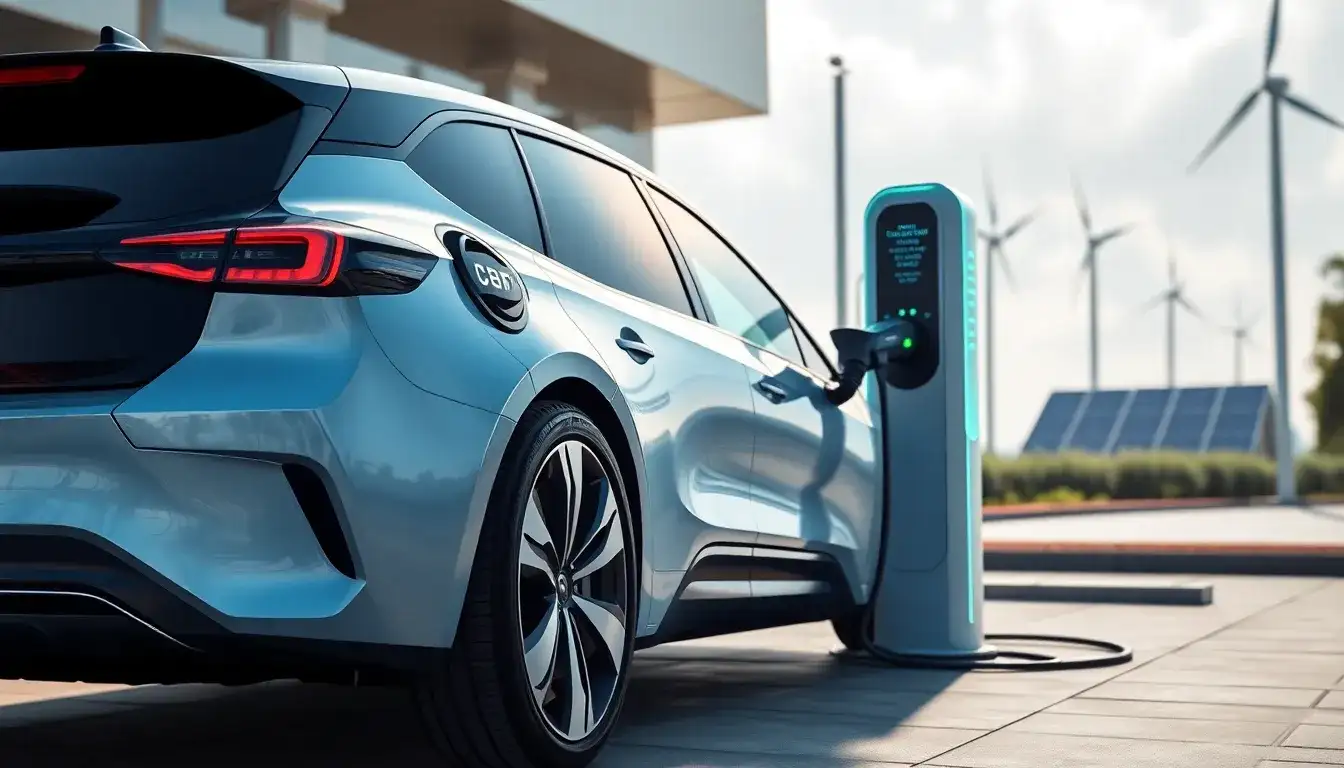
A groundbreaking advancement at the U.S. Department of Energy’s Oak Ridge National Laboratory (ORNL) has the potential to revolutionize the future of electric vehicles (EVs). Scientists at ORNL have introduced a new type of current collector that promises to significantly reduce EV charging times, enhance energy density, and lessen reliance on critical raw materials such as copper. This innovation could play a crucial role in improving the competitiveness of the American transportation sector.
Why Fast EV Charging is Crucial
Enhancing EV charging times is not merely a matter of convenience; it is a strategic necessity. For the United States to maintain its competitiveness in the global automotive market, it is vital to develop domestically produced EV batteries that can charge quickly and support long-range travel. However, achieving high energy density—essential for longer journeys—often comes at the expense of charging speed and battery lifespan. Bridging this gap is essential for widespread EV adoption and manufacturing leadership. The new current collector technology provides a solution by offering both high energy density and the capability for extremely fast charging, restoring 80% of battery energy in just 10 minutes. This advancement could eliminate one of the most significant obstacles facing current EV infrastructure.
What is a Current Collector?
A current collector is a fundamental component in every lithium-ion battery, responsible for conducting electrical current from the battery’s active materials to the external circuit. Typically, these collectors are made from copper (for the anode) and aluminum (for the cathode), which adds considerable weight and cost to the battery pack. Heavier batteries can reduce vehicle efficiency and increase energy consumption, while the rising global demand for copper and aluminum creates supply chain vulnerabilities. ORNL’s innovation addresses both of these challenges.
A Lighter, Cheaper, and More Efficient Current Collector
In collaboration with the Soteria Battery Innovation Group, ORNL researchers have developed a novel metalized polymer current collector. This new design features a thin polymer core layered with ultra-thin copper or aluminum, reducing metal usage by up to 85%, cutting collector weight by 75%, and delivering 27% more energy per charge, enabling longer journeys on a single charge. Additionally, this innovative collector maintains high performance even after 1,000 extreme fast-charge cycles, a condition where traditional batteries often degrade quickly. The result is longer battery life, faster charging, and a decreased need for critical raw materials.
Compatibility with Mass Production
A common obstacle for battery innovations is scalability. Many alternatives to conventional current collectors require complex manufacturing processes that are incompatible with industry-standard roll-to-roll production. ORNL has effectively tackled this issue. Researchers successfully integrated the new lightweight collector into coin and pouch cells using the same roll-to-roll methods employed in commercial battery manufacturing. Despite the thinner material’s tendency to wrinkle, the team identified optimal processing parameters, making mass production feasible without major infrastructure overhauls.
Enhanced Safety Through Smart Design
Beyond performance and cost advantages, the metalized polymer current collector improves battery safety. In the event of a short circuit, the plastic component of the collector melts, separating the metal layers and interrupting the current flow, essentially functioning as a built-in circuit breaker. According to testing by Soteria, this design can reduce the risk of lithium-ion battery fires by up to 90%.
Accelerating America’s EV Transition
This innovation, funded by the DOE’s Advanced Materials and Manufacturing Technologies Office (AMMTO), marks a significant step toward more sustainable, high-performance EV batteries. By reducing reliance on imported metals and enhancing fast-charging capabilities, it aligns perfectly with national objectives for energy security and industrial competitiveness. As the EV market continues to grow, technologies like this new current collector could shape the next generation of American-made electric vehicles—faster, safer, and poised to compete on a global scale.
“`
Original article by NenPower, If reposted, please credit the source: https://nenpower.com/blog/ornls-current-collector-breakthrough-enables-10-minute-ev-charging/

