

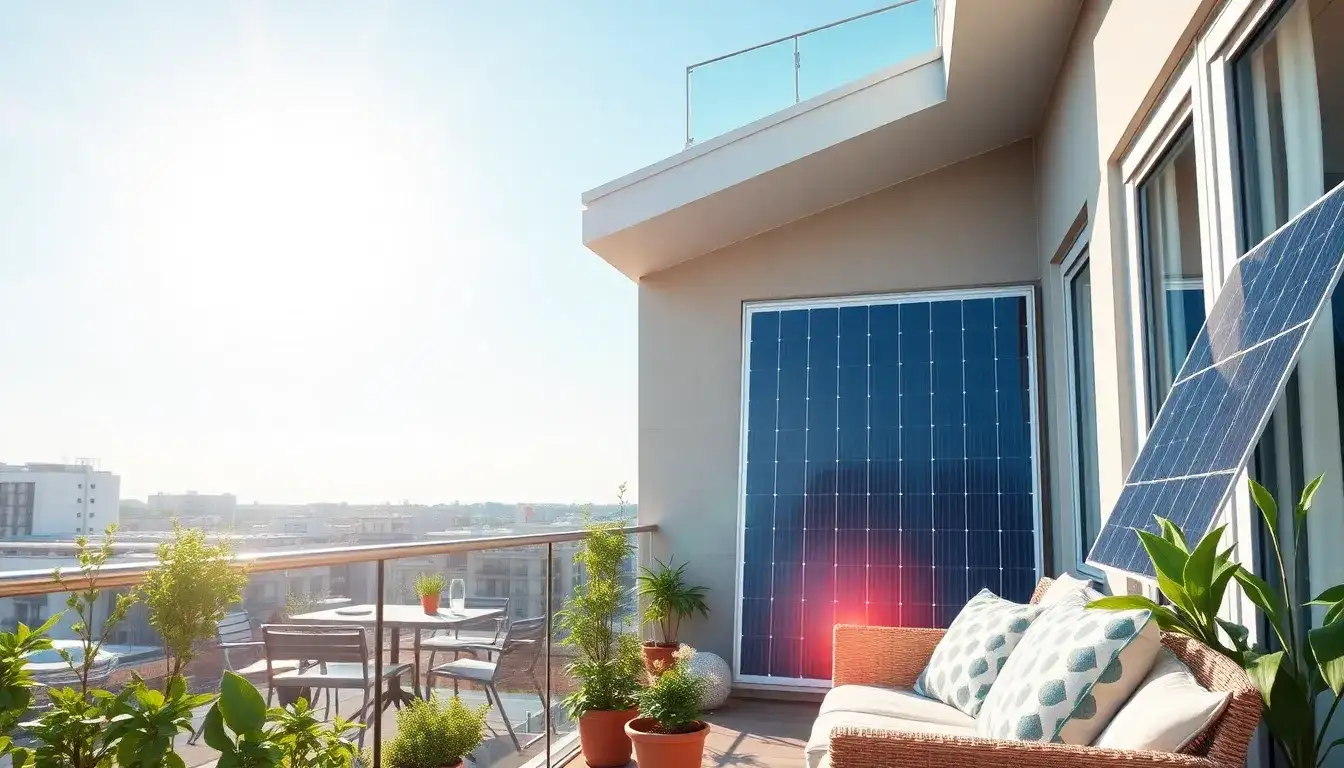
Latest Research: Balcony Solar Storage Can Reduce Household Electricity Costs by 64%
According to a recent joint study by EUPD Research and the plug-and-play solar storage system manufacturer Anker, the combination of balcony photovoltaic (PV) systems and energy storage is emerging as an effective solution for households in Germany to lower energy expenses.
The data indicates that a 2kW plug-and-play balcony solar system combined with a 2kWh storage battery can reduce grid electricity costs by 64%, with an investment payback period of just 4 years.
As the popularity of balcony solar systems continues to grow in the German market, the installation of accompanying storage batteries has seen explosive growth. In 2024, approximately 220,000 storage batteries are expected to be installed alongside plug-and-play solar systems in Germany, marking a 97% increase compared to 2023. Research institutions predict that by 2025, this number will exceed 300,000, with 90% of these systems being installed simultaneously with solar setups. This trend indicates that the role of storage in shortening the investment return period has been recognized by the market.
1. Multi-Scenario Simulations Validate Energy Savings
The research team simulated three typical household scenarios with annual electricity consumption of 1MWh, 3MWh, and 4.5MWh based on actual electricity usage patterns. Anker Solix verified through analysis of thousands of user data sets that energy storage devices can increase the proportion of self-consumed electricity by an average of over 50%, significantly enhancing energy autonomy.
- Small systems (1kW PV + 1kWh storage): Grid electricity consumption is reduced by 45%, suitable for low-energy households.
- Medium-sized households (annual consumption of 3MWh): Using a 2kW PV + 2kWh storage system, grid electricity consumption is reduced by 64%, with investment costs recouped in 4 years.
- Large systems (4 solar panels + 3.2kWh storage): Annual savings on electricity costs amount to €373, with a payback period of 5.4 years; some cases report annual savings exceeding €900.
2. Pain Points:
Despite the clear technical benefits, the research identified two major market challenges:
- Insufficient economic awareness: 68% of respondents believe storage prices are high, and 73% feel that installing a storage system is not cost-effective, indicating a lack of economic appeal.
- Policy and technical barriers: The registration process for plug-and-play systems with storage is not yet standardized, and there is a lack of unified financing support policies across different German states.
The research team emphasized that the market’s understanding of the economic value of storage technology remains inadequate, necessitating more intuitive analyses of energy-saving benefits and more accessible solutions, particularly for renters who may find it difficult to access solar subsidies.
3. Policy Support:
Currently, German law limits the capacity of plug-and-play solar systems to 800W. However, if the European Union proceeds with plans to raise this limit, the market landscape could change significantly. Anker Solix’s calculations show that a 5kW system under optimized operating conditions can meet 100% of the daily electricity needs for households consuming 4.5MWh annually. The research also indicates that for households with annual consumption between 3MWh and 4.5MWh, pairing the system with appropriately sized storage can achieve a self-consumption rate of 91%. The combination of balcony solar and storage is reshaping energy consumption patterns in German households, requiring future focus on standardized policy development, enhanced cost transparency, and adaptable solutions for renters.
Original article by NenPower, If reposted, please credit the source: https://nenpower.com/blog/new-study-reveals-balcony-solar-storage-can-cut-household-electricity-costs-by-64-2/

