

2025 New Vehicle Inspection Regulations: Essential Information for Electric Vehicle Owners
The “Safety Performance Inspection Regulations for New Energy Vehicles” (GB/T 44500—2024) apply to the operational safety performance inspection of pure electric vehicles and plug-in hybrid vehicles (including range-extended vehicles). Other types of new energy vehicles in use are also referenced in these regulations. New energy vehicles registered before March 1, 2019, will undergo their first inspection.
This standard outlines a total of 12 inspection items across four categories: battery safety, motor safety, electronic control system safety, and electrical safety.
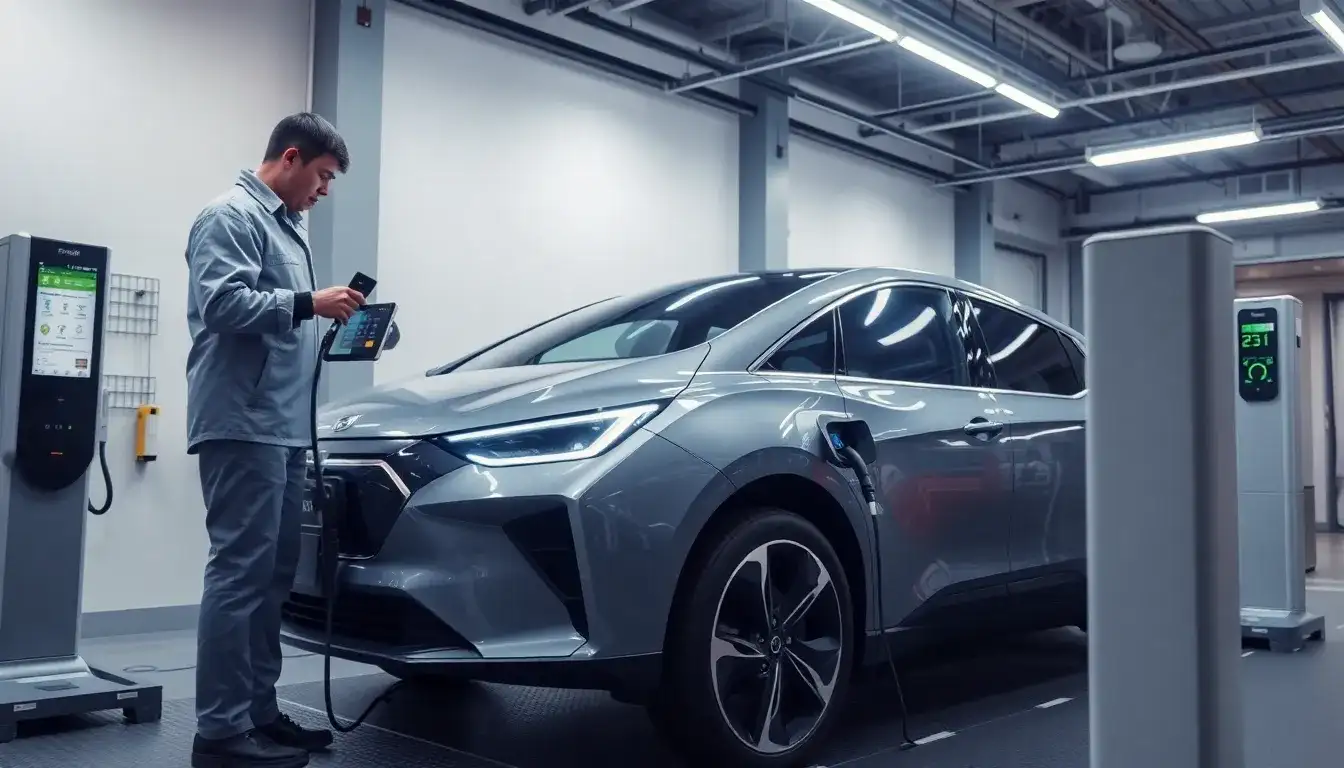
The inspection for battery safety involves using charging safety equipment that provides a maximum DC charging power of 60 kW or more. The vehicle must be charged continuously for over three minutes to check the battery’s temperature and voltage. Electrical safety inspections include tests for the insulation resistance of the charging socket and potential balance. In simpler terms, this means conducting leakage tests on the vehicle’s charging interface and body using electrical safety inspection equipment.
For commercial new energy vehicles (such as ride-hailing cars, buses, and trucks), in addition to the mandatory inspection items mentioned above, an additional test for the safe discharge of the power battery is required.
Currently, the annual inspection cycle for new energy vehicles aligns with that of gasoline vehicles, adopting a 6-year exemption policy for new vehicles. The specific regulations are as follows:
For more information on EMC testing, rectification, and certification, please contact us for exclusive discounts available for clients from the EMC community!
Original article by NenPower, If reposted, please credit the source: https://nenpower.com/blog/new-regulations-for-vehicle-inspections-in-2025-essential-for-electric-vehicle-owners/

