

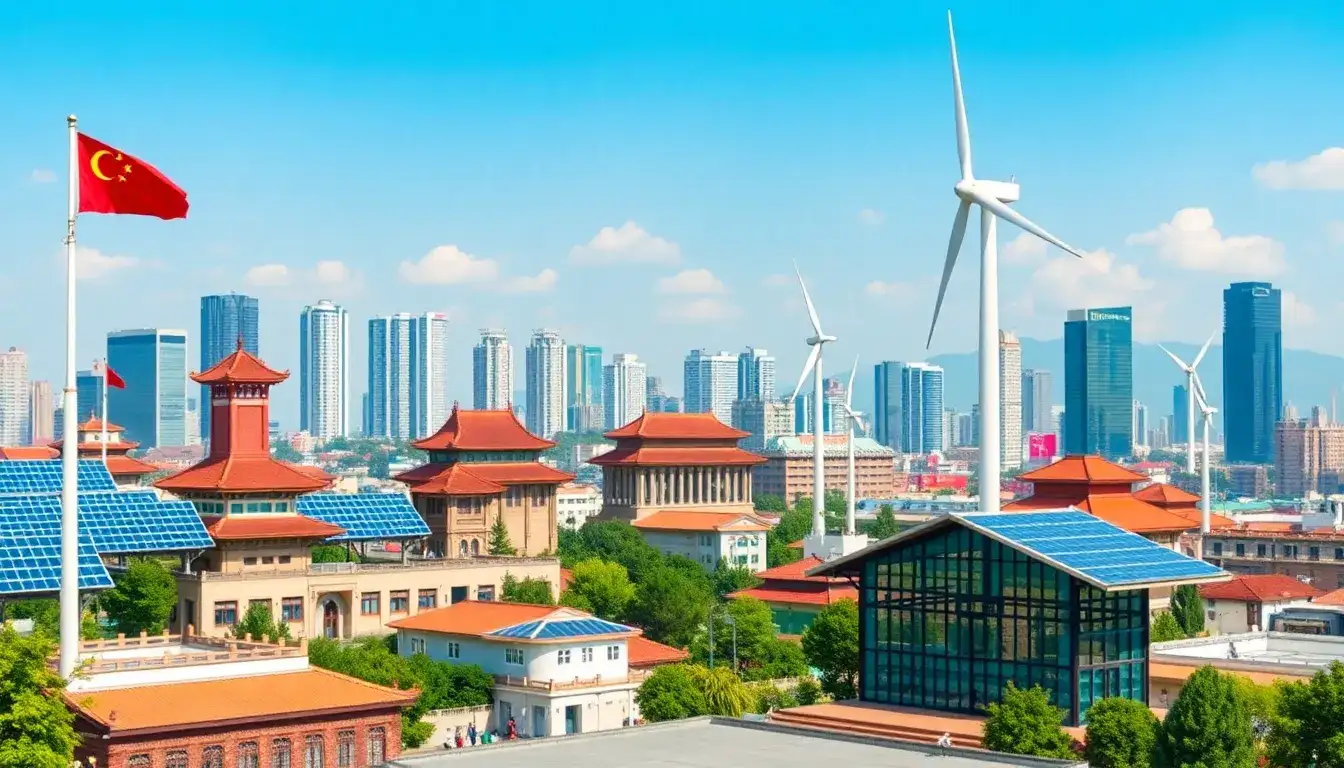
Under the current implementation of new energy policies, the distributed generation model is emerging as a significant force in China’s energy transformation. On April 14, 2025, at 15:59, it was reported by Zhang Shuilong that in the context of significant large-scale energy transformations, distributed generation is viewed as a crucial component of the new energy landscape. Recently, the National Energy Administration has been actively addressing issues related to the Regulatory Framework for Distributed Generation Power Generation (hereafter referred to as the Regulatory Framework), clarifying that the regulatory framework was already established before the date of its release. This includes provisions for “self-generated self-consumption and surplus electricity fed into the grid,” with firm plans in place before May 1, 2025, to ensure the deployment of large-scale projects for distributed generation power generation.
In the context of significant energy transformations, distributed generation is being prioritized as a new energy sector’s critical growth driver. Recently, the National Energy Administration has engaged in discussions about the Regulatory Framework, and it has been confirmed that the framework was previously established. This framework aims to facilitate self-consumption and surplus electricity usage before May 1, 2025, addressing large-scale projects in the distributed generation sector and the need for a renewed regulatory framework.
As the regulatory framework for distributed generation has been released, it is expected to significantly impact the energy market. The current implementation of the Regulatory Framework will enhance the growth of the distributed generation market and improve the efficiency of energy consumption. This framework promotes healthy and sustainable development in the energy sector.
Moreover, reports indicate that the recent implementation of the Regulatory Framework aims to establish a more refined operational model for distributed energy generation. This model will focus on enhancing energy efficiency and ensuring stability within the energy market. For instance, data from the China Energy Report suggests that the policies introduced will lead to increased efficiency in energy generation and distribution.
In the context of expanding renewable energy sources, the Regulatory Framework will also address the integration of distributed generation with traditional energy sources, such as wind and hydropower, to create a balanced energy supply system. It is anticipated that the ongoing adjustments and enhancements to the framework will lead to more substantial investments in distributed energy projects, promoting a more sustainable energy landscape.
As we move forward, the implementation of the Regulatory Framework is expected to enhance the resilience of the energy system, allowing for greater flexibility and adaptability in meeting energy demands. The focus will be on optimizing the balance between supply and demand, ensuring that the distributed generation model remains viable and effective in addressing the evolving energy landscape.
In summary, the Regulatory Framework for distributed generation is set to play a pivotal role in shaping the future of China’s energy infrastructure, promoting efficient energy use, and fostering sustainable growth in the energy sector.
Original article by NenPower, If reposted, please credit the source: https://nenpower.com/blog/new-policy-implementation-advancements-in-distributed-energy-generation-in-china/

