

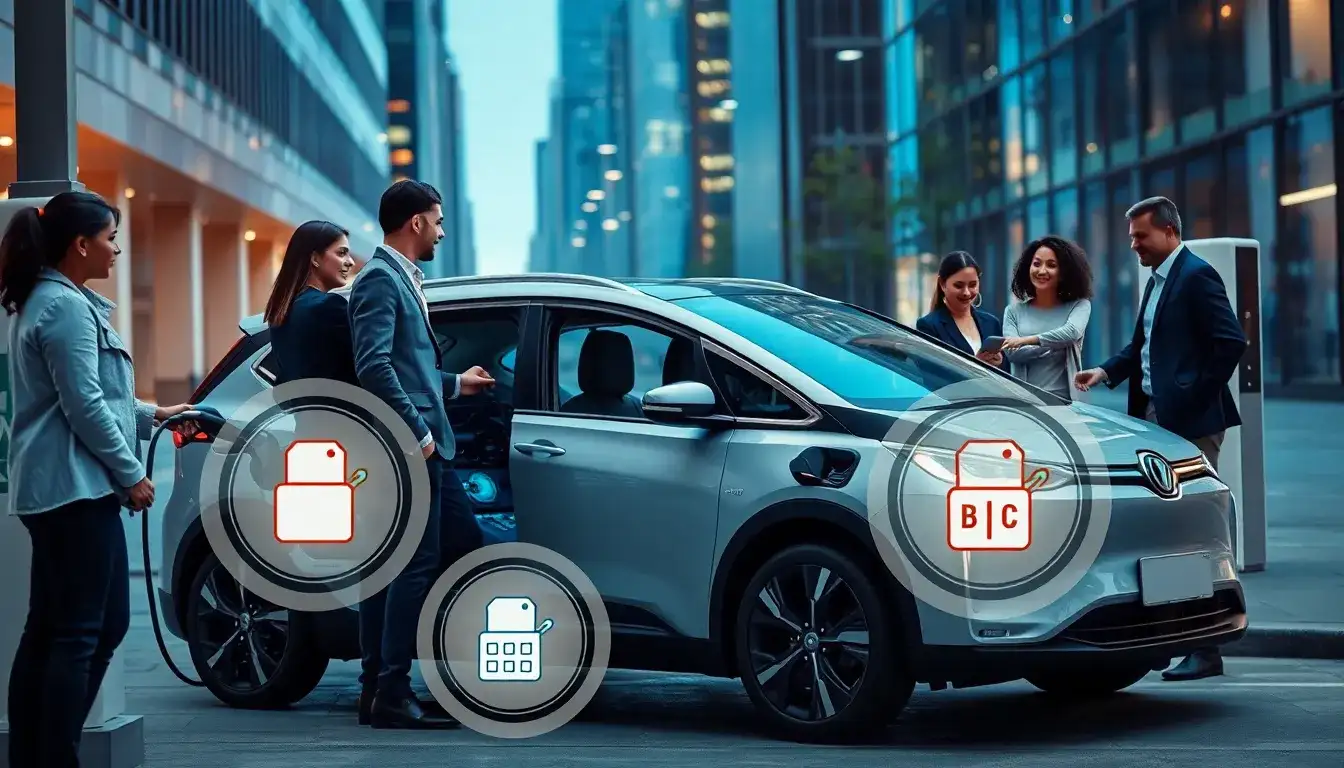
The emergence of electric vehicles has heightened concerns regarding the safety of power batteries. Recently, the Ministry of Industry and Information Technology announced a “mandatory” national standard titled “Safety Requirements for Power Batteries Used in Electric Vehicles”, which will take effect on July 1, 2024. This new standard mandates that power batteries must not catch fire or explode, leading many to label it as “the strictest battery safety regulation in history.” How does this new standard differ from the previous one, and what are its core requirements? Furthermore, how will its implementation impact the future of the industry and consumers’ experiences?
Core Requirements of the New Standard
The newly released standard encompasses seven individual tests and seventeen battery pack or system tests. Compared to the 2020 version, it introduces additional testing protocols, including bottom impact tests, safety assessments after fast charging cycles, and thermal diffusion tests, thereby imposing stricter safety requirements on power batteries. The new standard specifies clear criteria for mechanical safety, electrical safety, and thermal safety, particularly relating to the battery’s performance under extreme conditions such as collisions, compression, and high temperatures.
The primary goal of the new standard is to comprehensively enhance battery safety, thereby providing consumers with greater security. The introduction of three rigorous new tests not only strengthens the safety requirements for thermal diffusion but also adds multiple safety testing protocols to ensure the overall safety of power batteries.
Thermal diffusion refers to a situation where a thermal runaway event in one battery cell can trigger a chain reaction in neighboring cells, potentially leading to fire or explosion. The new standard specifies that testing can be conducted through puncturing or internal and external heating.
During a puncture test, a 5mm steel needle is driven at a speed of 1mm per second toward the target battery cell, taking about 50 seconds to pierce it. Observers noted that once the cell was punctured, smoke erupted from the battery pack, and the temperature of the monitored cell surged rapidly.
According to Jiang Chenglong, a senior engineer at the China Automotive Technology and Research Center, the temperature of a punctured battery can reach approximately 300℃, with internal temperatures soaring to around 1000℃. During this process, the temperatures of adjacent cells also increase, but the entire battery system must not catch fire or explode.
Bottom scrapes are an unavoidable occurrence while driving; thus, the new standard incorporates a stringent bottom impact test. This test involves a 30mm steel impact head striking risk points on the battery pack with 150 joules of energy. Three risk points are selected on the bottom of the battery pack, focusing on areas sensitive to impact.
Moreover, with the rapid adoption of fast charging for electric vehicles, the new standard includes safety testing for batteries after fast charging cycles. This test examines battery cells charged within 15 minutes and requires that they do not catch fire or explode after 300 cycles of fast charging followed by an external short circuit test.
Extreme Testing for Battery Safety
In addition to thermal diffusion protection, bottom impact, and fast charging cycle tests, electric vehicle power batteries must undergo multiple extreme tests before they can be installed in vehicles. These include:
- Collision Simulation Test: The battery pack is fixed on a testing platform and subjected to collisions from two directions while fully charged, requiring no leakage or outer shell rupture.
- Fire Test: The battery pack is exposed to flames for 70 seconds and subjected to indirect burning for another 60 seconds, while still needing to meet the no-fire, no-explosion criteria.
- Water Immersion Test: The battery pack is submerged in 1 meter of water for 30 minutes, followed by a 2-hour observation to check for water ingress, requiring no leaks and intact insulation.
- Compression Test: Using a 75mm radius semi-cylindrical object, the battery pack is compressed from two directions with 100 kN of force, ensuring no leaks, fires, or explosions occur.
Stricter Requirements for Battery Safety
Compared to the 2020 standards, the new regulations impose even more stringent safety requirements on power batteries. The thermal diffusion testing threshold has been raised from providing an alarm signal five minutes before fire or explosion to a requirement of no fire or explosion at all. The Ministry of Industry and Information Technology reported that by February of last year, 78% of the 36 surveyed vehicle and battery companies had the technology to ensure their batteries do not catch fire or explode, while an additional 14% expected to achieve this capability by 2026-2027.
According to Wang Fang, chief scientist at the China Automotive Technology and Research Center, each test item within the safety standards has corresponding safety boundaries. Actual usage may vary based on consumer habits and vehicle conditions, so it cannot be assumed that batteries will never catch fire under any extreme circumstances. Consumers are urged to follow vehicle product manuals and traffic safety regulations.
Zhang Hong, an expert from the China Automotive Circulation Association, noted that the requirement for manufacturers to comply with the new standard within a year does not necessarily indicate that the technology is fully matured. Early implementation of standards can help create a fair competitive market environment, allowing well-capitalized and innovative companies to thrive while phasing out less compliant enterprises. Furthermore, even if technology is not yet fully developed, setting standards encourages companies to increase research and development efforts, driving progress in the industry.
Strengthening Battery Safety Technology
Currently, many automotive companies are intensifying their innovation efforts to enhance battery safety. Comprehensive upgrades across the supply chain are reshaping the safety standards for power batteries. One company revealed that they are conducting tests that exceed the new standards, such as increasing the impact force in bottom collision tests or extending thermal diffusion monitoring periods to better validate battery safety. They are also innovating battery structures with a “blocking and diversion” management technique.
Another company indicated that battery packs typically consist of hundreds of individual cells, and managing each cell effectively can ensure the safety of the entire pack. Additionally, companies are opting for more stable material systems, such as high-safety cathodes, flame-retardant electrolytes, and high-heat-resistant separators, to minimize the risk of thermal runaway. Utilizing cloud-based big data technologies allows for real-time monitoring of battery health and early identification of potential faults.
Accelerating Technological Innovation
As the new power battery standard comes into effect on July 1, 2024, the overall safety level of power batteries is expected to rise significantly, enhancing the safety of electric vehicles. What implications will the implementation of this new standard have for the industry and consumer experience? According to Zhang Hong, this new standard is considered the strictest battery safety regulation to date, requiring battery systems to ensure they do not catch fire or explode under extreme conditions. This change necessitates redesigning battery pack structures and thermal management systems, accelerating the industry’s shift toward higher quality. In the future, the market may favor stronger players. Additionally, as battery safety improves, insurance companies may reduce rates for relevant policies, further alleviating consumers’ vehicle purchase and operating costs.
The current national standards already ensure basic vehicle safety. The new requirements for newly approved models will be implemented by July 1, 2026, while existing approved models will need to comply by July 1, 2027. This transition period allows approved models one year to adapt, but they must complete modifications or exit the market by 2027. Some consumers may wonder if they should wait for the new standards to purchase electric vehicles. Industry experts assert that current national standards adequately protect vehicle safety, and most companies have already completed their technological preparations, allowing consumers to confidently select models that meet existing standards.
Experts emphasize that both the new and existing standards maintain high safety levels. According to Hao Weijian, a senior engineer at the China Automotive Technology and Research Center, both standards have undergone extensive industry discussion and development, achieving a high technical level. Vehicles currently on the market comply with mandatory national standards, and overall, they are safe. Interviews revealed that prior to the release of the new standards, some companies had already made technological preparations and utilized higher safety batteries.
Based on preliminary research, over 80% of electric vehicle manufacturers currently possess the technology to prevent fires or explosions following thermal diffusion tests, indicating a high overall level of safety technology, thus alleviating consumer concerns.
Original article by NenPower, If reposted, please credit the source: https://nenpower.com/blog/new-national-battery-safety-standards-impact-on-the-electric-vehicle-industry-and-consumer-experience/

