

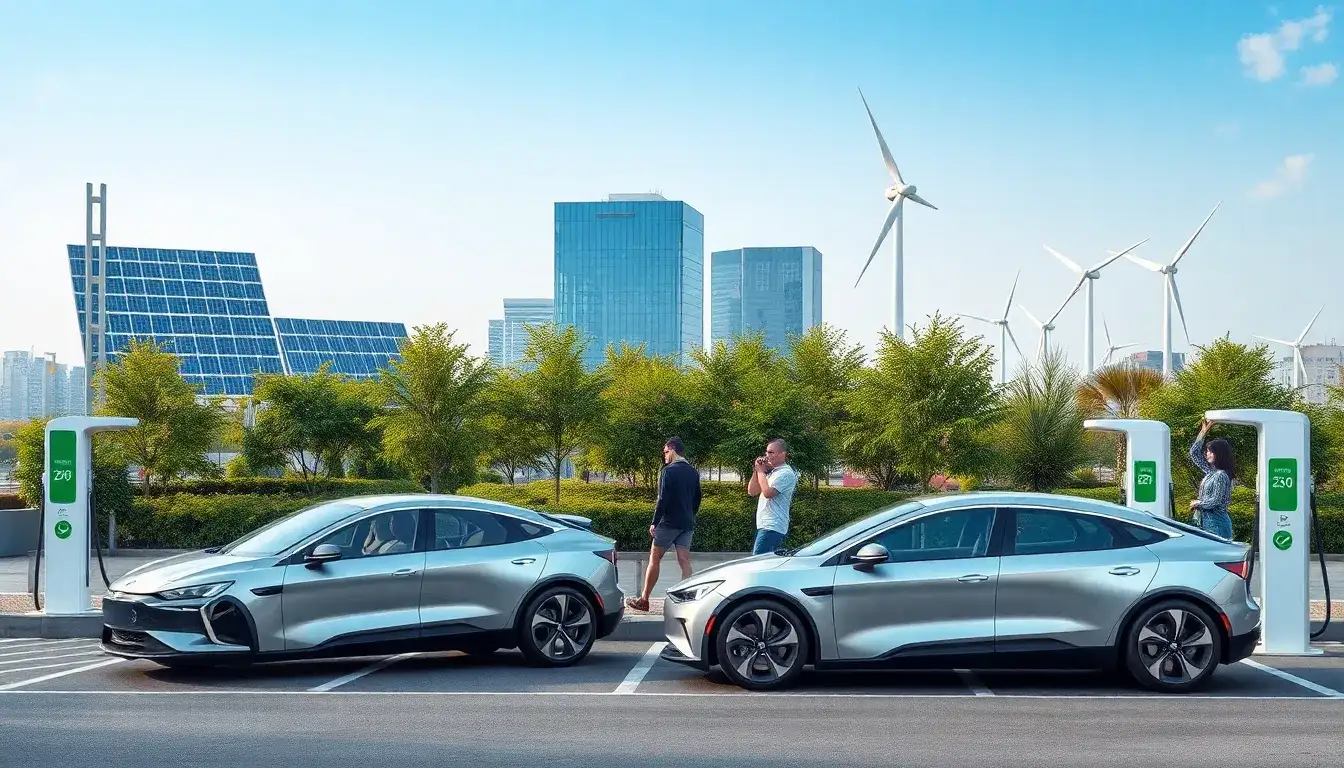
New Energy Vehicles Transforming the Market: “Electric Shield” – In a joint initiative, the National Development and Reform Commission, along with several governmental departments, has launched a pilot program for vehicle-to-grid (V2G) technology aimed at enhancing the integration of new energy vehicles (NEVs) into the energy grid. This program encompasses a total of 39 pilot projects across nine cities, including Shanghai, Chengdu, and Guangzhou, with a focus on enabling NEVs to engage in energy exchange with the power grid.
The essence of V2G technology is that it allows new energy vehicles to not only consume electricity but also to return electricity to the grid during peak demand periods. This technology can create a balanced energy supply, especially when the grid’s demand is high. In January of this year, data released indicated that by 2024, the number of NEVs in service in China is expected to exceed 31.4 million units. The expansion of NEVs is crucial for stabilizing the power supply and enhancing energy efficiency.
On March 28, in Guangzhou, a charging event featured an electric vehicle engaging in V2G operations, demonstrating the effectiveness of this technology in reducing grid pressure. The vehicle was equipped with an automated system for charging and discharging, completing several cycles in just 80 seconds. Simultaneously, at a charging station in Shenzhen, the focus was on maximizing the charging capacity of electric vehicles to support grid stability.
In parallel, a pilot project in Shanghai is exploring the collaborative use of NEVs and the grid to facilitate energy exchanges, further promoting a sustainable energy ecosystem. The pilot aims to demonstrate the viability of V2G technology in improving energy management and optimizing resource allocation.
Despite the advancements, challenges remain in the widespread adoption of V2G technology. The regulatory framework must adapt to facilitate the integration of NEVs into the existing power market while ensuring that safety and efficiency standards are maintained. The need for a robust infrastructure to support these technologies is also critical. There is a call for enhanced collaboration between government agencies, utilities, and vehicle manufacturers to develop effective solutions for these challenges.
As the market for electric vehicles continues to grow, the necessity of establishing a comprehensive framework for vehicle-grid interaction becomes increasingly apparent. This will involve developing standards that ensure safety, reliability, and efficiency in energy exchanges between vehicles and the grid.
Overall, the ongoing initiatives highlight the potential of NEVs to contribute significantly to energy management and sustainability, paving the way for a more resilient and efficient energy landscape.
Original article by NenPower, If reposted, please credit the source: https://nenpower.com/blog/new-energy-vehicle-transformation-in-jiangsu-the-rise-of-v2g-technology/

