

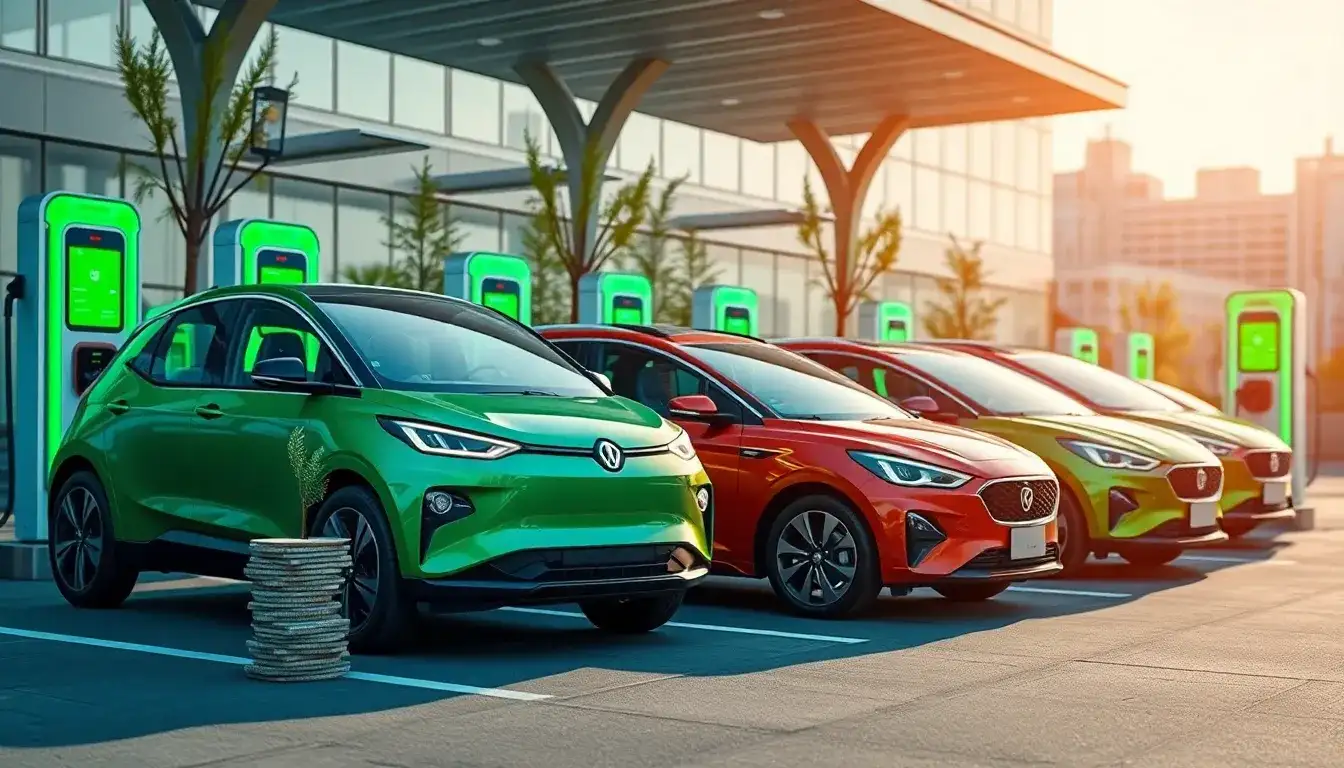
Last year, new energy vehicles reached a staggering 57 billion in sales, representing a 100% increase. The number of models available in the market is now 137.
The rapid growth in the new energy vehicle sector shows no signs of slowing down. In 2024, the national protection policy is expected to support 3.105 million new energy vehicles, with a budget of 1.409 trillion yuan set aside for incentives. Furthermore, the provision for wind energy protection is projected to reach 1.06 million yuan.
However, the high incentives that come with these policies not only have immediate implications but may also lead to debt issues. The data indicates that in 2024, the total protection budget for new energy vehicles will reach 57 billion yuan, with the number of vehicles under protection amounting to 2,795, surpassing the 100% increase.
In this context, the critical issue remains how to effectively limit the financial incentives for new energy vehicles and their comprehensive costs. As the head of a large financial institution, the major concern revolves around regulatory measures and strategies that can guide the market effectively.
In recent years, the growth of new energy vehicles has facilitated a rapid expansion of the automotive market. The China Electric Vehicle Association has reported that the new energy vehicle sales have increased substantially since 2015, with projections indicating significant growth through 2024.
According to data, in 2024, the protection budget for new energy vehicles is expected to reach 57 billion yuan, with the sales volume anticipated to exceed 30%. This marks a substantial increase compared to the previous year’s figures.
The automotive industry is witnessing a significant transformation, primarily driven by the adoption of new energy vehicles. The focus is shifting towards developing a sustainable regulatory framework that supports these advancements while ensuring the stability of the market.
As the industry moves forward, establishing a balanced and sustainable financial management model will be essential. This includes managing costs effectively, fostering innovation in new energy vehicles, and ensuring that the growth trajectory aligns with market demands.
In conclusion, the future of new energy vehicles in China appears promising, with expectations for continued growth in sales and market presence, supported by strong governmental policies and consumer demand.
Original article by NenPower, If reposted, please credit the source: https://nenpower.com/blog/new-energy-vehicle-subsidies-surpass-57-billion-yuan-with-100-delivery-rate-and-137-models-available/

