

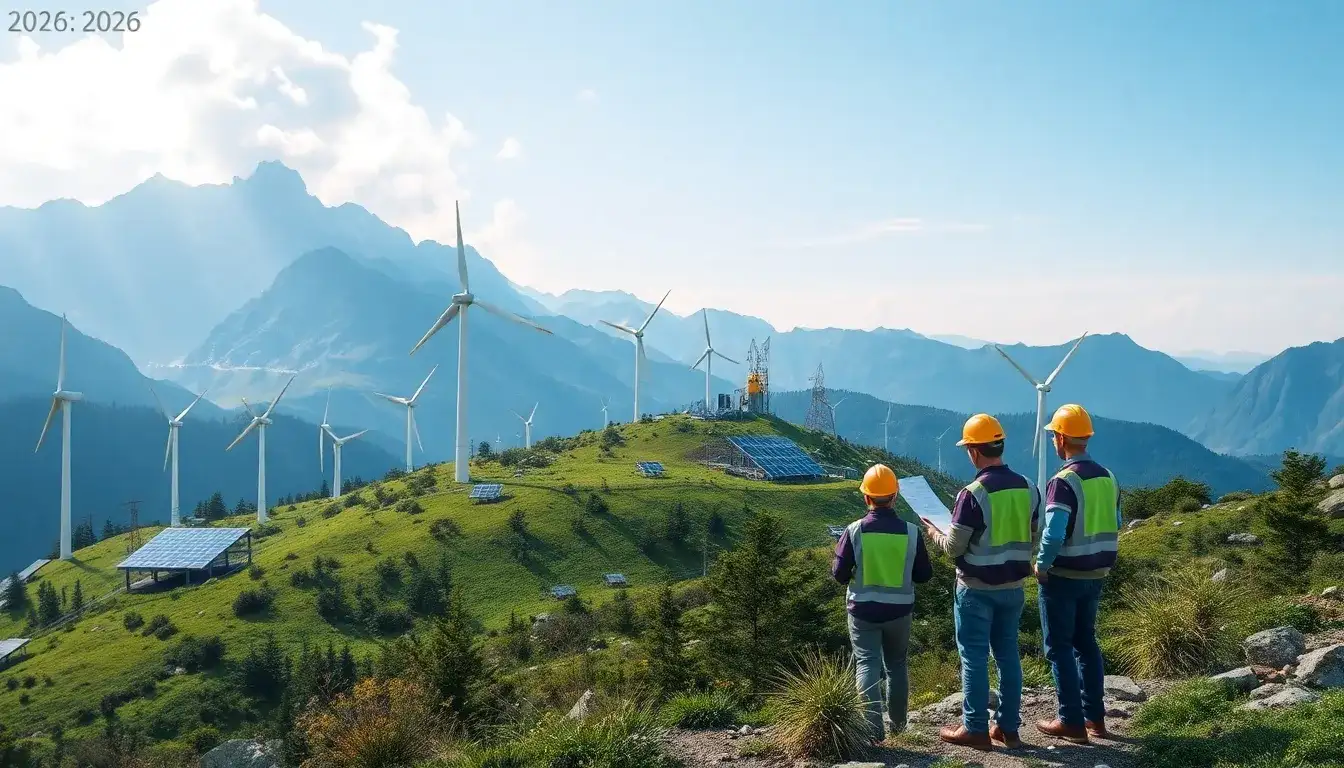
On January 23, 2026, a significant reform in the distributed generation model for renewable energy will be implemented, as announced by the National Energy Administration. The distributed generation model is the largest framework for renewable energy generation, with an installed capacity exceeding 60 million kilowatts and over 1.3 million users connected to the grid. This reform aims to enhance the stability and regulatory capabilities of the renewable energy grid integration and operation, addressing higher demands for power supply.
In this context, the National Energy Administration will conduct a thorough analysis of the current distributed generation model, ensuring that the regulatory capabilities for grid connections and renewable energy operations are enhanced. The focus will be on optimizing the operational procedures of distributed generation systems, thereby improving the security of the renewable energy grid.
During the implementation process, the National Energy Administration will work alongside regional energy departments to select areas for pilot projects, such as urban, rural, and coastal regions. This collaboration will involve various stakeholders, including power supply companies and equipment manufacturers, to promote the gradual establishment of a well-coordinated implementation mechanism.
Through on-site regulation and technology integration, the operational status of distributed generation systems will be evaluated, and necessary adjustments will be made to ensure compliance with safety standards. The goal is to facilitate the transition to a more efficient and secure renewable energy infrastructure.
By January 1, 2026, the city of Dezhou will be the first to implement a pilot project for this reform. Following the successful implementation of the reform, the distributed generation model will be tested among 44 industrial users and 220 residential customers. The pilot is expected to stabilize the overall operation and ensure compliance with the “four guarantees” requirements.
Moving forward, the National Energy Administration will continue to rigorously adhere to the principles set forth by the State Energy Work Conference and the National Energy Administration Work Conference. These meetings will be essential in summarizing and refining the reform’s framework, leading to broader applications and advancements in the distributed renewable energy sector.
Ultimately, the aim is to establish a robust power generation system that supports the country’s renewable energy goals while enhancing the grid’s operational efficiency and stability.
Original article by NenPower, If reposted, please credit the source: https://nenpower.com/blog/new-developments-in-mountain-energy-distribution-network-upgrades-set-for-2026/

