

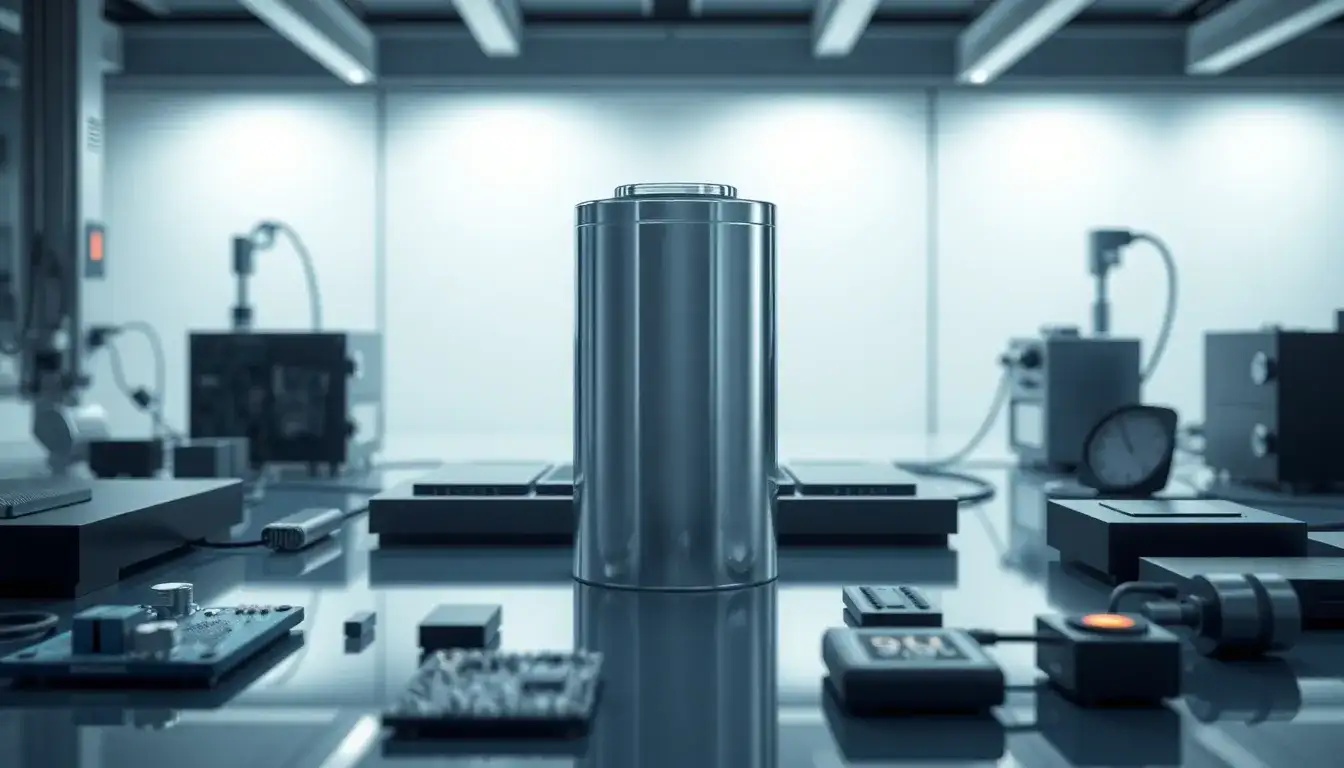
Battery technology is poised for significant advancements in 2026, with single-cell capacities anticipated to reach 9,000 mAh.
**Published:** July 1, 2025, 9:53 AM
Have you ever wondered why smartphone manufacturers don’t include larger batteries in their devices? The answer is quite straightforward. While larger batteries can enhance battery life, they also result in bulkier and heavier phones, which many consumers tend to avoid. Additionally, bigger batteries generate more heat, potentially requiring special cooling systems, which can drive up production costs for manufacturers. However, this situation is set to change with the arrival of next-generation smartphones.
These new devices are expected to move away from traditional lithium batteries, like those used in Samsung’s flagship models, which tend not to be particularly large. Instead, companies such as Honor and Oppo are preparing to fully embrace new silicon-based battery technology, which allows for higher energy density in a slimmer form factor. For instance, the Oppo Find N5 is one of the first foldable phones to utilize this innovative silicon-based battery technology.
Silicon batteries are just as slim as their lithium counterparts but can hold significantly more energy. Currently, silicon comprises about 10% of the batteries used in smartphones, enabling brands like Oppo, Xiaomi, Honor, Nubia, and OnePlus to incorporate batteries exceeding 7,000 mAh without increasing bulk.
Oppo pioneered the inclusion of 10% silicon in smartphone batteries. Although the Realme GT7 Pro, with its 6,500 mAh battery, doesn’t have an exceptionally large capacity, it is notable for being the first to feature such a silicon content. Furthermore, Oppo has been testing an 8,000 mAh battery with 15% silicon for six months, and upcoming models are expected to adopt this advanced battery cell design.
Excitingly, reports indicate that Chinese manufacturers are already experimenting with even larger capacity batteries. Oppo, Honor, and several others plan to boost the silicon content in their batteries to 25-30% starting next year. In fact, the next-generation smartphones expected to launch later this year may feature batteries containing 20% silicon, a significant increase from current silicon-based batteries.
Another thrilling development is the anticipated battery capacity for future smartphones, which could reach 8,500 mAh for single-cell designs by next year. It’s worth noting that the relatively few smartphones utilizing silicon batteries currently rely on dual-cell configurations.
The good news doesn’t end there! Early research is underway for 9,000 mAh batteries, and many companies have begun testing these larger batteries in their labs. It may take between six months to a year to ensure their reliability and that the technology is viable.
Additionally, smartphone manufacturers may start adopting a new type of battery next year: metal-shell batteries. These batteries offer superior volume efficiency, allowing for increased capacity within the same physical space. Currently, metal-shell batteries can enhance capacity by approximately 5%, which, while seemingly modest, is a remarkable achievement given their sub-1mm size.
The first phones featuring batteries with about 15% silicon are expected to launch as early as September, with some manufacturers even planning to include batteries with 20% silicon. Honor is pushing the envelope with its upcoming flagship foldable, the Magic V5, expected to feature a battery with an impressive 25% silicon content. This highly anticipated device is set for an official introduction in China on July 2, followed by a global release in the ensuing weeks.
Based on insights shared by industry insiders, it appears that companies hesitant to adopt silicon-based technology may find themselves at a significant disadvantage when smartphones equipped with 8,000 to 9,000 mAh batteries hit the market.
One of the largest players in the smartphone sector, Samsung, has been slower to embrace new technologies. The company is expected to launch its new foldable devices, the Galaxy Z Fold 7 and Galaxy Z Flip 7, on July 9. Both of these models will continue to use lithium batteries that are not larger than their predecessors.
In summary, as battery technology evolves, consumers can look forward to more efficient and powerful smartphones in the near future.
Original article by NenPower, If reposted, please credit the source: https://nenpower.com/blog/major-advances-in-battery-technology-expected-by-2026-with-9000-mah-single-cell-capacity/

