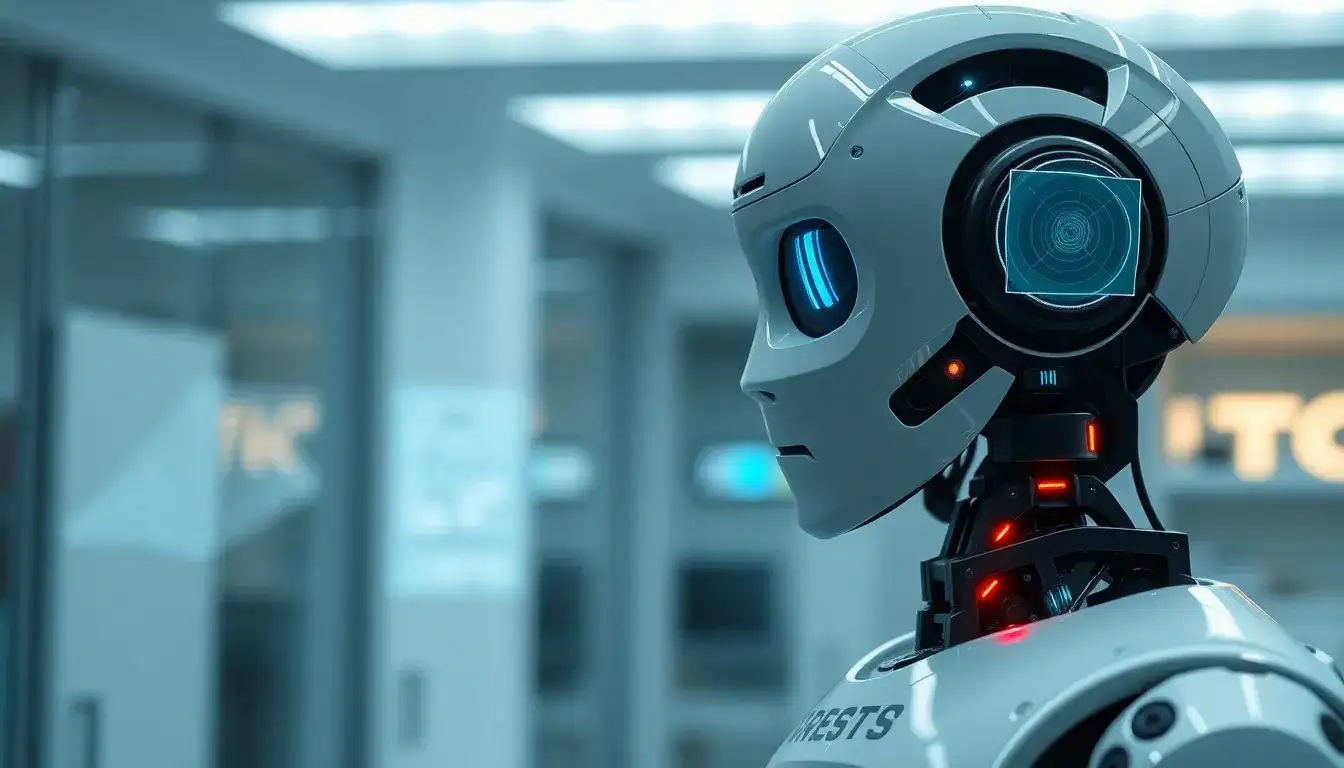
Obi Zhongguang recently addressed inquiries regarding the current mainstream visual solutions for humanoid robots, highlighting that these include 3D structured light, LiDAR, iToF, and stereo vision. For instance, the Yushu G1 employs a combination of 3D structured light and LiDAR, while Fourier Intelligence’s GR-1 utilizes only 3D structured light. Additionally, the Tian Gong Pro robot from the Beijing Humanoid Robot Innovation Center also adopts the 3D structured light solution.
In recent years, the company has launched a comprehensive range of 3D visual perception solutions tailored for various types of robots, supported by an extensive marketing strategy that ensures its products stand out in a competitive market. For the downstream sectors, including humanoid robots, the company offers a full suite of 3D visual sensors and solutions across all technological paths, including structured light, iToF, stereo, and LiDAR.
Regarding the 3D structured light technology, the company has introduced several products such as the Gemini 330 series of all-scene dual 3D cameras. This series includes models like Gemini 335/335L, Gemini 336/336L, Gemini 335Le/335Lg, and Gemini 345Lg. These products balance high reliability, performance, cost-effectiveness, and ease of use, enabling various humanoid robots and smart terminals to perform visual applications in complex indoor and outdoor environments.
For the iToF technology solution, the company has collaborated with Microsoft to design the high-performance iToF 3D camera, Femto Bolt. This camera is characterized by its high precision, compact size, and accurate synchronization, making it suitable for applications in humanoid robotics, entertainment/sports interaction, and medical rehabilitation.
In terms of stereo technology, the company has launched the ultra-compact Gemini 305 series of dual 3D cameras, specifically designed for collaborative robotic arms, embodied intelligent robot arms, and flexible industrial gripping tasks. This series features a small size and lightweight design while maintaining high precision and a large field of view, significantly enhancing the perception capabilities of smart terminals in close-range, detailed operations.
Moreover, the company is set to release the Pulsar ME450 in 2025, which will be the first domestic multi-mode LiDAR based on high-precision MEMS pitch scanning and motor orientation scanning systems. This LiDAR is primarily intended for applications in robotic lawn mowers, warehouse AMRs, smart forklifts, and logistics robots. Unlike traditional single-scan mode robotic LiDARs, the Pulsar ME450 will pioneer flexible switching between three scanning modes: non-repetitive, non-dense repetitive, and uniformly dense repetitive. Coupled with adjustable vertical fields of view and rotation speeds, it can meet the complex scene adaptation needs of different robots.
Looking ahead, the company is committed to continuously monitoring the development and application of innovative technologies within the industry. It will also closely explore potential collaboration opportunities with leading clients in various niche sectors, aiming to enhance its market share in emerging areas such as humanoid robotics and subsequently improve its business performance.
Original article by NenPower, If reposted, please credit the source: https://nenpower.com/blog/mainstream-vision-solutions-for-humanoid-robots-3d-structured-light-lidar-itof-and-stereo-vision-insights-from-aobo-zhongguang/