

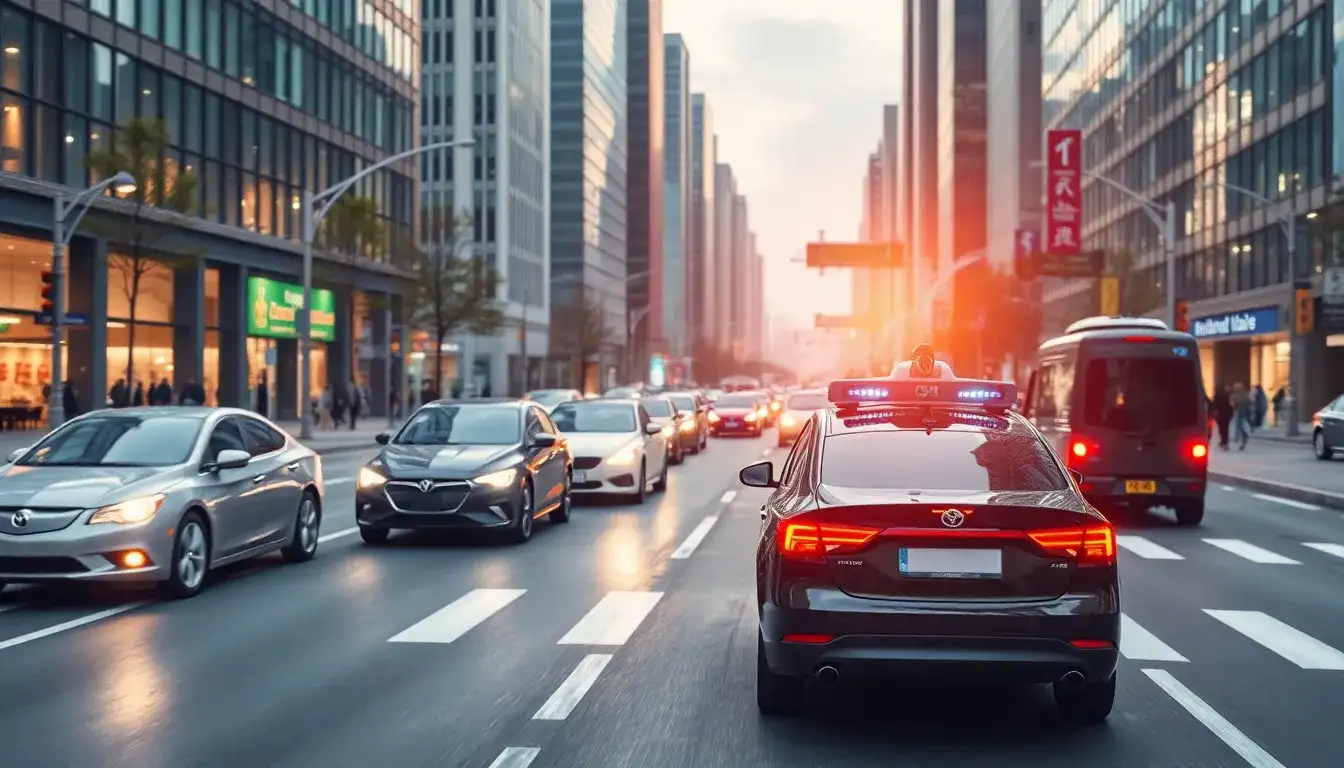
The L3 autonomous vehicle technology is now gaining traction, with major manufacturers showcasing their advancements in this field. As the demand for Level 3 (L3) automation grows, various companies are preparing to release models equipped with this technology by 2025. The L3 autonomous vehicles are designed for use in specific conditions, such as high-speed roads, but still require human oversight in uncertain situations.
Recently, several manufacturers have announced plans to integrate L3 automation into their vehicles. The L3 technology promises to allow cars to handle most driving tasks under certain conditions, significantly enhancing the driving experience. However, challenges remain, particularly regarding safety and regulatory compliance as these vehicles enter the market.
On March 18, multiple automotive manufacturers presented their L3 technology capabilities. The Chinese Automotive Association has indicated that the year 2025 will be pivotal for L3 technology, with expectations that it will see widespread deployment. Nonetheless, the effectiveness and reliability of L3 systems are still under discussion, particularly in relation to their ability to respond to complex traffic scenarios.
Key issues in L3 automation include the need for vehicles to maintain a high level of awareness and to make real-time decisions without human intervention. Currently, vehicles operating under L3 automation must be able to detect and react to various traffic conditions, including sudden obstacles and unpredictable driver behavior.
In terms of technical requirements, L3 systems will need to meet stringent performance benchmarks, such as processing power of over 200 TOPS and efficient sensing capabilities, to ensure they can operate safely and effectively. The industry is also focused on establishing clear guidelines and regulations to govern the operation of L3 vehicles, ensuring that they can be deployed safely on public roads.
Despite the excitement surrounding L3 technology, there are still significant concerns regarding liability and accountability in the event of an accident. Manufacturers are urged to ensure that their systems are robust and reliable, and to provide clear guidance on the responsibilities of both the vehicle and the driver when operating L3 autonomous vehicles.
The ongoing development of L3 technology reflects a broader trend toward automation in the automotive industry, with companies seeking to balance innovation with safety. As the technology evolves, it is essential for manufacturers to communicate effectively with regulators and consumers about the capabilities and limitations of L3 automation.
As we move toward a future with more autonomous vehicles, it is crucial to address the regulatory landscape to facilitate the safe integration of L3 automation into everyday driving.
Original article by NenPower, If reposted, please credit the source: https://nenpower.com/blog/l3-autonomous-driving-insights-and-developments-in-the-future-of-intelligent-vehicles/

