

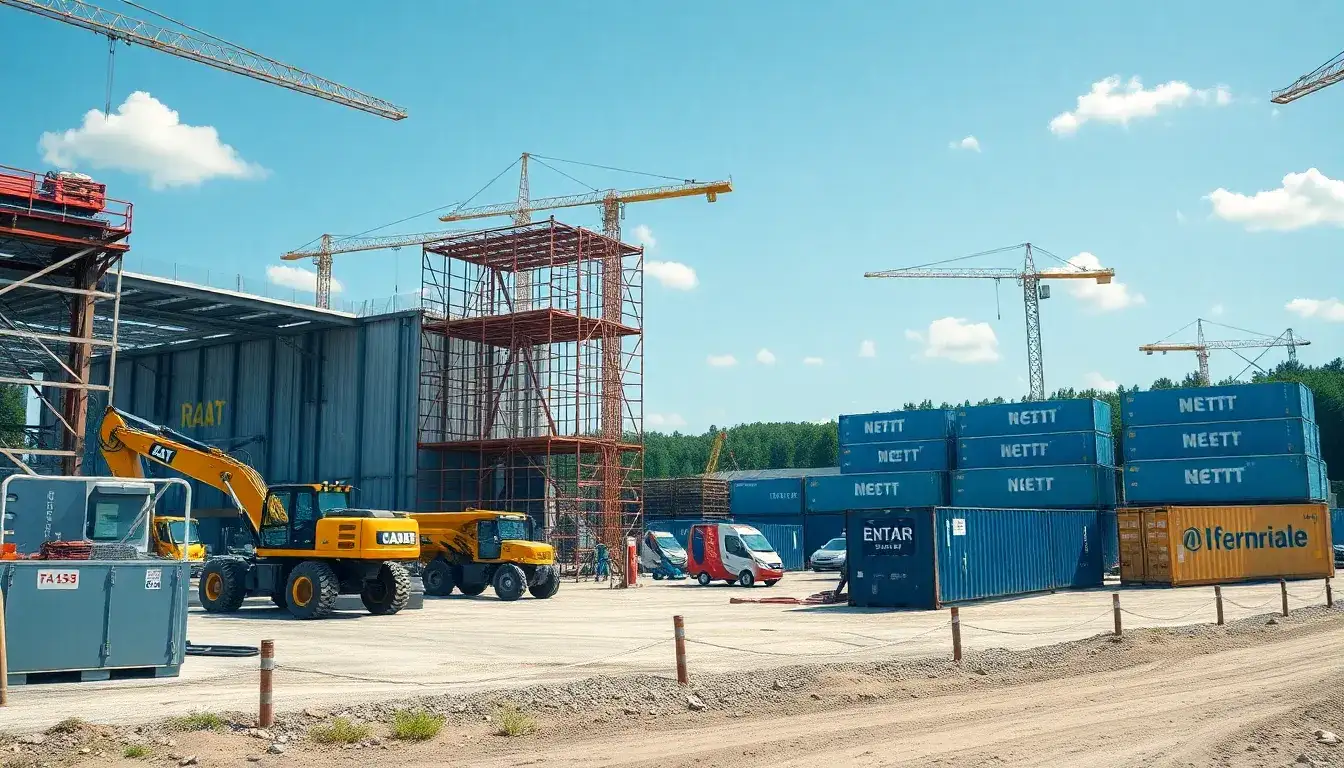
A Japanese company has announced a pause in the construction of its $1.6 billion battery factory in South Carolina, intended for producing batteries for electric BMWs, due to “policy and market uncertainty.”
While AESC, the company in question, did not elaborate on the specific issues, South Carolina’s Republican governor indicated the company is facing potential challenges related to the loss of federal tax incentives for electric vehicle buyers and EV businesses, as well as tariff uncertainties stemming from the previous administration.
Governor Henry McMaster stated, “What we’re doing is urging caution — let things play out because all of these changes are taking place.” AESC confirmed the construction suspension at its Florence facility on Thursday, mentioning, “Due to policy and market uncertainty, we are pausing construction at our South Carolina facility at this time.” The company indicated that construction would eventually resume, although it did not specify a timeline, and reaffirmed its commitment to hiring 1,600 workers and investing $1.6 billion. So far, AESC has invested $1 billion in the Florence plant.
AESC, headquartered in Japan, operates additional facilities in China, the United Kingdom, France, Spain, and Germany. In the U.S., the company has a plant in Tennessee and is currently building another in Kentucky. The statement did not address any changes affecting these other facilities.
The South Carolina plant is designed to supply battery cells to BMW, which is also constructing a battery assembly site near its significant auto plant in Greer. BMW has stated that the construction pause by AESC will not affect its plans to open its facility in 2026.
Earlier this year, AESC had already scaled back its plans for South Carolina. Initially, they announced a second factory for the Florence site but later determined that the first plant would sufficiently meet BMW’s needs. This decision led South Carolina officials to withdraw $111 million in anticipated assistance. However, the company is still set to receive $135 million in grants from the South Carolina Department of Commerce and $121 million in bonds, and the agency has confirmed that the construction pause will not impact these financial commitments.
South Carolina has been making significant investments in the electric vehicle sector, with Volkswagen-owned Scout Motors planning to invest over $4 billion and create 10,000 jobs for a plant dedicated to producing electric SUVs, expected to open in 2027.
For decades, South Carolina has strategically partnered with foreign manufacturers like BMW, Michelin, and Samsung, contributing to the state’s economic growth. However, concerns have arisen regarding the potential impact of high tariffs on these vital partnerships. Governor McMaster reassured stakeholders by stating that state and business leaders are in discussions with the administration to ensure a positive outcome, emphasizing the need for a robust economic framework.
“I think the goal of the president and the administration is to have robust economic growth and prosperity, and there is no doubt changes are necessary in our international trade approach, which is being addressed,” McMaster remarked to reporters on Thursday.
Original article by NenPower, If reposted, please credit the source: https://nenpower.com/blog/japanese-battery-plant-halts-construction-in-south-carolina-amid-ev-and-tariff-concerns/

