

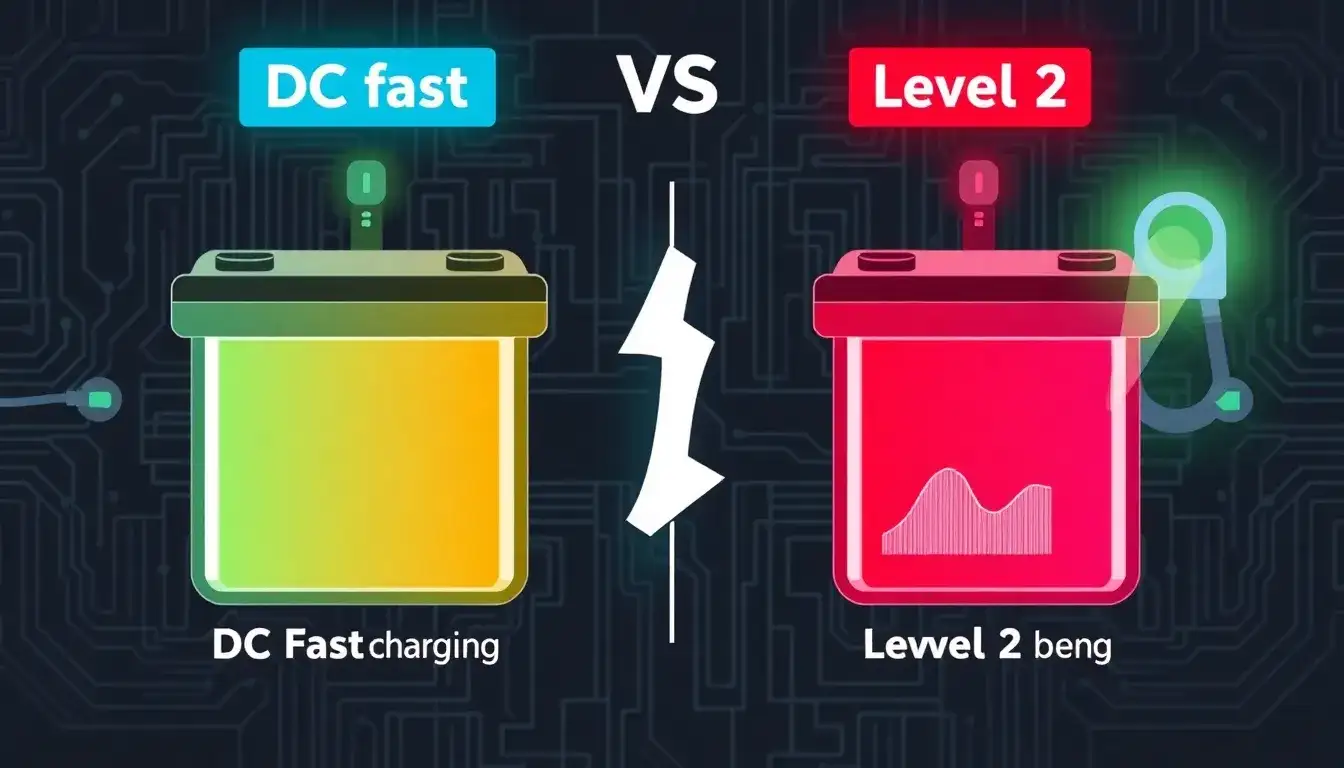
Studies indicate a statistically significant difference in battery degradation between DC fast charging (DCFC) and Level 2 charging, though the practical impact depends on climate and usage patterns.
Key Findings
- DCFC accelerates degradation: Frequent use of DC fast charging (especially in hot climates) correlates with faster battery capacity loss due to high currents and temperatures.
- Minimal difference between Level 1 and Level 2: Level 2 charging shows no statistically significant degradation compared to Level 1 in most conditions.
- Thermal management mitigates risks: Modern EVs employ cooling systems to regulate battery temperatures during Level 2 charging, reducing heat-related strain.
Comparative Analysis
| Factor | DC Fast Charging | Level 2 Charging |
|---|---|---|
| Degradation Risk | Higher (especially with frequent use or high temperatures) | Lower (gentler on batteries) |
| Heat Generation | High (due to rapid energy transfer) | Moderate (managed by cooling systems) |
| Climate Impact | Severe degradation in hot climates | Minimal climate-linked degradation |
Conclusion
While DCFC has a measurable impact on battery health over time, Level 2 charging remains a safer long-term option for routine use. However, modern thermal management systems help mitigate risks across both charging types. For optimal battery life, minimize frequent DCFC in hot conditions and maintain moderate charge levels (e.g., 20-80% SOC).
Original article by NenPower, If reposted, please credit the source: https://nenpower.com/blog/is-there-a-significant-difference-in-battery-degradation-between-dc-fast-charging-and-level-2-charging/

