

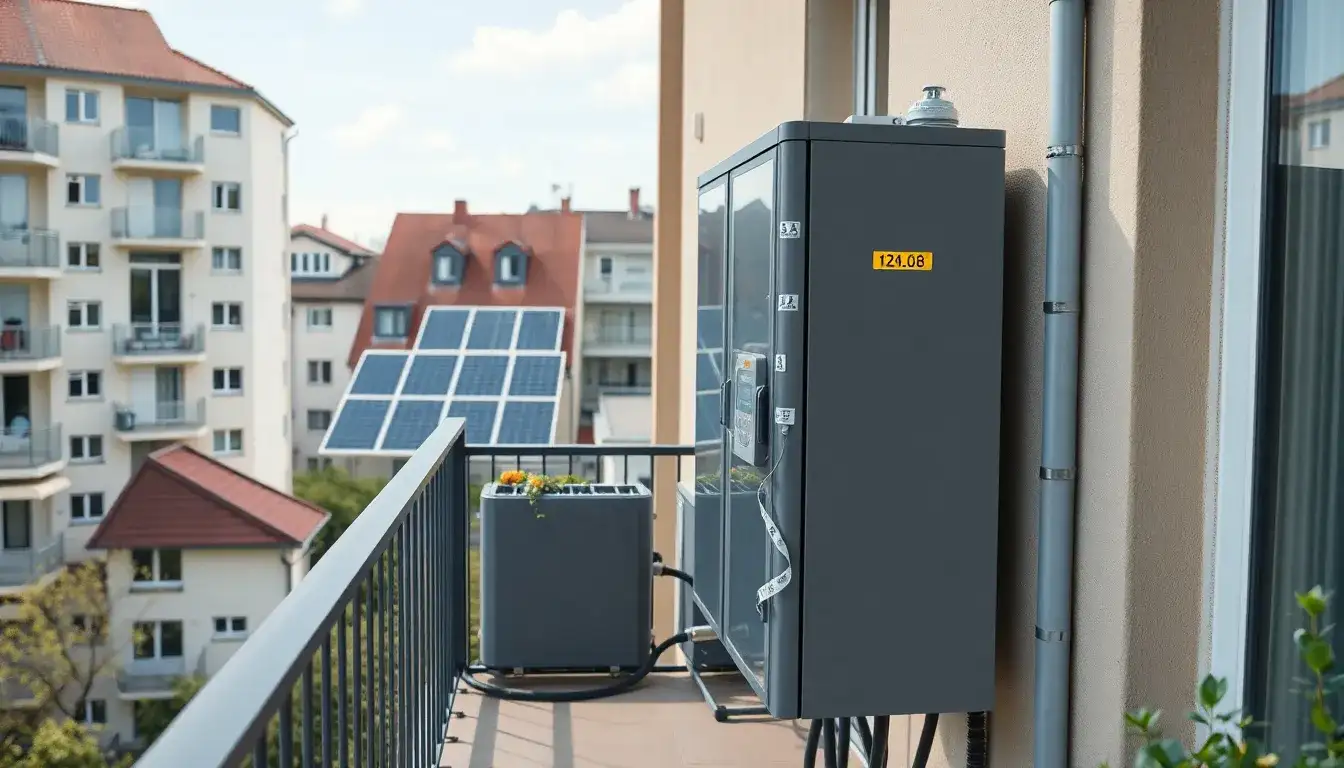
Recently, Zendure, a company specializing in balcony energy storage systems, conducted an investigation into a fire incident that occurred on March 25 in Germany. They released a statement indicating that the cause of the fire was not related to the energy storage system or its battery cells. After observing that the AIO2400 battery pack did not show any deformation or swelling post-incident, Zendure ruled out the battery cells as the source of the fire.
Upon further investigation, Zendure identified an issue with the Maximum Power Point Tracking (MPPT) connection, which caused an increase in temperature. According to Zendure, logs from the internal monitoring system traced this error and indicated that there were also network connectivity issues. The micro-inverter attempted to connect to the internet for approximately 10 hours without success. During this time, the system was operating under “compromised stability,” leading to voltage fluctuations that raised the operational temperature of the micro-inverter. A short circuit was detected at the MPPT connection, which ultimately caused the equipment to shut down.
MPPT technology is a core component of photovoltaic systems, designed to dynamically adjust the working voltage or current of solar modules to ensure they operate at their maximum power output, thus optimizing energy conversion efficiency.
Furthermore, Zendure noted that the plant operator failed to promptly identify and address error messages, increasing the risk of fire. However, the operator stated that they did not receive any error messages from the system, a situation that might be linked to the network connectivity failure. Zendure summarized the fire’s causes as follows:
- Unstable grid connection of the micro-inverter affecting system stability.
- Potential contact failure at the 400W MPPT connection, leading to localized temperature increases and accelerated fault development.
- Prolonged system failure without timely intervention.
- A combination of various technical and external factors ultimately resulted in the incident.
Zendure indicated that they would seize this opportunity to develop additional safety systems. Specific measures include:
- Enhancing the application user interface to improve visibility of error messages.
- Introducing an enhanced emergency shutdown feature that automatically powers down the system in the event of “high-risk errors” to prevent damage.
- In addition to existing in-app notifications, they plan to implement multi-channel alerts, including email, to ensure effective communication of system faults.
If you have news tips or submissions, please contact Ms. Chen at WeChat/Mobile: 13693626116 or via email at chenchen@bjxmail.com.
Subscribe to the Polar Star Weekly to stay updated on exciting content!
Original article by NenPower, If reposted, please credit the source: https://nenpower.com/blog/investigation-reveals-inverter-instability-as-cause-of-balcony-solar-storage-system-fire-in-germany/

