

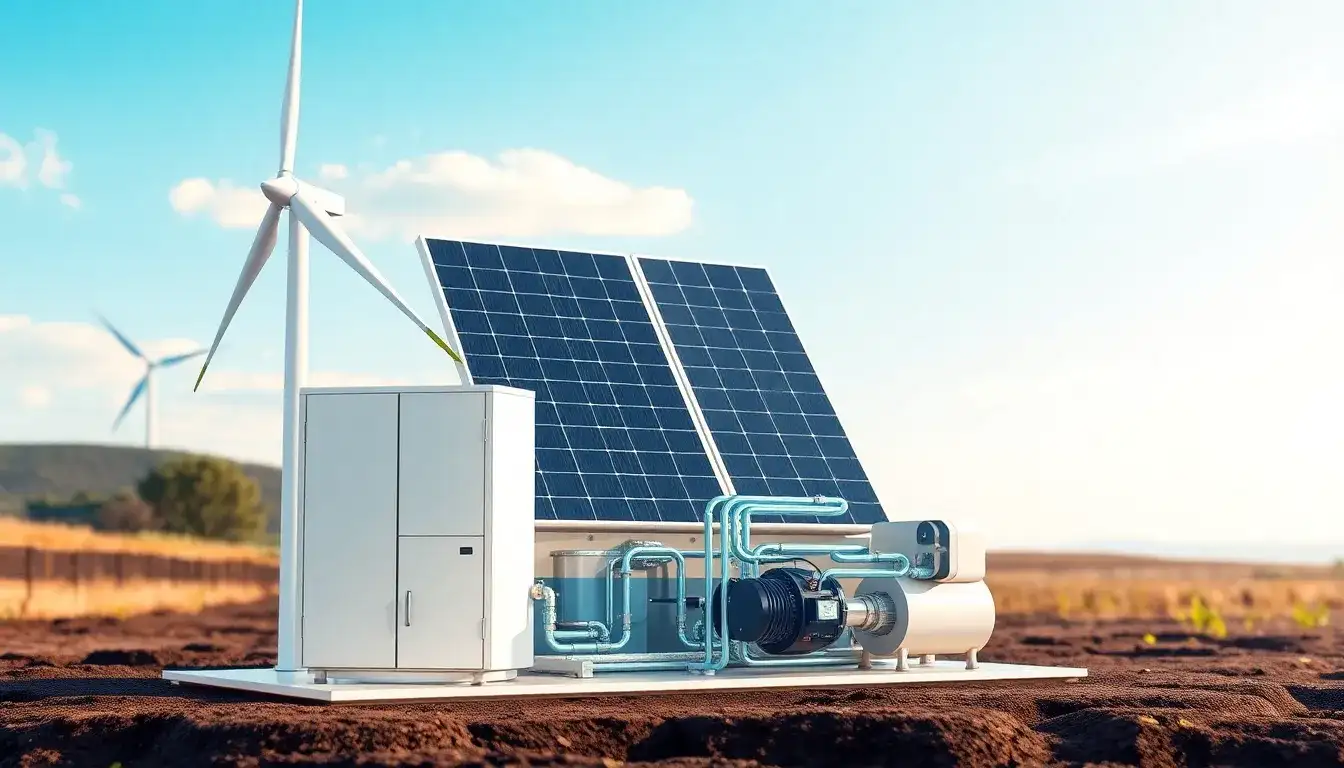
Integrated Wind-Solar Energy Storage Sandbox and Liquid Cooling Energy Storage System Model
Date: May 7, 2025
Source: Liuyang Southern Science and Technology Exhibition Model Company, Hunan
Materials Used in Model Construction
Geographical Terrain Materials: To accurately represent the geographical environment of wind and solar power plants, materials such as foam boards, gypsum powder, and paint are commonly used. Foam boards are easy to cut and shape, allowing for quick construction of mountain and plain terrains. Gypsum powder, when mixed with water and applied to the foam board surface, further refines the terrain, creating a solid and textured surface once dried. Paint is used to simulate different landforms, such as green for vegetation and brown for mountains, enhancing realism.
Wind and Solar Power Device Model Materials: The blades of the wind turbine model are typically made from lightweight plastic or carbon fiber to mimic the shape and light characteristics of real blades. The tower is often constructed from metal or plastic tubing to ensure structural strength. Solar panel models generally use acrylic or plastic sheets, printed or adhered with photovoltaic cell patterns to represent the appearance of solar power components. Additionally, thin metal sheets are used for supports and connectors to improve the model’s stability and realism.
Energy Storage System Model Materials: The energy storage battery module can use a plastic shell with internal materials such as foam or rubber that simulate the battery structure. Connecting wires are made from electrical or metal wires to ensure good conductivity. The outer frame of the energy storage system is constructed from aluminum alloy or steel, providing sturdy support.
Transmission and Control System Model Materials: Power transmission line models utilize wires or cables, insulated to mimic actual lines. Substation models are made from plastic, thin metal, and electronic components to create the shapes of transformers and switchgear, with electronic components simulating their operational states. The control system incorporates circuit boards, sensors, and microcontrollers to enable simulated control and data collection of the wind-solar storage system.
Display and Decoration Materials: To enhance the aesthetic and readability of the sandbox, acrylic is used to create display covers, protecting the internal structure while providing a clear view. Signage and explanatory texts are made from acrylic or plastic boards, using laser engraving or printing to present relevant information. Additionally, lighting equipment, such as LED strips and bulbs, illuminates the sandbox, highlighting key areas and operational states of the equipment.
Technical Analysis
System Integration Technology: The integrated wind-solar energy storage sandbox requires the organic integration of wind power, solar power, energy storage, and power transmission and control systems. Logical connections and physical models between each part simulate the collaborative operation of the entire system. For instance, sensors and controllers simulate the variations in power generation from wind turbines and solar panels under different light and wind conditions, efficiently distributing this energy to the storage system or the grid.
Energy Conversion and Storage Simulation Technology: This integrated wind-solar energy storage model employs 3D technology and miniature construction to accurately showcase the conversion process from wind and solar energy to electricity, along with the storage and release of electricity within the energy storage system.
Geographical Information and Layout Planning Technology: Utilizing Geographic Information System (GIS) technology, real geographical data is incorporated into the sandbox to rationally plan the layout of wind farms, solar power stations, and storage facilities. Factors such as terrain, sunlight resources, and wind energy distribution are considered to optimize the positioning and orientation of each component for the best display effect.
Visualization and Interaction Technology: Visualization and interaction technologies allow the sandbox to intuitively display the operational states and data of the system. An interactive interface enables visitors to touch, click, and query detailed information or switch between different scenes, enhancing engagement and experience.
Application Locations
Energy Company Exhibition Halls: Energy companies set up integrated wind-solar energy storage sandboxes in exhibition halls to showcase their comprehensive capabilities and project planning in the new energy sector to clients, partners, and investors. The sandbox demonstration vividly presents the company’s integrated solutions, including project layout, technological advantages, and operational models, enhancing corporate image and market competitiveness.
Research and Educational Institutions: In research institutions, the integrated wind-solar energy storage sandbox serves as a research tool for exploring new energy system integration schemes and optimization strategies. In education, it acts as an intuitive teaching aid, helping students understand the principles of complex wind-solar integration systems, energy conversion processes, and system operation management, thereby fostering practical skills and innovative thinking.
New Energy Exhibitions and Seminars: At various new energy exhibitions and seminars, the integrated wind-solar energy storage sandbox stands out as a highlight, attracting industry attention and promoting technical exchange and collaboration. Participating companies and institutions showcase the latest technological achievements and solutions through the sandbox, sharing experiences with peers and driving the development of the entire industry. For example, at international new energy exhibitions, companies from different countries display their innovative technologies and project cases through sandboxes, strengthening international cooperation and communication.
Liquid Cooling Energy Storage System Model Construction Materials
Energy Storage Battery Module Model Materials: The shell of the energy storage battery module model is typically made from plastic or metal to simulate the real appearance and structural strength of batteries. Internal battery units can use plastic or rubber blocks, with surface markings or labels indicating battery specifications. The metal connectors linking the battery modules are made of copper or aluminum to ensure good flatness and mechanical connection strength.
Liquid Cooling System Model Materials: The pipes of the liquid cooling system utilize transparent plastic tubing, such as PVC or acrylic, allowing observation of the simulated cooling liquid flow. The cooling liquid storage tank is made from plastic or metal, filled with a liquid simulating cooling fluid, such as blue or green water-based liquid. The liquid cooling pump combines plastic with a small motor to replicate the pump’s appearance and operational principle. The heat exchanger model uses metal fins and a plastic shell to represent the structure and function of heat dissipation.
Control System and Sensor Model Materials: The control system model is constructed with circuit boards, microcontrollers, and electronic components to simulate control over the liquid cooling system. Sensor models include temperature and pressure sensors, which connect to the control system via wires to transmit data in real-time.
Display and Signage Materials: To clearly demonstrate the structure and working principles of the liquid cooling energy storage system, acrylic boards are used to create display stands and signage. Display stands secure each component in place for a logical and organized layout. Signage features printed or engraved information on component names, functions, and operational workflows, facilitating visitor understanding. Colored stickers or labels are also employed to differentiate and identify various pipes, lines, and components.
Liuyang Southern Science and Technology Exhibition Model Company offers integrated services for teaching simulation training and corporate product exhibition design and manufacturing, covering everything from design, manufacturing, installation, and debugging to product delivery. The developed products include teaching demonstration models and simulation devices, science museum exhibits, and corporate product display models, providing high-quality products and services to thousands of educational institutions and enterprises nationwide. For more information about the integrated wind-solar energy storage sandbox model and simulation devices, please contact Liuyang Southern Science and Technology Exhibition Model Company.
Disclaimer: Content generated by AI. The above content (including images or videos, if applicable) is uploaded and published by users of the self-media platform “NetEase Hao,” which only provides information storage services.
Original article by NenPower, If reposted, please credit the source: https://nenpower.com/blog/integrated-wind-solar-energy-storage-model-with-liquid-cooling-system-principles-and-applications/

